
Why Your Waterproof Heater Actually Dies (And How We Fixed It)
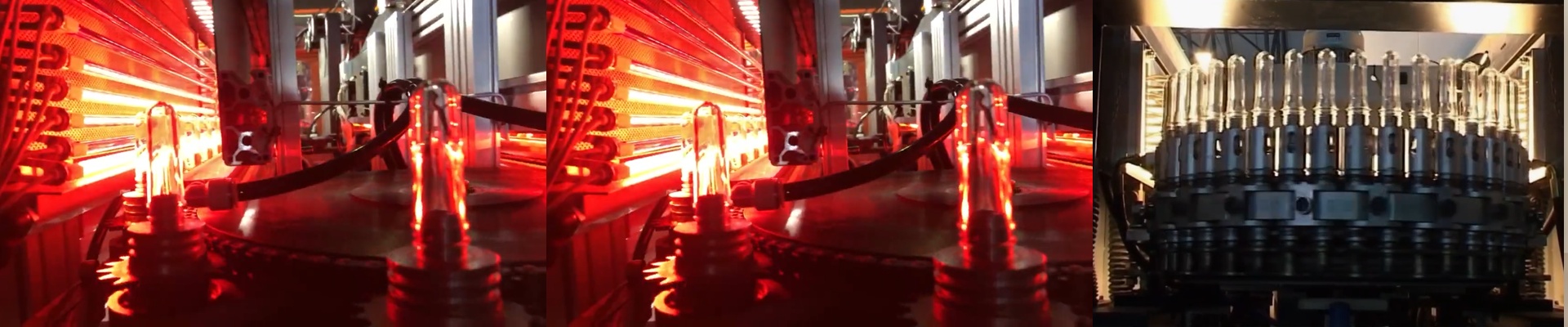
If you’ve ever put an infrared heater in a chicken coop or any damp spot, you know the drill. Everything seems fine for a while, and then—bam. It just stops working. Most people think the heating element burned out. But usually, it’s not the element at all. It’s the lead-in wire. Here’s the thing: the spot where the electrical wire meets the quartz tube is the weakest link. On cheap heaters, the sealant eventually cracks. We call it “aging,” but really, it’s just the seal giving up. Once those cracks open, moisture sneaks in, hits the electricity, and you’ve got a dead short. The battle against heat and cold Think about what these lamps go through. They go from room temperature to scorching hot, then back again, over and over. That constant expanding and shrinking puts a ton of stress on the seal. Standard glues just can’t take it; they get brittle and flake away like old paint. We use heavy-duty, OEM-grade compounds that move and stretch at the same rate as the quartz. It keeps the gap closed, even when things get roasting. It’s all in the details A lot of heaters are put together quickly, leaving tiny, microscopic gaps where the wire enters the tube. In a coop, that’s a disaster. Ammonia fumes and water vapor find those gaps and crawl right inside. Once that happens, you get arcing. We do things a bit differently. We use a multi-stage vacuum sealing process. We make sure the lead is perfectly centered and the sealant is cured under just the right amount of pressure. It stops that “aging” process in its tracks so the heater doesn’t burn out way before its time. One thing to keep in mind There is a trade-off. Because we use beefier sealing and waterproof jackets, the wiring is stiffer. You can’t just bend these cables at a sharp angle—if you do, you might actually crack the seal. When you’re setting up your mounting brackets, just give the wire a little room to curve naturally. At the end of the day, a fancy waterproof housing doesn’t mean much if the internal connection is rotting away. If you don’t get the sealing right, you’re basically just waiting for your breaker to trip.