

Why Your Bathroom Heater Keeps Dying (And How to Actually Fix It)
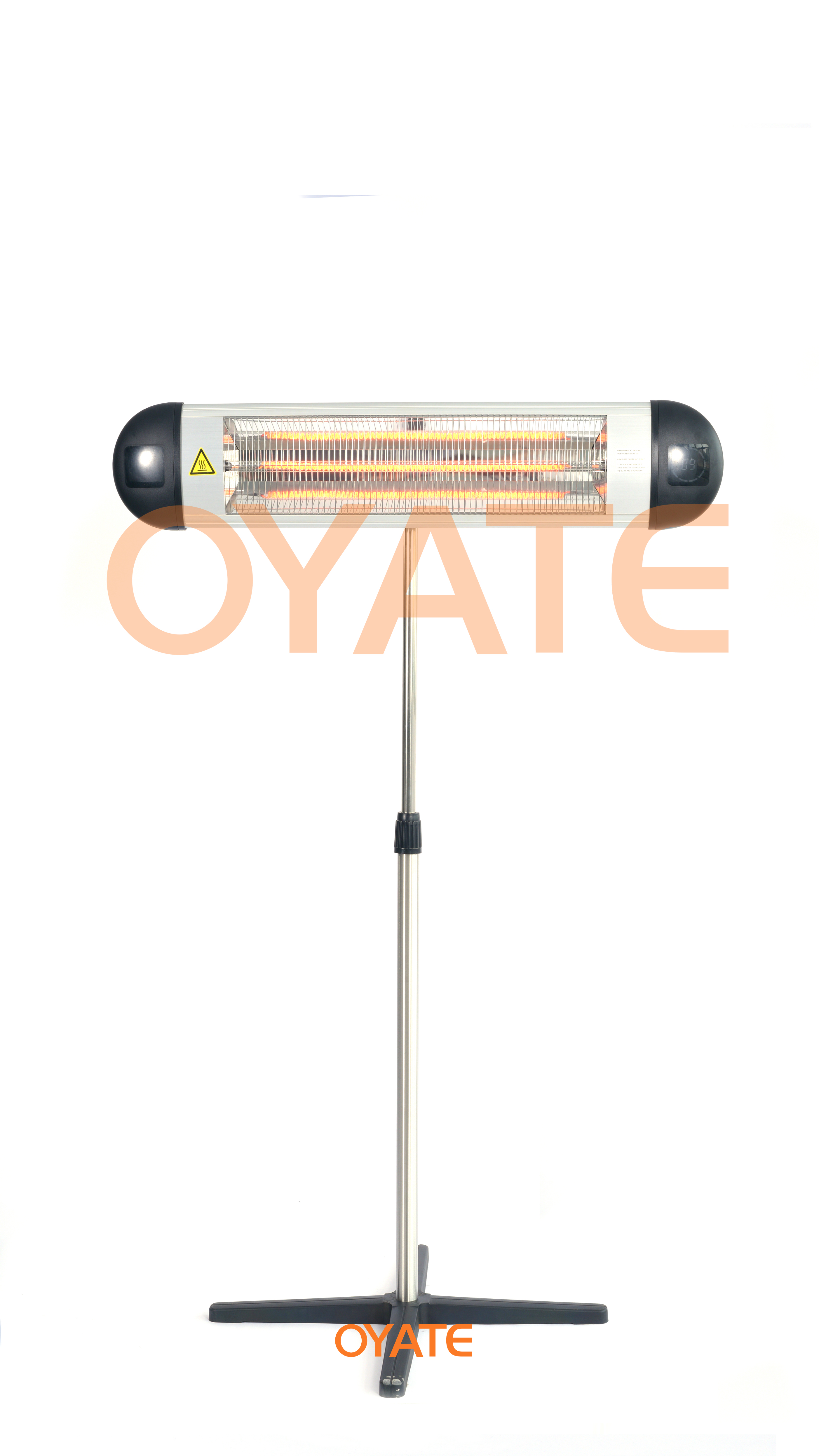
Ever noticed how those standard halogen “light heaters” seem to give up the ghost right when you need them most? It’s because they just aren’t built for the steam. If you’ve ever felt that sudden chill the second you step out of the shower, you know exactly what I’m talking about. Lately, there’s been a move toward high-standard waterproof infrared heaters. These aren’t just glorified heat lamps. They’re sealed systems designed to take a beating from humidity and the occasional stray splash without quitting on you.
The struggle with steam
Here’s the thing: traditional bathroom heaters use open-face quartz tubes. When a tiny drop of moisture hits that scorching hot glass, it causes “thermal shock.” The glass cracks, the element pops, and suddenly you’re shivering in a cold room. The waterproof infrared versions handle this differently. They tuck the heating element behind tempered glass or use special coatings to keep water vapor away from the electrical guts. And the best part? The heat feels different. Instead of trying to warm up all the air in the room—which usually just floats up to the ceiling—infrared waves go straight for your skin and the tiles. It’s a direct, cozy warmth. If you have a drafty bathroom, this is a lifesaver because you aren’t just paying to heat the wind.
The “Catch” with Installation
Now, it’s not as simple as just swapping out a lightbulb. These units have a bigger footprint and they’re thirsty for power. You’ll likely need a dedicated circuit so you don’t trip the breaker every time you want to feel warm. They pull a decent amount of current to make sure those cold tiles actually feel warm. You also have to be careful about where they go. Bathrooms have “zones.” A unit built for Zone 2 is great, but you can’t stick it in Zone 1 where it might get hit by a direct jet of water from the shower. It takes a bit more planning upfront, but it’s worth it.
Stop replacing bulbs, start building for the long haul
Old-school lamps are fragile. One drop of water and the filament is gone. Waterproof infrared systems use gaskets and sealed reflectors to keep the inside bone-dry. It changes the math entirely. Instead of replacing a bulb every few hundred hours, these elements can last for thousands. It’s the difference between buying a cheap flashlight that breaks every month and installing something that just works for years.