Stop Throwing Away Your Waterproof Heaters
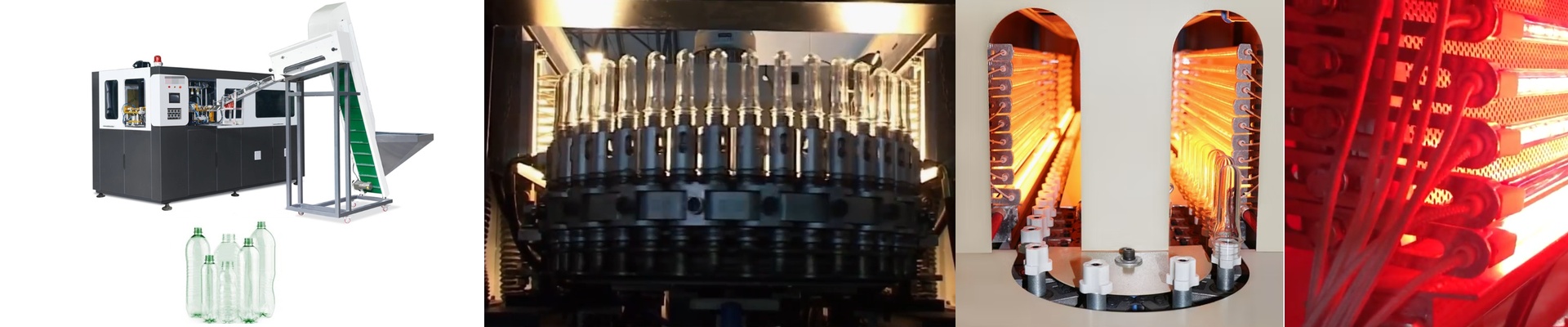
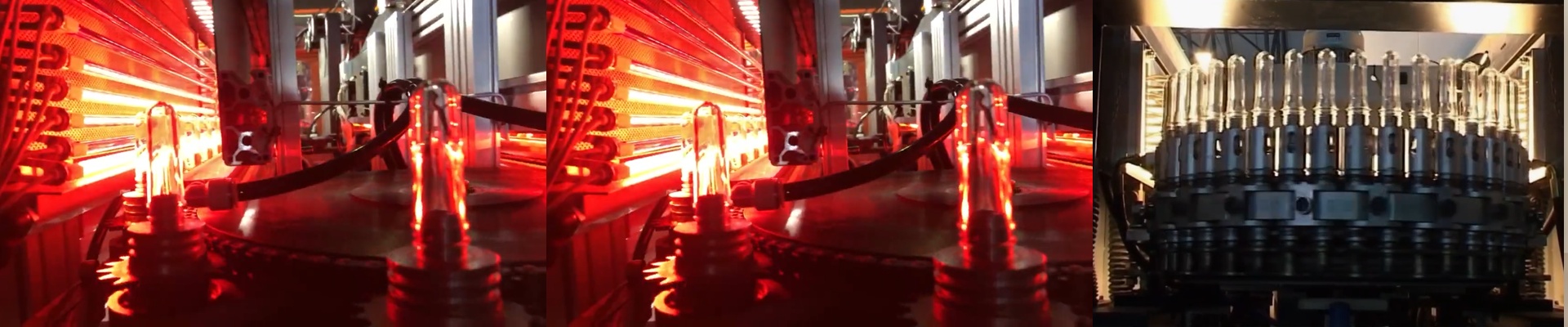
Most IP65 waterproof heaters are basically sealed boxes. Sure, that keeps the dust and water out, but it’s a total nightmare for the person on the shop floor. Imagine it’s five years down the road, a heating element burns out, and suddenly you’re staring at a giant, sealed monolith that you can’t get into. That’s exactly why we built our infrared units to be modular.
The “Plug-and-Play” Approach
We decided to stop welding the heating elements directly into the chassis. Instead, we went with a modular layout. Here’s why that matters: when a tube finally gives out after years of heating up and cooling down, you don’t have to scrap the whole expensive housing. You just pull the broken module and drop in a new one. It turns a grueling, hours-long teardown into a quick swap that takes a few minutes. It’s fast. Really fast. And it saves a lot of swearing on the factory floor.
Keeping it Dry Without the Glue
Usually, making something waterproof means using permanent gaskets or potting compounds—stuff that basically glues the machine shut. We did things differently. We use compression-fit seals and industrial connectors. You still get that IP65 protection for wash-down environments, but you can actually get inside the unit without needing a blowtorch or a power drill.
Keeping it Real
Now, look—no design is perfect. Because it’s modular, there are more connection points than you’d find in a hard-wired system. That means you have to be careful. You’ve got to hit your torque specs on the terminals, or you’ll end up with hot spots. And if you don’t seat the modules just right, you’re going to lose that waterproof seal. But for the engineers I talk to, uptime is everything. When a heater dies on a production line, you can’t afford to spend the afternoon rewiring a whole panel. You just need the line moving again. We made sure that when your five-year maintenance window hits, it feels like a routine chore rather than a full-blown system overhaul.