

Why Your Bathroom Heater Keeps Dying (And How to Actually Fix It)
Let’s be honest: those old-school bathroom lamp heaters are kind of a joke. They struggle with the steam, they take forever to kick in, and half the time they just stop working because they weren’t actually built for a room full of moisture. Lately, we’ve been moving away from those and switching people over to high-standard waterproof infrared heaters. It’s not about making the bathroom look fancy. It’s about the actual science of how you stay warm without risking an electrical fire.
The big difference: Air vs. You
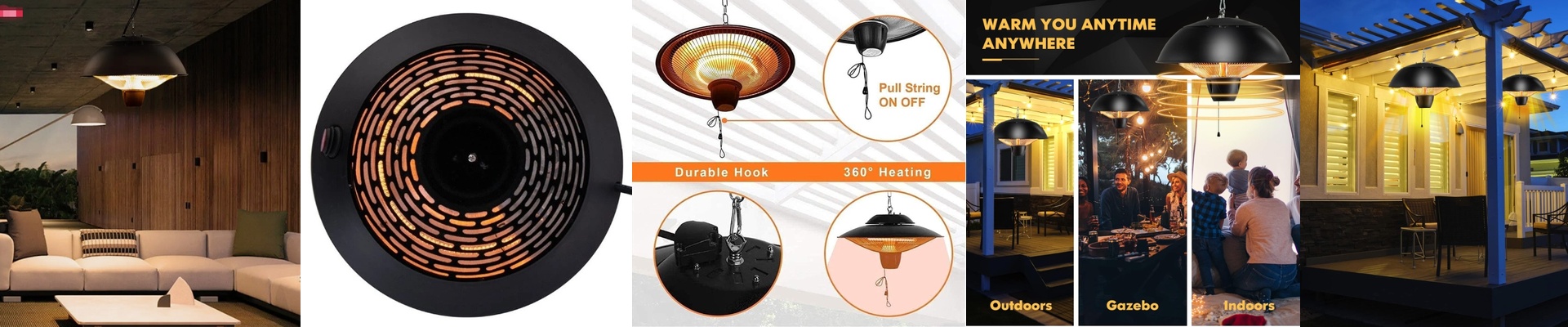
Most heaters try to warm up the air. But in a bathroom? That air just vanishes or cools down the second you open the door. Infrared is different. Instead of fighting the air, it sends out waves that hit you and the walls directly. You feel that warmth the second you flip the switch. No waiting around shivering in a towel while the room slowly catches up. But here is the catch: if you’re putting this in a shower area or a patio, you have to look at the IP rating. That’s the only number that really matters. A cheap heater will just corrode or short out the moment the steam hits it. We stick to IP65 or higher. That basically means the unit is sealed tight against dust and can handle a direct spray of water without blinking.
The nitty-gritty of the install
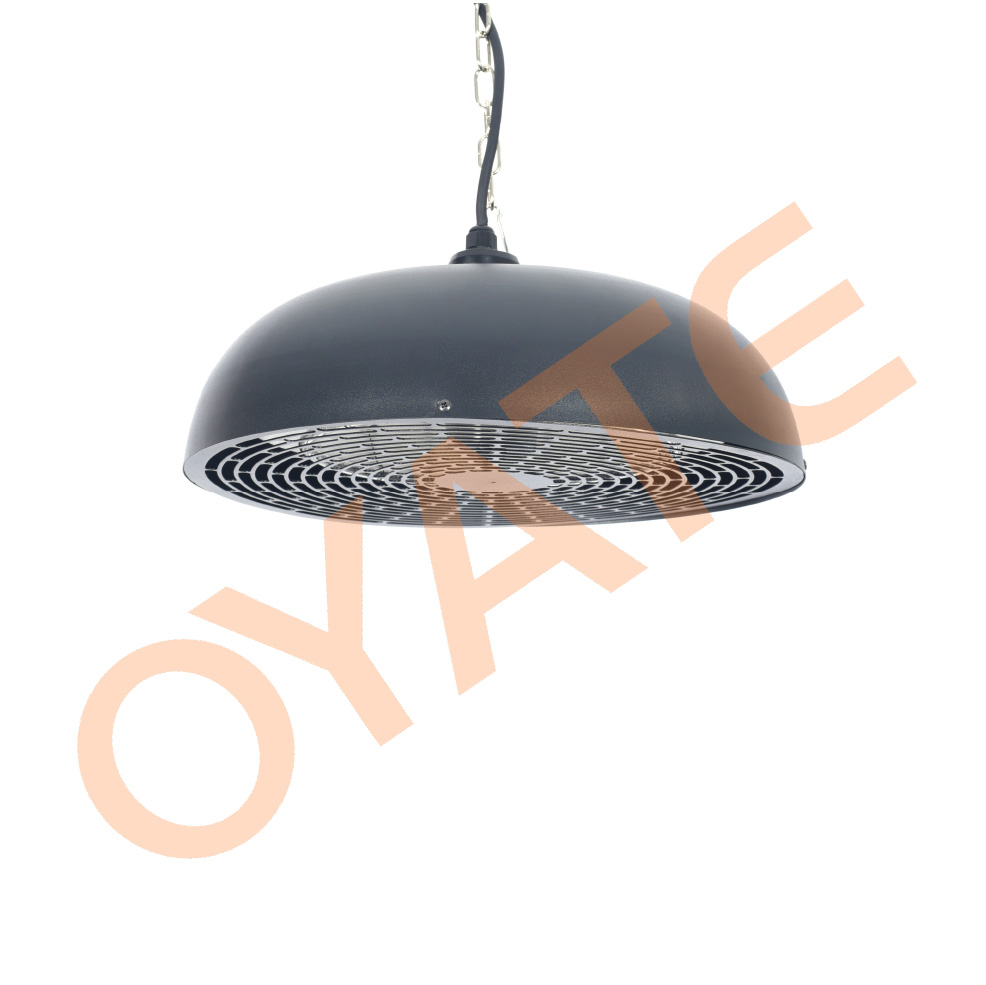
To keep the guts of the machine from frying, we use sealed quartz tubes and housings that don’t rust. The real danger, though, is the wiring. That’s where things usually go wrong. We use specialized gaskets and waterproof cable glands so moisture can’t sneak into the terminal block. It’s those little details that keep the thing running for years instead of months. One thing to watch out for: power. These infrared arrays pull a lot of current. If you’re putting one into an old house, your current wiring might not be up to the task. You’ll probably need to swap in a heavier gauge of wire so you aren’t overheating your lines behind the walls.
A few things to keep in mind
Infrared is fast, but it doesn’t “throw” heat very far. If you mount the heater too high or tuck it in a corner, you won’t feel much of anything. You have to place it exactly where you’re actually going to be standing. It’s more like a spotlight of heat than a general room heater. Get the placement right, and it’s a dream. Get it wrong, and you’re just heating up the ceiling.