
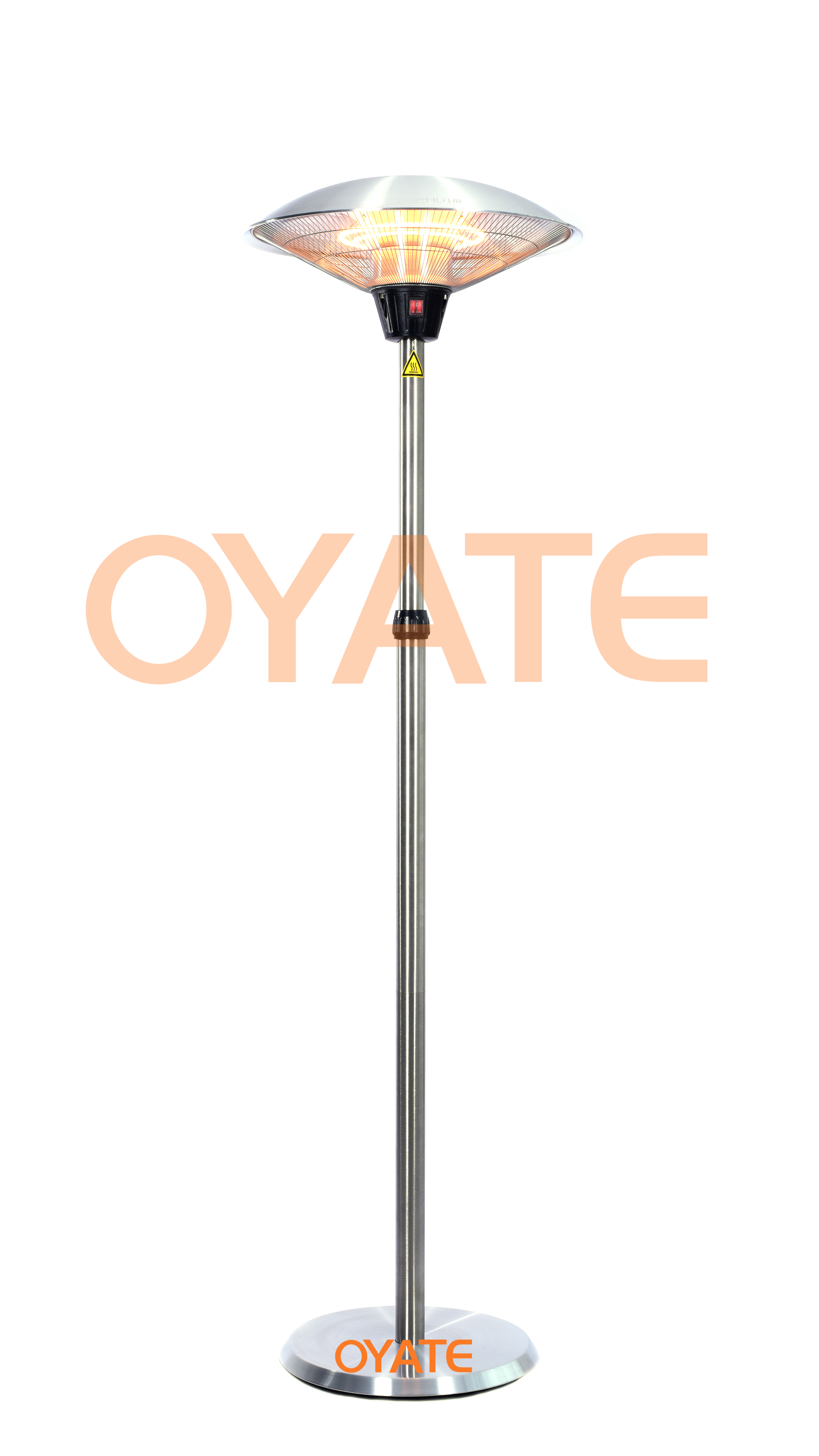
Stop Replacing Your Entire Heater Just Because One Tube Burned Out
Most waterproof heaters look great on a brochure. They’re shiny, they hit all the specs, and they work perfectly—until Year 5 hits. That’s usually when a heating element finally gives up. And if that element is hard-wired or sealed inside a permanent chassis, you’re stuck. You can’t just swap a part; you have to rip out the whole unit and buy a new one. It’s a waste of money and a massive headache. We decided to do things differently. We separated the waterproof shell from the actual heating module. Keeping the water out To get an IPX5 rating, the unit has to handle water jets hitting it from any angle. We use precision gaskets and sealed cable entries to make that happen. The tricky part is doing that without basically welding the heater into a permanent metal box. We found a way to keep the electronics bone-dry while still making the infrared module something you can actually get to. The “Drop-In” approach We treat our infrared modules like batteries. You don’t need a soldering iron or a degree in electrical engineering to fix them. Instead of a mess of wires, we use quick-connect terminals. When a tube hits its limit, you don’t have to tear down your whole production line. You just pop the access panel, unplug the old module, and slide in a fresh one. It turns a several-hour nightmare into a few minutes of work. The honest trade-off Now, look—nothing is perfect. A modular design means more connection points than a single welded piece. If a technician is rushing and doesn’t seat the module correctly, or if a gasket gets pinched during the swap, you lose that waterproof seal. It requires a bit of care. You have to make sure everything is tightened to spec, or the water will find a way in. Real-world impact We build these for shops where moisture is just a part of the day. By thinking about what happens in Year 5, we’ve made it so you don’t need a toolkit full of specialized gear to keep things moving. Grab a basic wrench, slide in a spare module, and get your line running again. Simple as that.