Keeping Your Pergola Warm Without the Headache
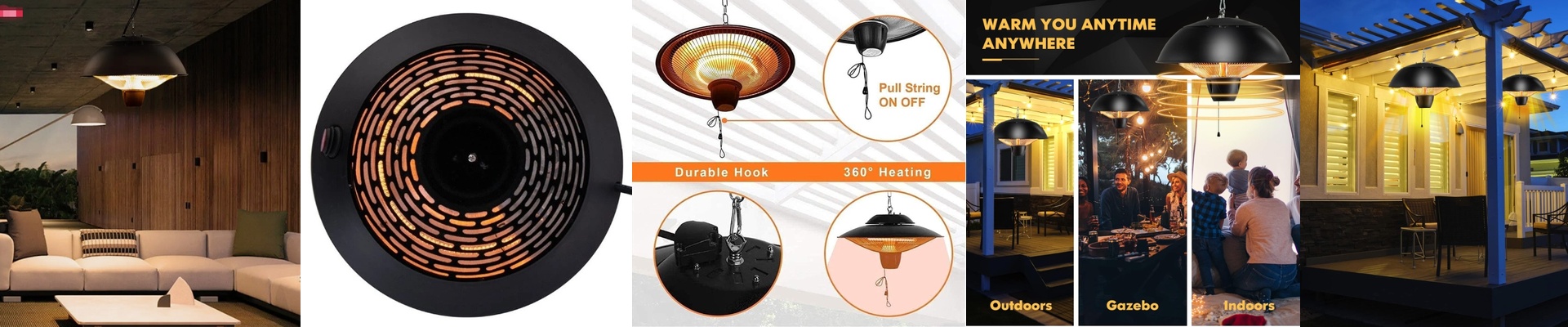
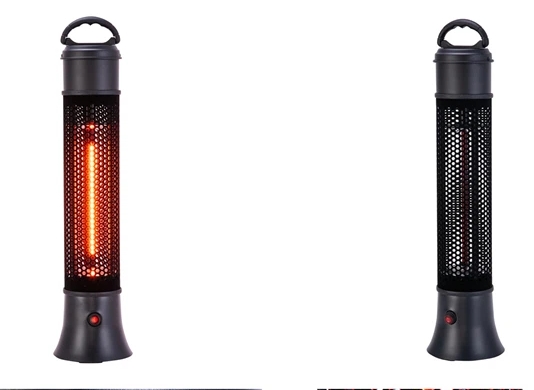
Here is the basic problem with outdoor heating: air is slippery. If you try to heat the air under a pergola, a light breeze just carries all that warmth away, leaving you shivering. That’s why we use short-wave infrared. Instead of fighting the wind, it beams heat directly onto you and your guests. It feels like stepping into a patch of sunlight on a cold day. Instant. Making it “Smart” Nobody wants to go hunting for a clunky switch in the dark. We’ve figured out a way to link the heaters to a smart home hub using Zigbee or Matter. This means you can just tell your voice assistant to turn on the heat, or tap a button on your phone while you’re still inside. But we didn’t just slap a smart switch on it. We added a bit of logic to the power flow so the heaters ramp up smoothly. It keeps your breakers from tripping the second you turn everything on. Built for the Elements The outdoors can be brutal. Rain, humidity, and grime tend to eat electronics for breakfast. To stop that, we use IP65-rated housings. In plain English? Everything is sealed tight against dust and water jets. We also use quartz tubes with a special coating, so the elements don’t corrode the hardware over time. It just works, regardless of the weather. The Boring (But Important) Electrical Stuff Here is where things can get tricky. These lamps pull a lot of power. If you put four 1500W heaters on one circuit, you’re hitting 6000W. If your wiring is too thin, you’ll get a voltage drop, and your heaters will feel lukewarm instead of toasty. We make sure the cabling and breakers are beefy enough to handle the load. We also use heat-resistant brackets. You don’t want your beautiful pergola warping because the mounting hardware got too hot. Once it’s all wired up and synced, you’re set. You can go from a freezing winter night to a cozy spring evening in a few seconds. No waiting for the air to warm up—just pure, direct heat.