Stop Burning the Outside and Leaving the Inside Raw
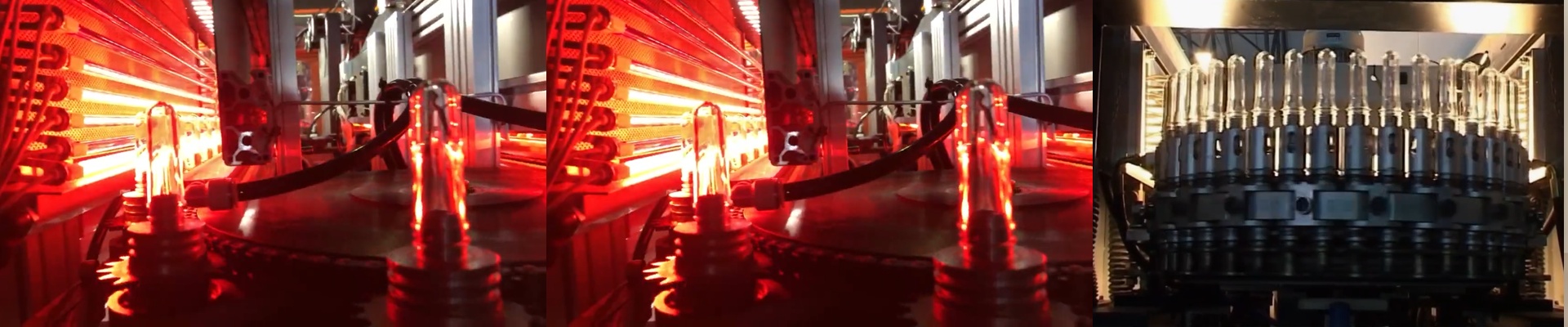
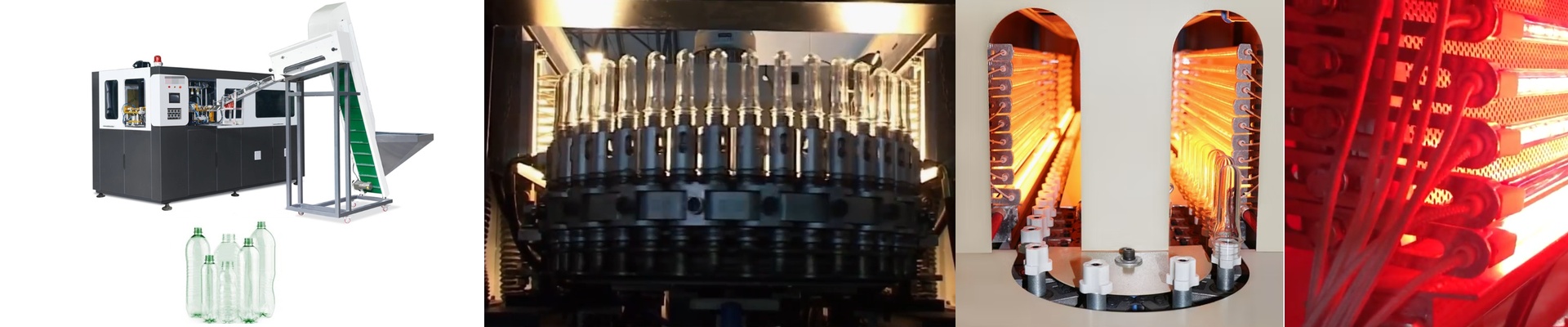
Anyone who’s dealt with thick-cut meats knows the struggle. You crank up the heat, the outside looks perfect (or worse, it’s charred), but you cut into it and the center is basically raw. It’s frustrating. We found a better way to handle this using shortwave infrared (IR) quartz tubes. Instead of just heating the air or the oil and hoping for the best, these tubes send radiation straight into the protein fibers. It hits the core and the surface at the same time. It just works. Here’s the thing about the physics: traditional heaters warm the air, and then you have to wait for that heat to slowly crawl into the meat. IR skips the middleman. It transfers energy directly to the food. We pair this with PID controllers so you can tweak the wattage on the fly. No more guessing. No more “burnt crust, raw center” disasters on your production line. But you can’t just throw these in and forget about them. There are some trade-offs. We use high-purity quartz because it can take a beating from extreme temperature swings. The filaments are built for speed, too. Your fryer hits operating temperature in seconds. Not minutes. Seconds. But watch your power density. These tubes put out a massive amount of heat, which means your wiring and connectors are going to feel the strain. And if your cooling fans aren’t up to the task, you’re going to burn out your filaments way faster than you’d like. For the engineers looking to actually install this: these are designed to slide right into your existing heater banks. The best part? Your oil lasts longer. Since you aren’t overheating the oil just to force heat into the meat, the oil doesn’t break down nearly as fast. You get a smaller machine footprint and a much tighter temperature window. One quick tip: make sure your sensors are reading the actual surface of the food, not just the oil bath. If you do that, your control loop stays accurate and your product stays consistent.