Stop the Bathroom Mold Struggle with Infrared Heat
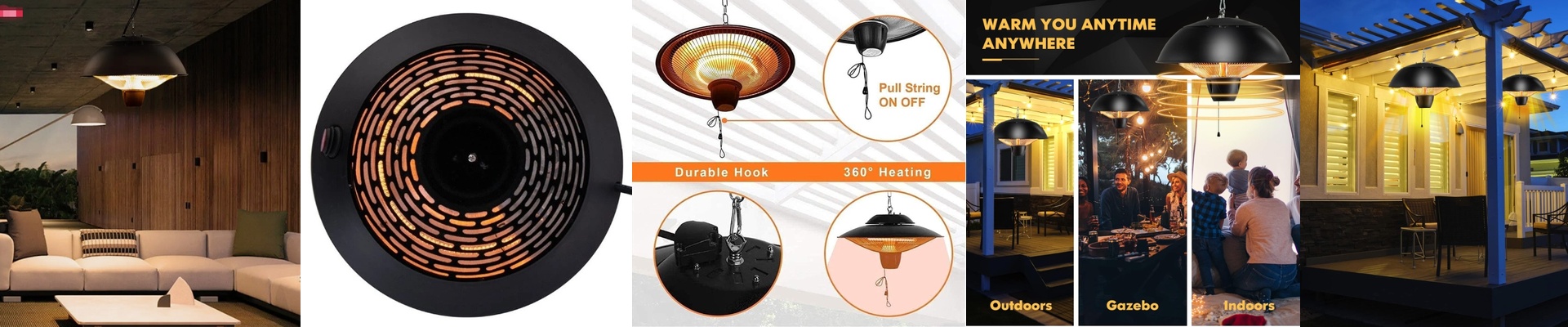
Most of us think of those bathroom heat lamps as just a way to keep from shivering when we step out of the shower. But if you look at how they actually work, they’re doing something way cooler than just warming up the air.
It’s all about the surfaces
Standard heaters just blow warm air around. The problem? The air gets warm, but your walls and floors stay cold and damp. Infrared is different. It doesn’t care about the air; it goes straight for the surfaces. It hits your tiles and grout directly, which forces the water to evaporate much faster. Instead of waiting for a draft to dry the room, you’re basically pushing the moisture out of the walls.
Beating the mold game
Mold loves two things: dampness and still air. You know those annoying corners where the exhaust fan just doesn’t reach? That’s where the mold starts. Since infrared radiation doesn’t need to “blow” anywhere to work, it hits those dead-air spots easily. By keeping the surfaces warm and dry, you take away the environment mold needs to grow. It’s a much easier way to keep your grout looking clean without scrubbing your life away.
A few things to watch out for
Of course, you can’t just slap these anywhere. Since they’re going in a steamy bathroom, make sure you’re using units with the right waterproof ratings. You don’t want your circuitry frying the first time you take a hot shower. One big warning: these things gethot. Really hot. If you mount them too close to plastic trim or cheap PVC, you might actually warp or melt the materials. Give them plenty of breathing room. And a quick tip for the electrical side: put these on their own dedicated circuit. They pull a lot of power when they first kick on, and if you’ve already got a hairdryer and a fancy light fixture on the same line, you’re probably going to trip your breaker.