Introduction
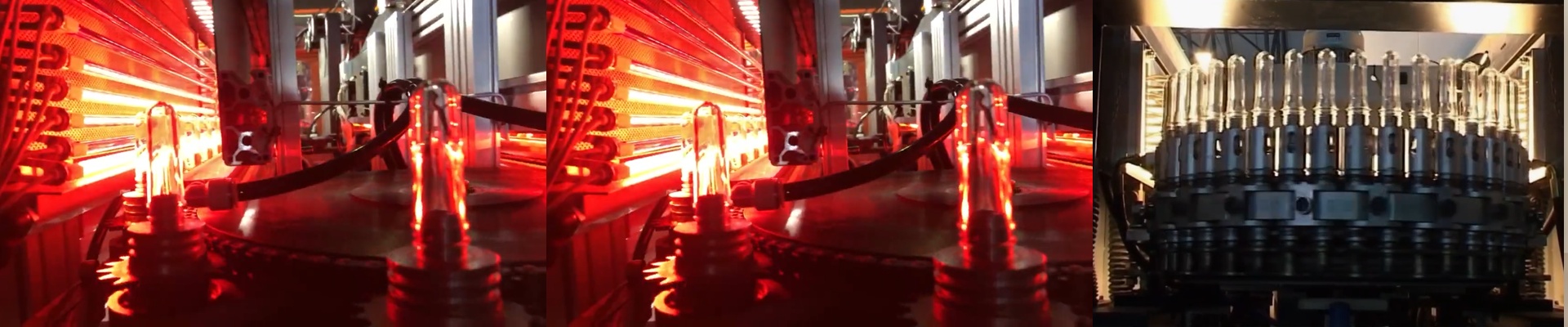
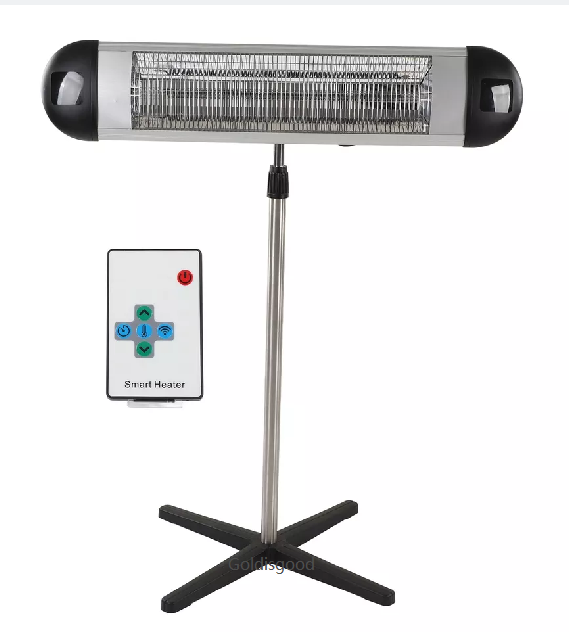
We built our top-selling infrared heater for the places that chew up standard lamps—harsh, industrial spots where moisture and condensation are just part of the day. The whole point? Keep the heating element bone-dry and rock-stable, so you get steady heat without the burn-out that comes way too soon.
The Real-World Specs
This is an IP65-rated infrared heater, made for the jobs where water, steam, or dust never really go away. IP65 means the housing keeps dust out completely and shrugs off low-pressure water jets from any direction. Inside, it runs on standard industrial voltage and packs a ton of heat into a small footprint. That’s the beauty of it—fast, focused warmth. But that kind of power also means the sealing has to be bulletproof, because the moment moisture gets in at high heat, you’re looking at early failure.
How It Stays Tough
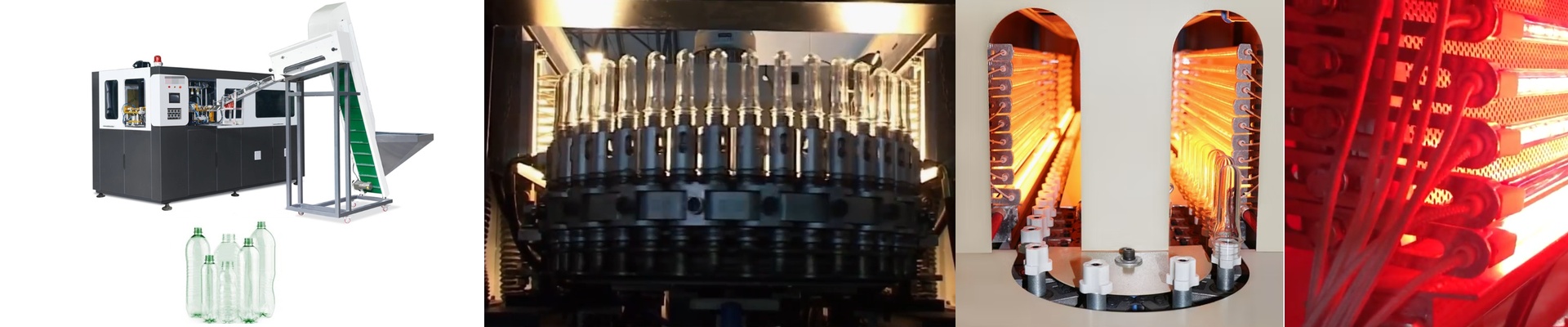
It all starts with the front cover and the seal where everything meets. We built a sealed optical path so condensation can’t settle directly on the heating element. The quartz tube is halogen-filled, which keeps the filament stable and helps reduce blackening over time. The materials and coating are chosen to handle thermal shock, so output stays consistent even as the tube cycles on and off. Installation is straightforward, too. We match the connector to your setup—whether that’s an R7s base or another industrial connector—so wiring is quick and reliable. The idea is a true drop-in replacement that stays sealed even when vibration and thermal expansion happen. Not the kind that starts leaking after a few shifts.
Where It Shines (And What To Watch)
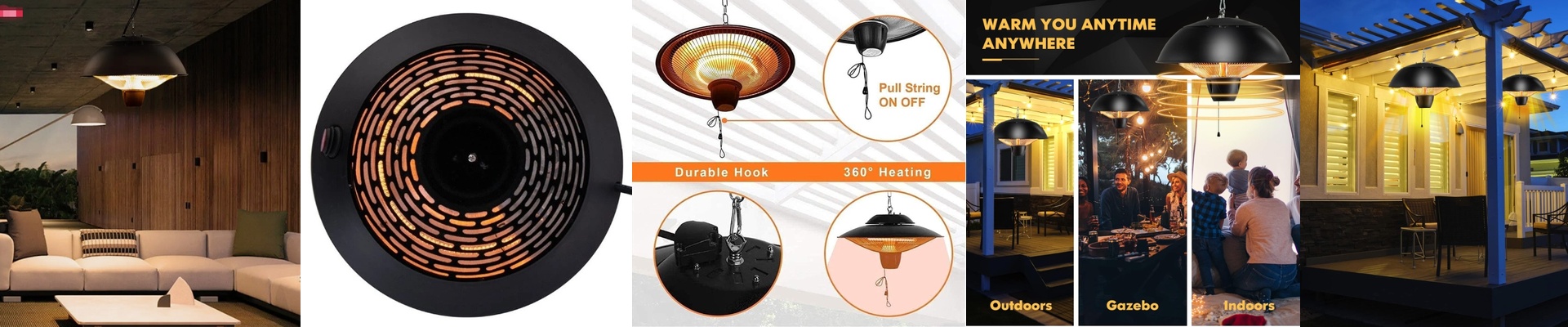
This setup is made for wet or humid areas—think washdown zones, enclosed heating booths, and equipment shelters where ambient moisture would fog a normal lamp and kill it fast. Because the element stays dry, output stays steady and maintenance drops off. Now, the trade-off: high heat density means the surrounding fixture and wiring need to handle the temperature. Make sure your mounting and cooling are set up properly, or the lamp will run hotter than the nearby components can take.