Stop Fighting Your SIPA Oven: Getting Your Heat Back in Sync
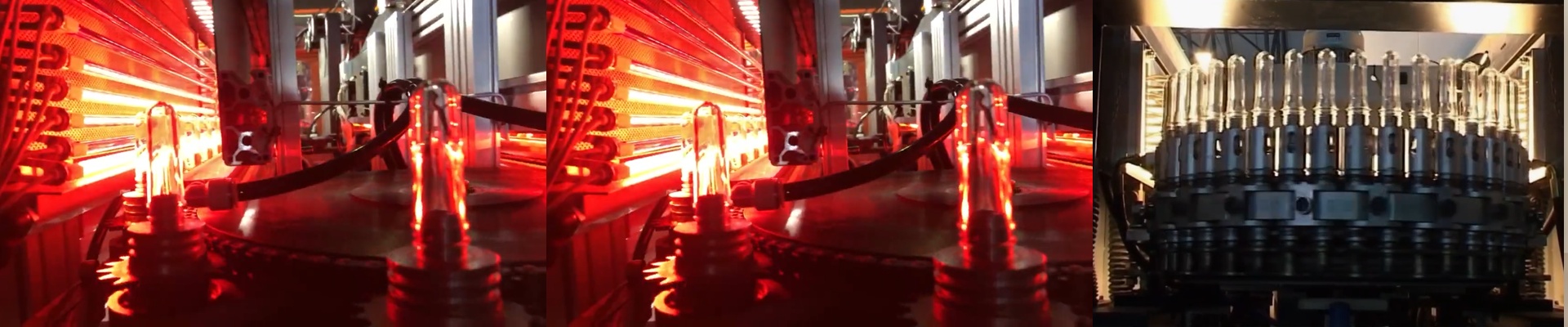
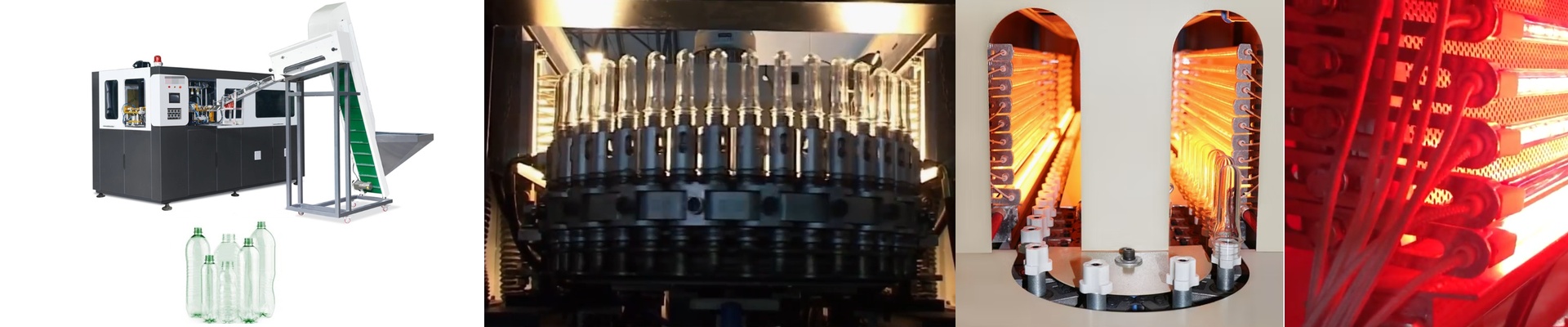
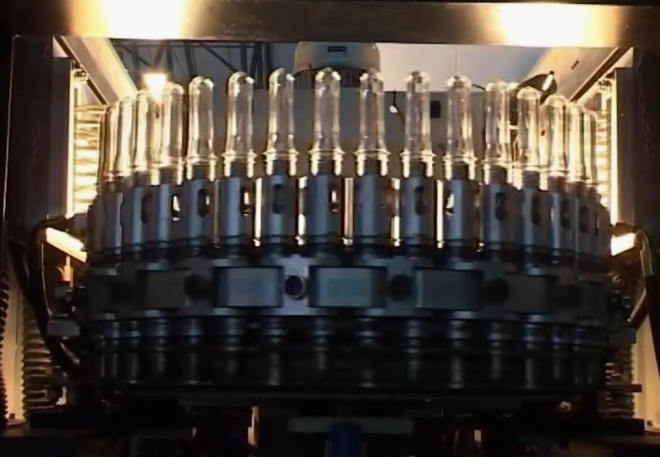
If you’re running a SIPA rotary blow molder, you know the drill. You need that heat to be perfectly even. If it’s not, your PET preforms start acting up—walls get too thin in some spots, too thick in others. It’s a headache. A lot of people try to save a few bucks by throwing in generic replacement lamps when one burns out. Here’s the problem: generic isn’t actually generic. Even a tiny 5% difference in wattage can create “hot spots” or cold zones. Suddenly, your preforms aren’t uniform, and you’re chasing your tail trying to fix it. We do things differently. We build our lamps to hit SIPA’s original factory specs exactly. No guessing. The nitty-gritty on power It all comes down to the relationship between voltage, wattage, and the length of the tube. If you have a lamp meant for 230V/1500W, it has to pump out that exact amount of energy across every single inch of the glass. If the resistance is off, the lamp just won’t get up to temperature fast enough while the machine is rotating. That creates a “wobble” in the heat. And that wobble? That’s where you get pearlescence or, worse, bursting bottles. We calibrate our filaments so the first lamp in the oven behaves exactly like the last one. Hardware that just works We use high-purity quartz with special coatings. Why? Because we want the heat to actually sink into the PET wall, not just scorch the surface. And don’t worry about the install. We use standard R7s or Sk15 connectors. They just slide right in. No rewiring, no modifying your sockets, no swearing at the machine for three hours. It’s a simple swap. A quick heads-up on speed Now, if you’re running high-speed lines, you’re probably using high-wattage shortwave lamps. They pack a punch, which is great for cycle times, but they put a lot of pressure on your cooling blowers. If you’re pushing the power to go faster, keep an eye on your oven ventilation. If that hot air doesn’t move out, it can start cooking your electronics. When your power is matched 100%, your PID controllers can finally stop fighting the hardware. The process stabilizes, the stress goes down, and you stop throwing away wasted plastic.