Why You Actually Need Precise Heat in a Quartz Pizza Oven
Most people struggle when they first start baking pizza because they can’t quite nail the heat. It’s frustrating. You pull a pie out and the crust is charred black, but the dough in the middle? Still raw. That usually happens because the temperature is swinging all over the place. In a quartz oven, we use these special heating tubes that blast direct infrared radiation. If your temp jumps or drops by even 10 or 20 degrees, your dinner is basically ruined.
How Quartz Actually Works
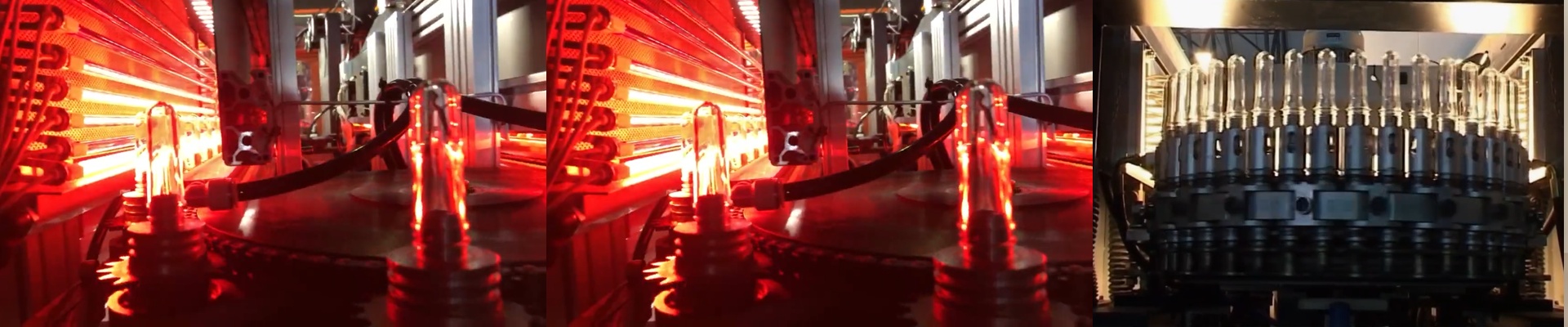
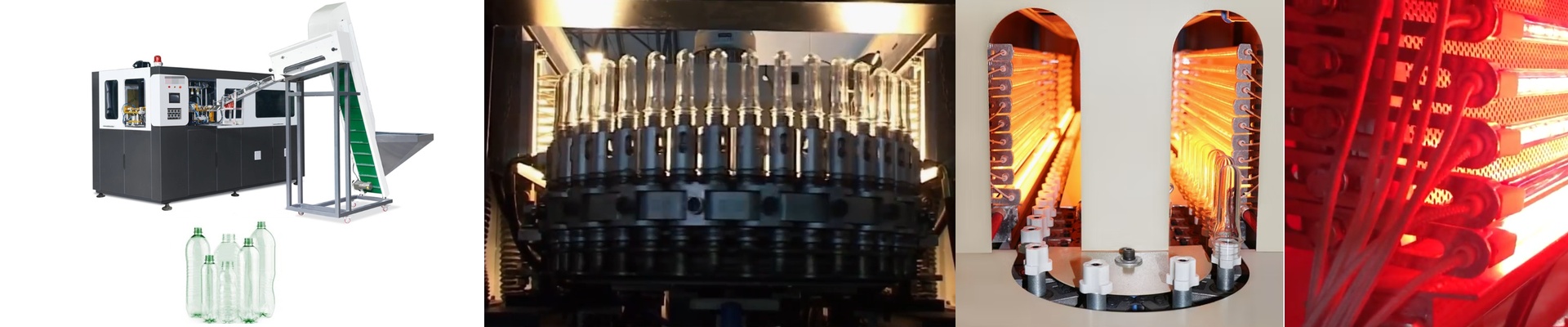
Think of these tubes as high-purity glass wrapped around a tungsten filament. The magic here is that the heat doesn’t have to warm up the air first. It just hits the dough instantly. It’s fast. Really fast. Because the heat is so direct, you get a much better “oven spring”—that’s that beautiful, airy puff in the crust that makes a pizza feel professional.
Keeping Things Steady
Now, having a thermostat is one thing, but how fast the oven reacts is what actually matters. Quartz tubes don’t hold onto heat like a heavy brick; they heat up and cool down in a snap. We pair them with a PID controller to keep the temperature window tight. This stops the “overshoot”—that annoying spike in heat that burns the top of your toppings before the bottom is even crisp.
The Trade-offs (The Messy Part)
Of course, this much power comes with some headaches. These tubes put out a massive amount of heat, which is great for searing, but it’s brutal on the sockets. If you try to wire these up without using high-temp ceramics, your sockets will literally melt. And you have to be careful. These tubes are glass. One clumsy bump while you’re cleaning the oven and snap—there goes your heating element. We build our systems to take the guesswork out of the process. We make sure the heat is spread evenly across the stone so you aren’t playing a guessing game with every pizza. You just set the temp, trust the tubes, and focus on the toppings.