Stop Overpaying for Your Bakery’s Heat
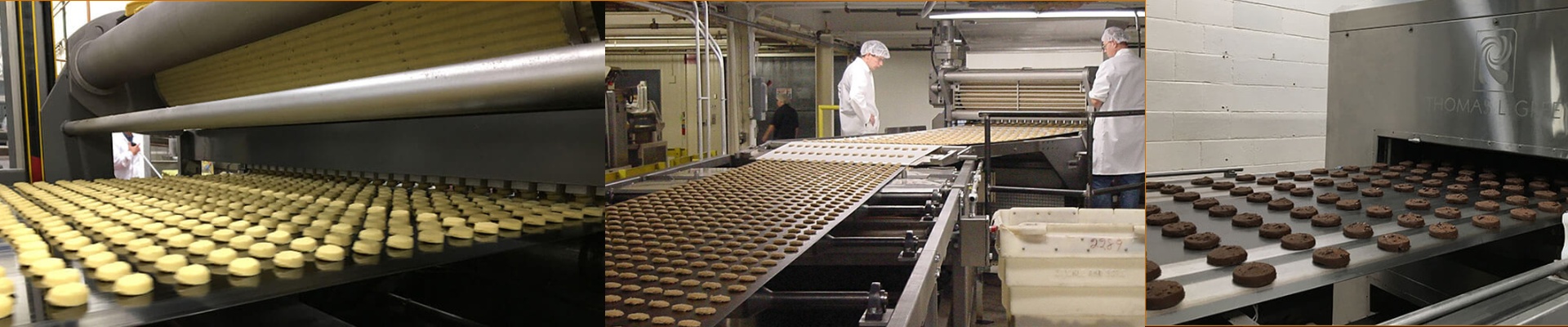
If you’re running a chain of bakeries, you know the headache. You want to push out more bread, faster, but the cost of high-end gear is a gut punch. It feels like you’re always choosing between spending a fortune on equipment or watching your throughput crawl. That’s where medium-wave infrared (MWIR) comes in. Think of it this way: standard convection ovens just move hot air around. It’s slow. MWIR is different. It beams energy straight into the dough. No waiting around for the air to heat up, which means your pre-heat times vanish and your power bill actually starts to look reasonable. Why medium-wave? Here’s the thing about heat. Short-wave heaters are too aggressive. They blast the surface, leaving you with a burnt crust and a center that’s basically raw dough. Not great. Medium-wave is the sweet spot. It sinks deeper into the bread, hitting the water and fats exactly where they need it. You can actually keep the oven temperature lower and still get that perfect bake in the same amount of time. The nuts and bolts We use high-purity quartz for our tubes. Why? Because baking involves a lot of rapid heating and cooling. Cheap glass cracks under that kind of stress. These don’t. We also make sure they fit right into your existing setup with standard connectors. It’s a simple swap. And by dialing in the exact wattage you need per centimeter, you aren’t paying for power you’ll never actually use. Getting it right without breaking the bank Saving money doesn’t mean buying junk that dies in a month. It’s about picking the right tool for the job. A croissant needs a different touch than a sourdough loaf. But a word of caution: watch your heat soak. Because MWIR is so intense, you can’t just cram tubes into a tiny box and hope for the best. If there’s no airflow, you’ll fry your control boards. We handle this by spacing the lamps just right. You get all that IR speed, but you don’t have to buy a massive industrial cooling system to keep the thing from melting. It just works.