
Stop Waiting on Your Drying Cycle
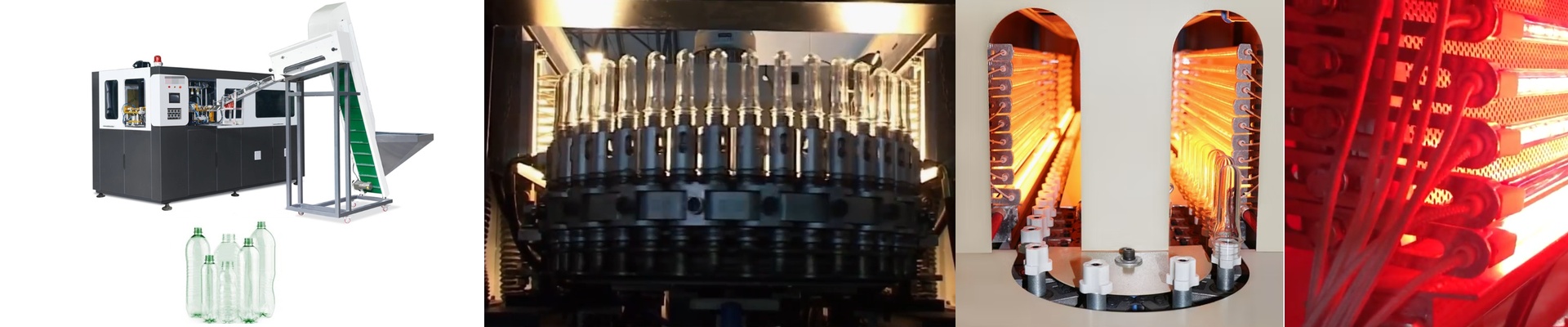
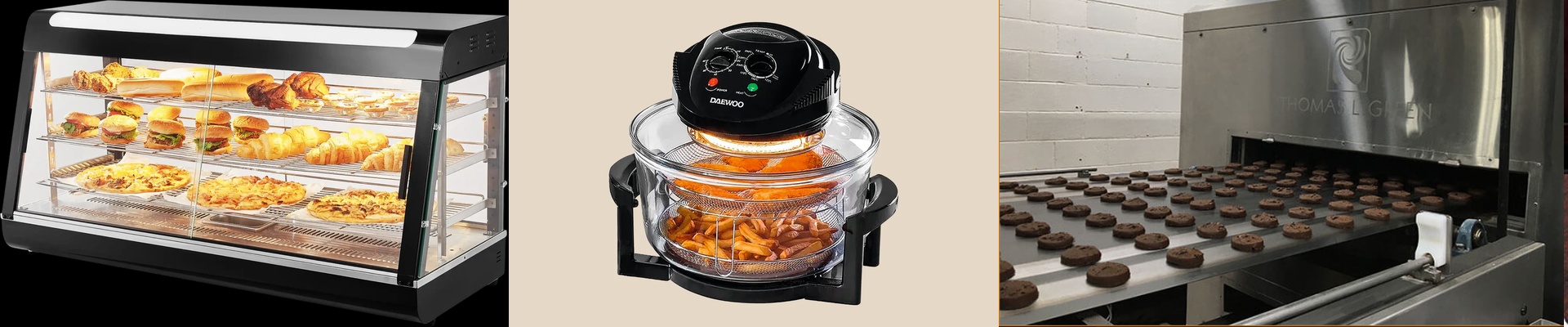
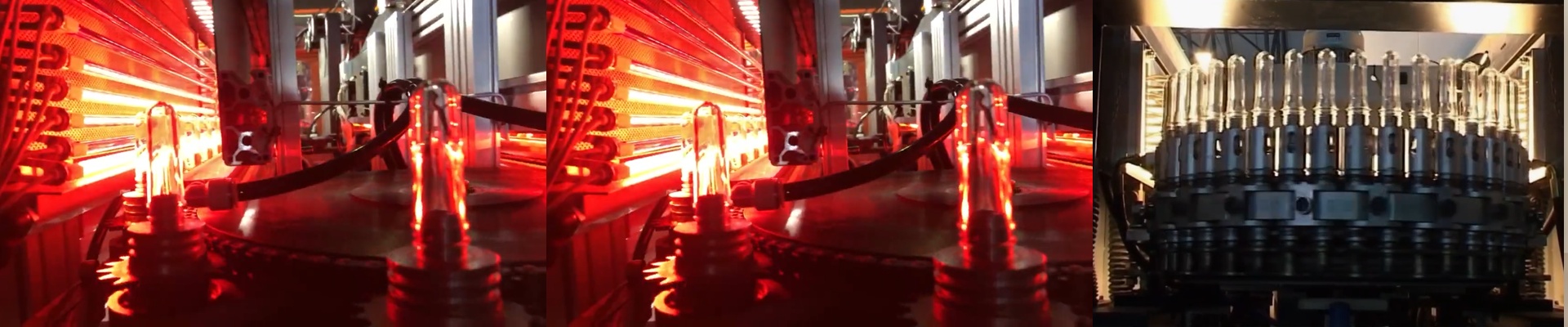
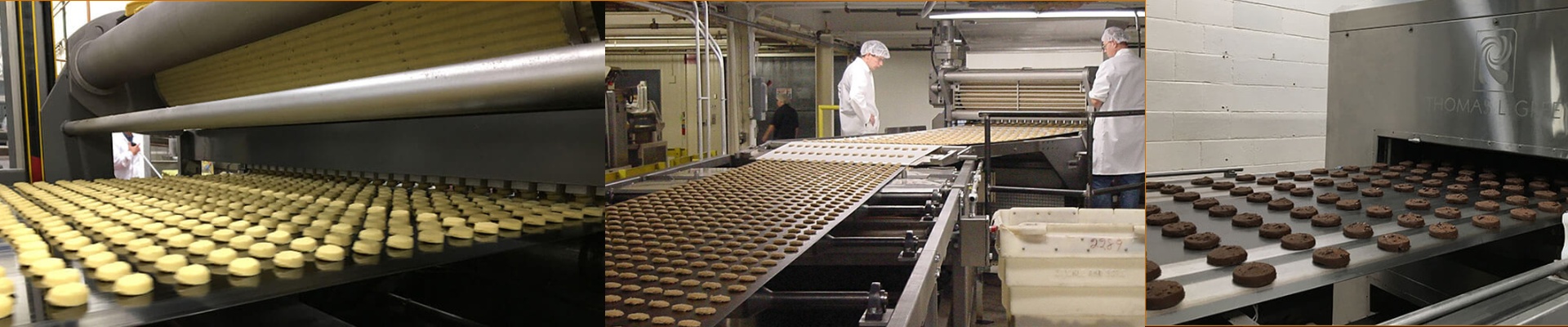
We’ve all been there. Your production line is humming along, but then everything hits a wall at the drying phase. If you’re relying on standard convection heat, you’re basically just heating up the air and hoping for the best. It’s slow. It’s frustrating. And it kills your momentum. That’s why we use infrared (IR) heating lamps. Instead of messing around with the air, IR sends energy straight into the product surface. It’s a total shift in how things work. You go from waiting minutes for things to warm up to getting results in seconds. The nitty-gritty on heat The real magic depends on your wattage and voltage. For the heavy-duty stuff, we lean toward higher power densities. The goal is to get that heat to soak into the material fast. If you’re running a 400V system, you’ve got a big advantage. You can cram more power into a shorter tube without blowing a fuse or overloading your circuits. This means your machine stays compact, but you still get the raw thermal punch needed to dry your substrates on the fly. Quartz and quick reactions We build these elements with high-purity quartz glass. Why? Because it can take a beating. Rapid cycling creates massive thermal shock, and quartz is the only thing that won’t just crack under the pressure. We mostly use R7s or Sk15 connectors, so they just snap right in. If a lamp burns out, you just swap it for a new one and keep moving. And we stick with shortwave IR. It’s nearly instant. You flip the switch, and boom—the heat is there. No lagging, no waiting for the equipment to “catch up.” The trade-offs (because nothing is perfect) Here’s the thing: that speed comes with a price. High-wattage lamps get incredibly hot, and they do it in a very concentrated spot. If your cooling fans aren’t up to the task, you’re going to have a bad time. You could end up warping your conveyor belt or melting your housing. You have to find that sweet spot between how close the lamp is to the product and how fast the belt is moving. If you get it wrong, you’ll scorch your product. One last tip: use high-temp leads for the wiring. If you don’t, the insulation will melt, and then you’ve got a much bigger problem on your hands.