Stop Burning the Outside While the Middle Stays Raw
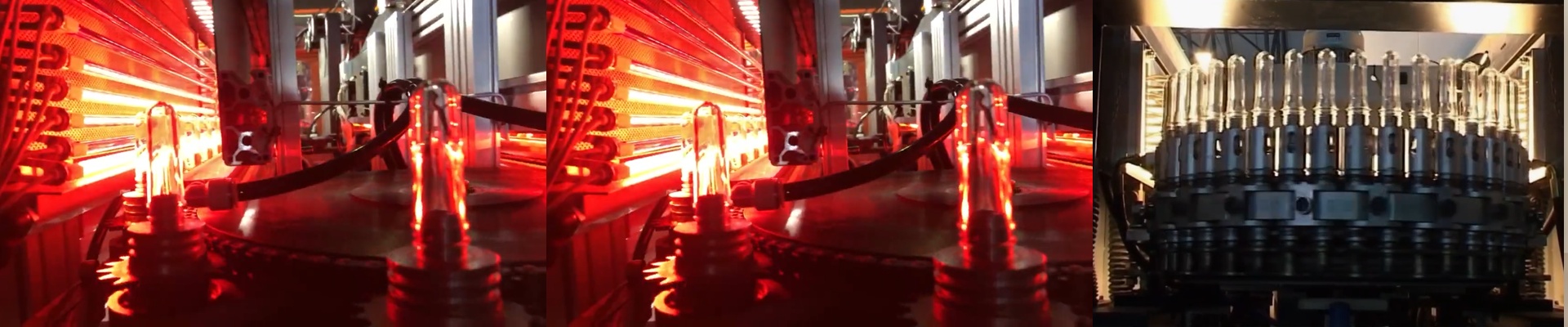
Anyone who’s worked with a deck oven knows the struggle. You’re cooking a thick piece of meat, and by the time the center actually hits the right temperature, the outside is basically charcoal. It’s frustrating. We figured out a way to fix this using twin quartz infrared (IR) heaters. Here’s the secret: standard convection just blows hot air around. IR radiation is different. It actually sinks into the protein, hitting the moisture and fats deep inside. It’s like a shortcut to the core.
How the Heat Actually Works
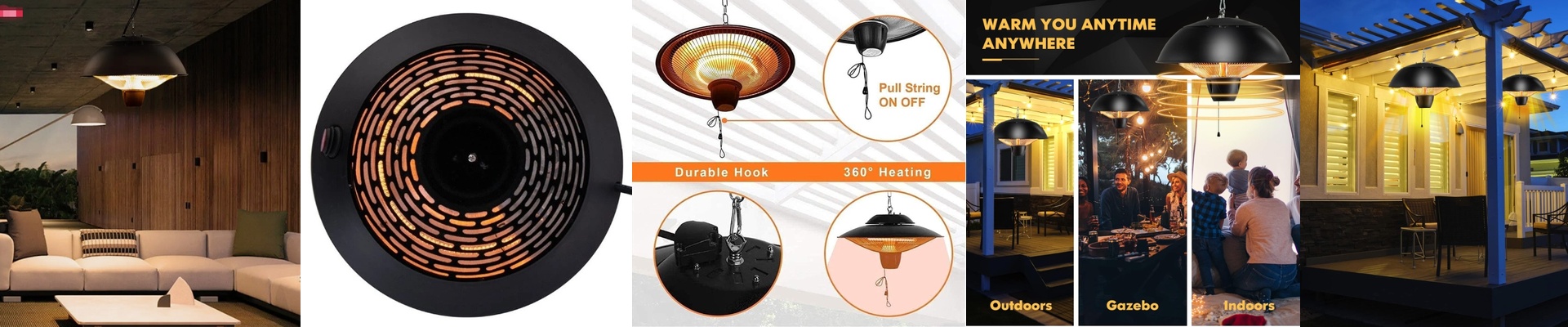
We use twin-filament quartz tubes to really ramp up the energy. Instead of waiting for heat to slowly crawl from the surface to the center—which is how most ovens work—these shortwave rays get the water molecules inside the meat moving immediately. The result? The meat heats up much faster, but you don’t end up with a dry, leathery crust on the outside. It just works.
No More Guessing Games
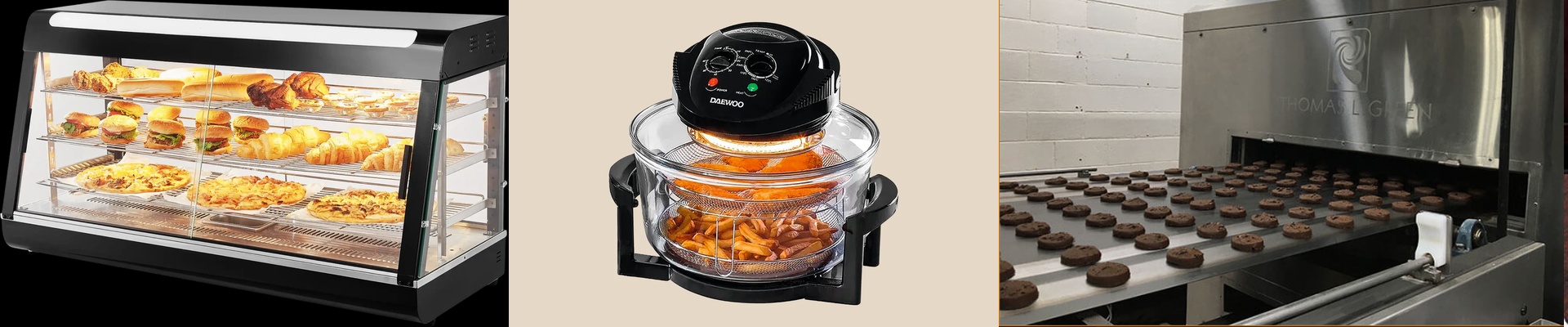
Fast heat is great, but it’s a nightmare if you can’t stop it the moment the meat is done. That’s why we paired these heaters with high-precision PID controllers. Most heating elements are like big old radiators; they stay hot long after you turn them off. Quartz isn’t like that. It reacts almost instantly. The second your sensor says “done,” the power drops, and the cooking stops. You don’t have to worry about that annoying “carry-over” cooking that usually turns a perfect medium-rare into a well-done disappointment.
The Catch (Because there’s always one)
Look, this kind of power requires a bit more attention to the build. High-density IR arrays pull a lot of juice. If your wiring isn’t spec’d to handle that initial surge of current, you’re going to have problems. Plus, these things get hot—really hot. You need solid ventilation in the oven chassis, or you’ll risk melting the insulation on your wires over time. It takes a bit more effort on the electrical side, but for the speed and precision you get? It’s a trade-off I’d make every single time.