Stop Guessing Your Crust: Why Halogen Elements Actually Work
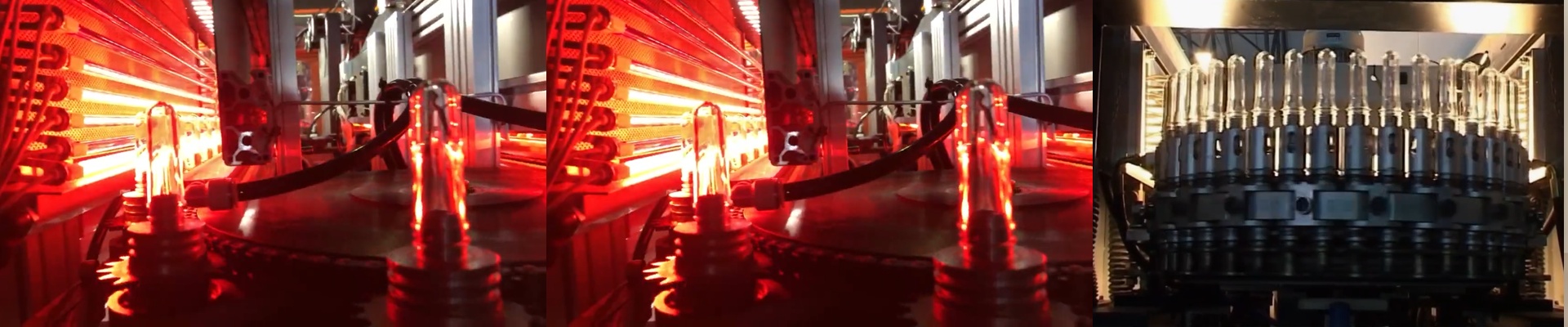
If you’ve ever pulled a loaf out of the oven only to find a burnt crust and a raw, doughy center, you know the frustration. Most beginners hit this wall because standard heating elements are just too slow. They lag. By the time the oven realizes it’s too hot, the damage is already done. That’s why we use high-power halogen bulbs in our deck ovens. Instead of waiting for a metal coil to glow and warm up the air, these lamps blast shortwave infrared radiation. It hits the dough instantly. It’s fast. Really fast. And that changes everything.
The problem with “Heavy” Heat
Think of traditional heating rods like a big freight train. They take a long time to get up to speed, and once they’re moving, they’re incredibly hard to stop. If your oven overshoots the temperature, you’re stuck with that extra heat. You can’t just “undo” it. Halogen elements are more like a light switch. They hit full power in milliseconds. The second the controller cuts the power, the heat stops. This tight loop is the secret to stopping those annoying 10-20 degree swings that ruin a perfect bake.
The nitty-gritty on the hardware
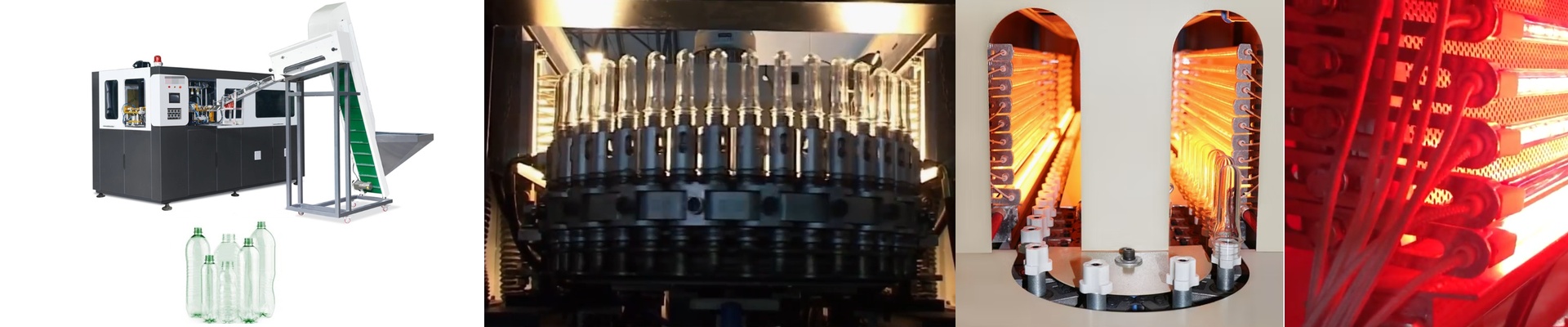
We use bulbs with high wattage density, usually with R7s or SK15 connectors. Why? Because ovens vibrate, and you need a connection that isn’t going to wiggle loose when things get hot. The quartz glass is also built to take a beating from extreme temperature shifts without cracking. But a word of warning: watch your wiring. These tubes pull a lot of current. If you use cheap relays that aren’t rated for the load, they’ll weld shut, and then you’ve got a real problem. We always stick with solid-state relays (SSRs) and plenty of heat sinking. It’s the only way to handle the rapid-fire switching needed for precise control.
The trade-off
Here’s the thing: when you pack this much energy into such a small space, you get amazing localized heat, but you have to be careful. Shortwave IR is intense. If the bulb is too close to your bread, you’ll scorch the surface before the inside is even warm. It’s a balancing act between where the lamp sits and how often it pulses. And don’t just crank the wattage and walk away. If you don’t have the airflow dialed in, you risk melting a socket or stressing the oven’s insulation.Keep an eye on it, find the sweet spot, and you’ll get that perfect crust every single time.