Stop Losing Customers to the Cold
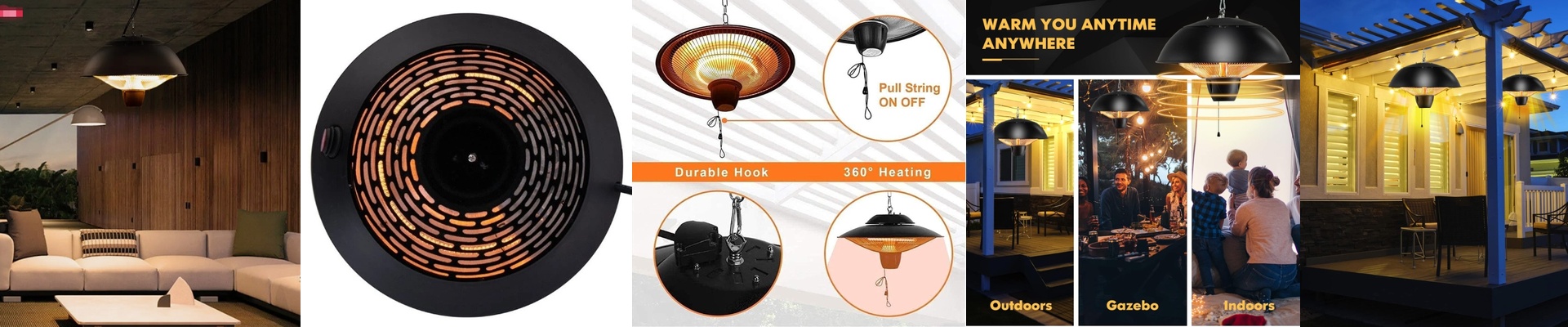
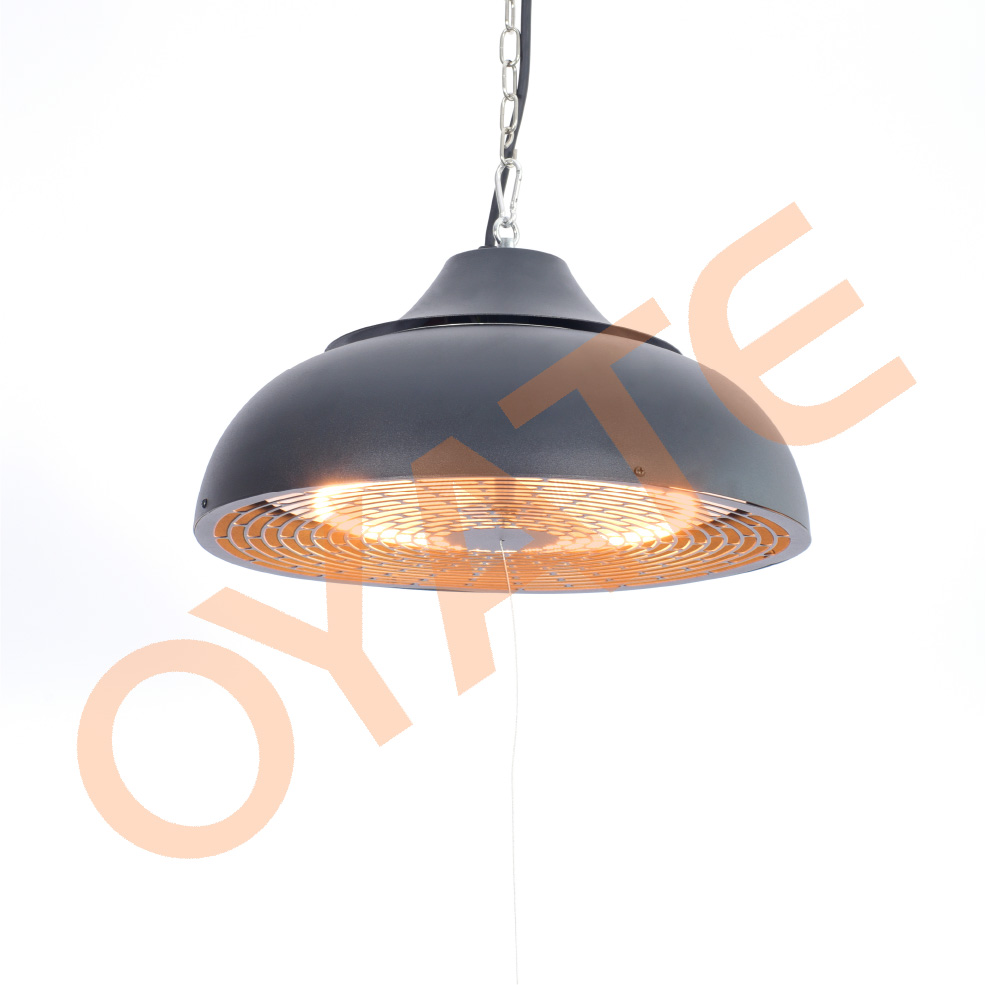
Let’s be honest: outdoor patios are a nightmare to manage once the temperature drops. Most restaurants try using those standard convection heaters, but they’re basically useless in the open air. The heat just floats away the second a breeze hits, and your guests are left shivering. That’s where shortwave infrared comes in. Instead of trying to warm up the entire outdoors (which is impossible), these heaters beam energy directly onto your customers and their chairs. It’s like sitting in the sun on a crisp October day. Dealing with high ceilings If your ceiling is higher than 10 feet, you’ve got a problem. Heat naturally fades the further it has to travel. To fix this, we use high-wattage emitters with a tight, concentrated beam. We make sure the power is strong enough at the source so that by the time the heat hits your guest’s shoulders, it’s actually warm. No more “guessing” if the heater is working. Why shortwave actually works You’ll hear a lot about “longwave” heaters, but for an open patio, they just don’t cut it. Wind pushes longwave heat around, leaving your guests cold. Shortwave radiation is different. It cuts right through the draft. Plus, because we use quartz glass, there’s no waiting around for the unit to “warm up.” You flip the switch, and it’s instant. The bottom line (and the electrical headache) Here is the reality: when people are warm, they stay longer. And when they stay longer, they order that extra round of drinks or a dessert they weren’t planning on. It’s a simple way to keep your revenue from dipping in the winter. But, a word of caution. These arrays pull a lot of power. If your electrical panel is already struggling, you’re going to trip a breaker right in the middle of a dinner rush. You might need to upgrade your breakers first. A pro tip? Zone your heaters. That way, if half the patio is empty, you can kill the power to those sections and save some money. Keeping the space open We designed these to mount on the wall or ceiling. It keeps the floor clear, which means your servers aren’t tripping over cords or bulky equipment while carrying trays. Just make sure your brackets are heavy-duty. Those quartz assemblies have some weight to them, and you don’t want your heater sagging toward the guests over time.