Why You Need Explosion-Proof Quartz in Your Wet Zones
Let’s be honest: putting heaters in bathrooms or out in the garden is a bit of a gamble. You’ve got electricity and water hanging out in the same space. Not a great combo. If you use a standard quartz tube, you’re asking for trouble. Imagine a single drop of water hitting a surface that’s 600°C.**Pop.**The glass shatters instantly. It’s called thermal shock, and it’s a nightmare.
The Secret to the Glass
That’s why we use explosion-proof quartz. It’s not about making the glass “tougher” in a way that it can withstand a hammer; it’s about how it handles a sudden temperature crash. If the tube does happen to crack, there’s a protective film or a secondary layer inside. This stops the filament from sparking and keeps glass shards from flying across the room. Instead of a scary electrical fire or a trip to the ER, you just have a part that needs replacing.
Keeping Things Dry
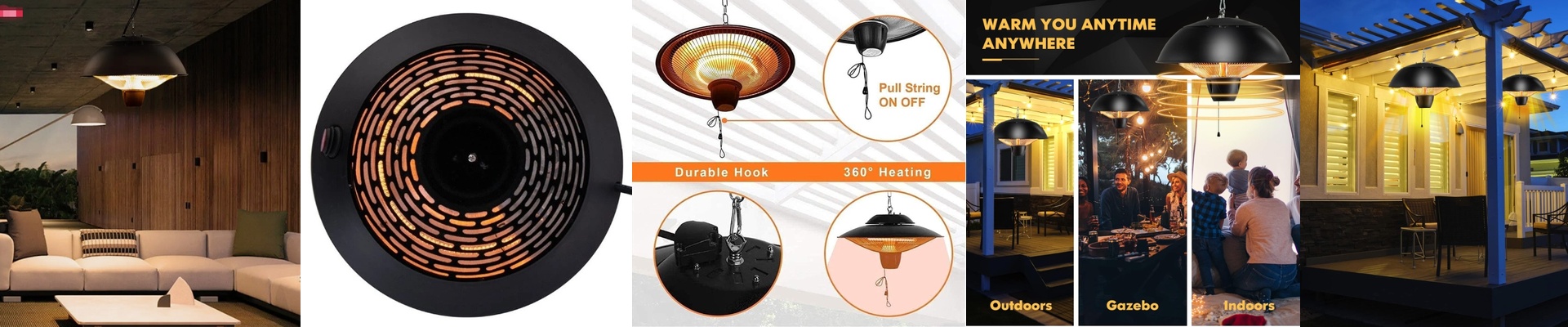
You’ll see “IP65” on the housing, which basically means the box is sealed tight against dust and water jets. But the tube is always the weak link. To fix this, we pair these tubes with high-wattage filaments. The goal is to get the heat so intense that water evaporates the second it touches the surface. No pooling, no problems. Just a heads-up: check your circuit breaker. If you crank up the wattage but keep your old, thin wiring, you’ll be walking to the breaker box every time you want to get warm.
What to Expect During Install
The good news is that these are simple drop-in replacements. You plug them into the same terminals you’re already using, but you get a much bigger safety net. One small thing to keep in mind: those protective coatings can slightly change how the heat hits you. You might notice a tiny dip in raw heat compared to a completely clear tube. It’s a small trade-off. I’d take a slightly cooler shower over an exploding lamp any day.