Getting that Perfect Crust with 110V IR Heating
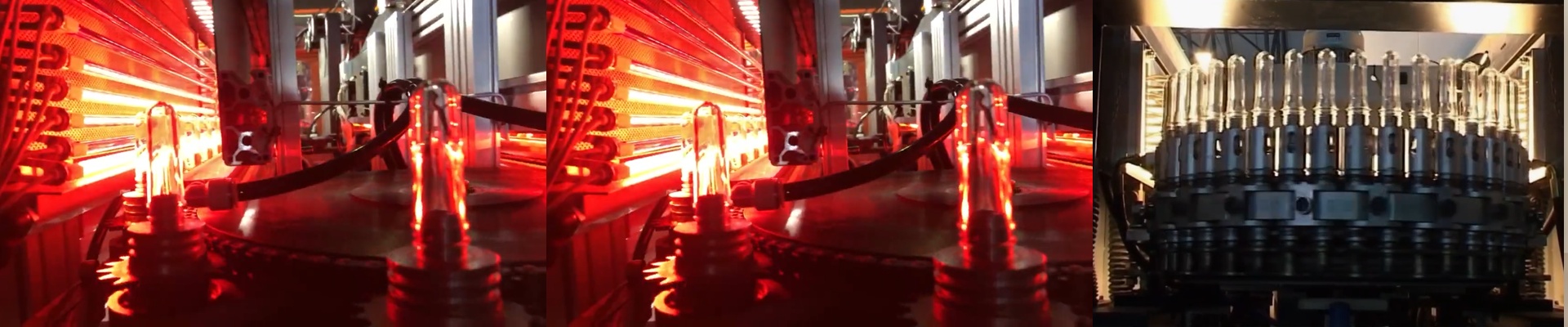
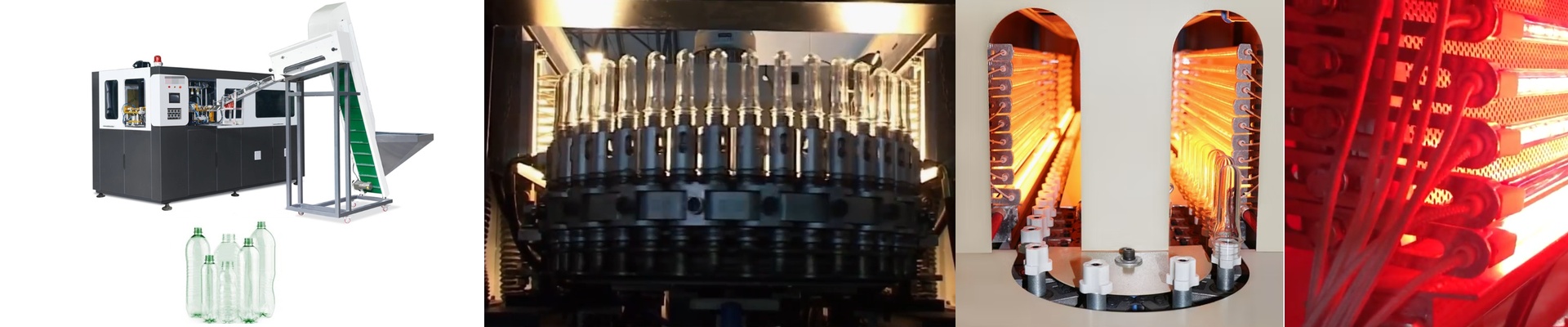
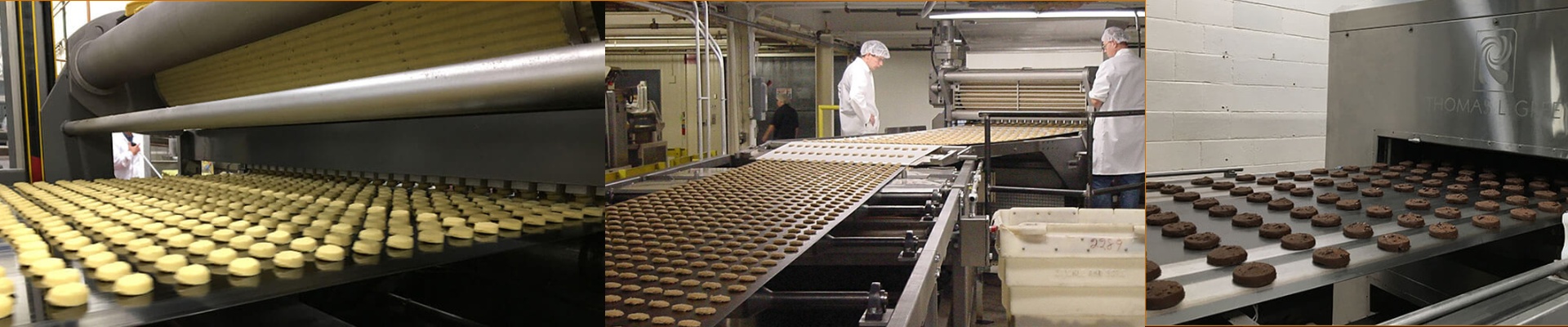
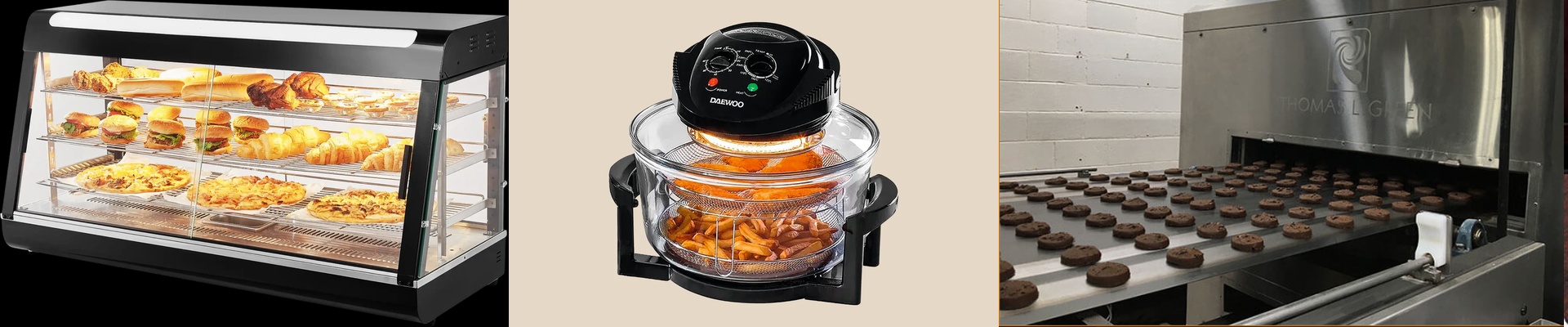
Getting a consistent crust on your bread is all about timing. You have to hit that Maillard reaction window exactly right. We use 110V Infrared (IR) elements because they react fast. They trigger that beautiful caramelization on the surface without sucking all the moisture out of the center.
Why speed matters
Most ovens just push hot air around, which is slow. IR is different. It sends short-wave radiation straight into the dough. Since these run on 110V, they heat up in seconds. This is the best part: you can “pulse” the heat. You hit it with a quick sear, then kill the power before the heat sinks too deep and ruins the crumb. It’s precise.
The gear and the trade-offs
We use high-purity quartz tubing for these elements. Glass just can’t handle the shock of turning on and off that quickly—it would crack. The internal filament is built for 110V grids, so they usually slide right into most North American commercial setups without a fuss. But a word of warning: watch your wiring. These tubes pull a lot of current. If your circuitry isn’t built for that peak load, you’re going to fry your relays. I highly suggest using solid-state relays (SSRs). They can handle the rapid-fire switching you need for this kind of temperature control.
Putting it to work
The nice thing here is the space you save. Since the heat is radiant, you can ditch the massive fans. You just wire them in, dial in your PID controller, and tweak the heat curve based on how much sugar is in your dough. Just be careful—quartz is fragile. If your shop has a lot of vibration, use dampened mounts. If you don’t, the mechanical stress will eventually snap the tube right at the seal. And nobody wants to deal with that mid-shift.