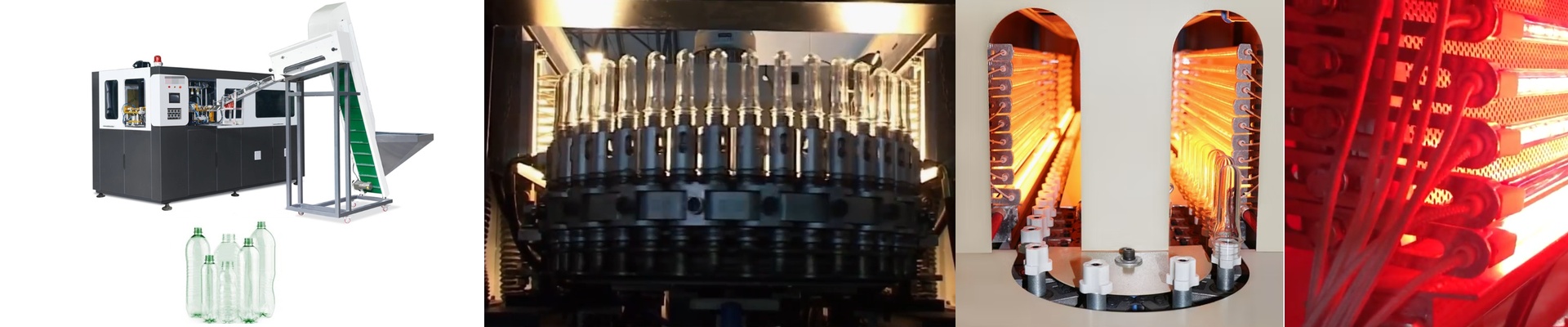
Stop Buying New Blow Molders. Just Fix the Heat.
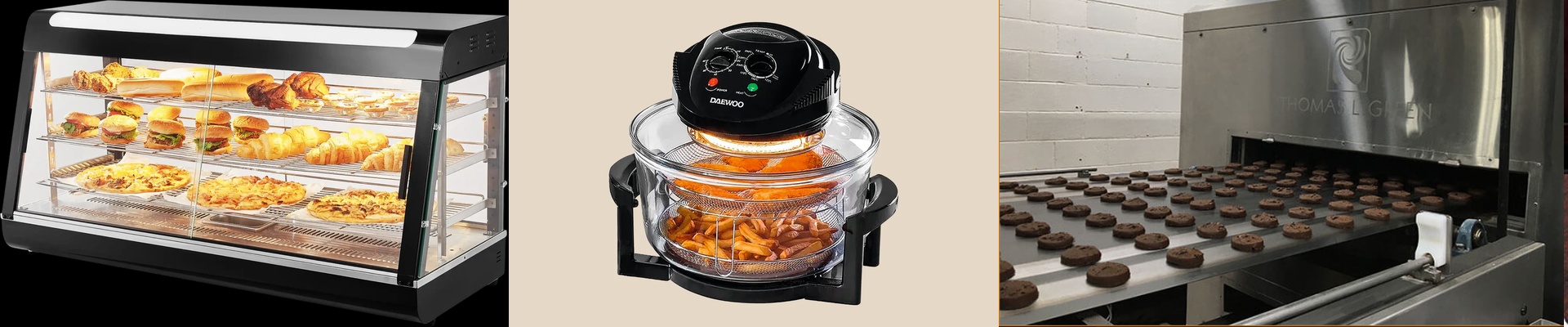
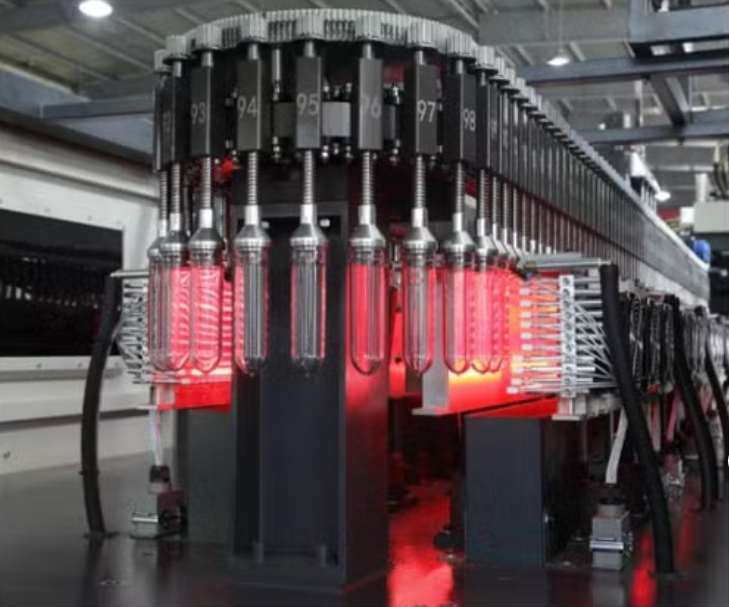
If you’re running a mid-sized PET shop, you probably have a few old blow molding machines that have seen better days. They still work, but the heating is… temperamental. You get inconsistent preforms, and it slows everything down. Here is the secret: You don’t actually need to drop a fortune on a brand-new machine. Most of the time, you just need better heat. By swapping out those standard heating elements for high-density IR modules, you can speed up your cycles and push out way more bottles without the massive capital expense. The trick is all in the density. Think of it this way. If we pack more wattage into a shorter space, we’re concentrating the heat. This hits the PET preform harder and faster, getting it to that “sweet spot” temperature much quicker than a standard lamp would. And if we bump up the voltage? That’s a win for your electrical setup. It lowers the current draw, which means you don’t have to worry about voltage drops if your machine is sitting at the far end of a long cable run. Why quartz matters. We use halogen-filled quartz tubes because they shift the heat toward the short-wave spectrum. Why does that matter? Because short-wave IR actually sinks into the PET wall rather than just bouncing off the surface. It’s a deeper, more efficient soak. We usually stick with R7s or Sk15 connectors. They’re simple, they fit right in, and they keep the electrical contact tight. No loose fits, no sparking, and—most importantly—no charred sockets when things get hot. The “Catch” (And how to handle it). Installing these is pretty easy. You wire them into your current controllers and tweak your PID settings to handle the faster ramp-up. But, you have to be careful. When you crank up the heat density, the window for error gets smaller. If your conveyor speed is still set for the old, slower lamps, you’re going to burn your preforms or end up with that annoying pearlescence. You’ll need to sync your oven timing with the new wattage. Also, make sure your cooling molds can keep up. You’re feeding them hotter preforms now, so they need to be able to pull that heat away quickly to keep your bottles stable. It’s a bit of a balancing act, but once you nail the timing? It’s a completely different machine.