Why Your Bathroom Heater Actually Works (And Why Most Don’t)
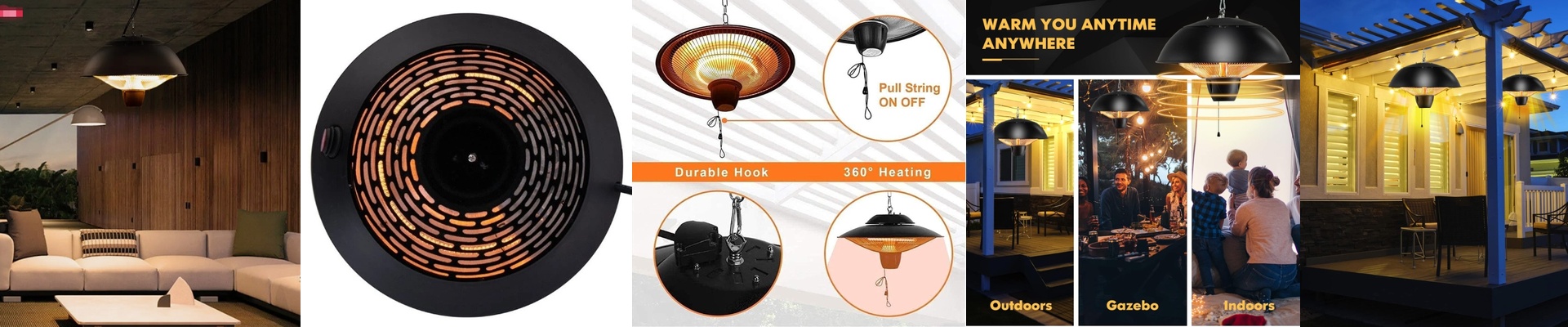
Most people think a bathroom heat lamp is just a fancy way to keep your shoulders warm while you get dressed. But we look at it differently. To us, it’s a tool for fighting a war against mold. If you want to stop mold from moving in, just warming up the air isn’t enough. You have to get rid of the moisture that’s hiding deep inside your tiles and grout.
Getting Rid of the Damp
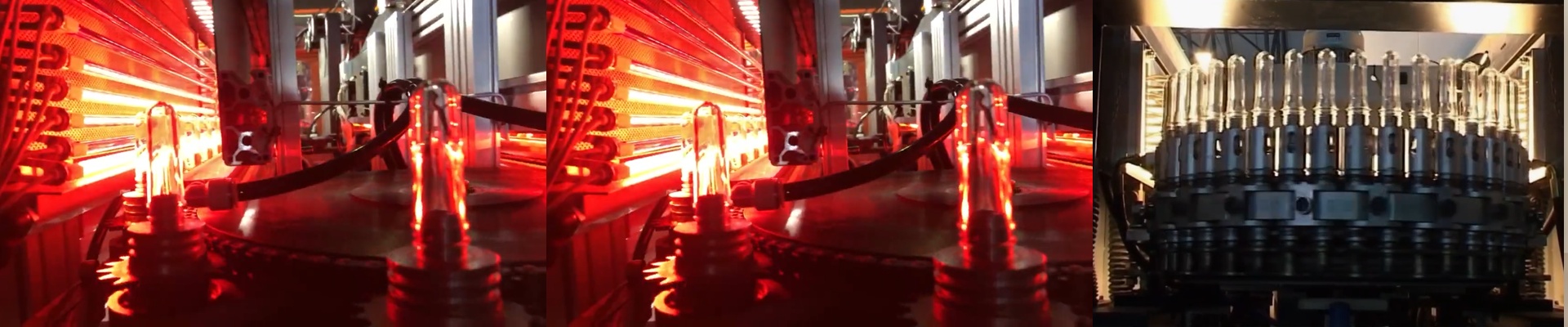
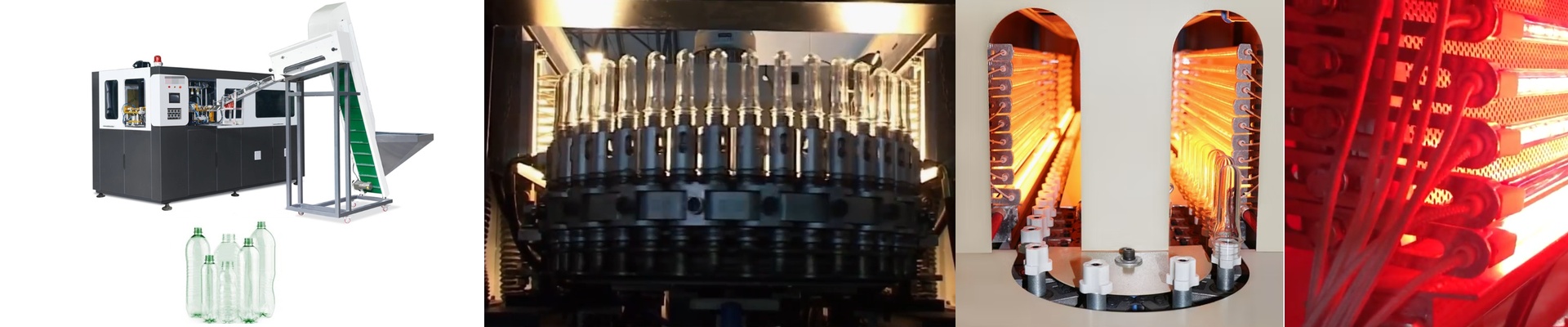
Here’s the thing: we use short-wave infrared (SWIR) emitters. Instead of just blowing hot air around the room, these beams go straight through the surface of your walls. It’s like a deep-clean for your humidity. The energy hits the substrate, warms it up, and forces that stagnant moisture to evaporate fast. Mold loves a damp home. By keeping the surfaces bone-dry, you’re basically cutting off their food supply. It’s a quiet, passive way to keep your bathroom fresh without having to scrub the grout every single weekend.
Keeping the Water Out
Water and electricity are a terrible mix. That’s why we build these to IP65 standards. It basically means we’ve sealed the electrical bits tight so the steam can’t get in and corrode the wiring. The quartz tube takes all the heat, and the housing keeps the guts of the machine dry. But you have to be smart about the power. A high-wattage lamp dries the room out faster, sure. But if you go too overboard, you might find yourself staring at a tripped circuit breaker. It’s all about finding that sweet spot for your room size.
The Real-World Install
These are designed to be simple drop-in replacements. You slide the element in, hook up the wires, and seal the gasket. And please, make sure that seal is tight. If the installation is sloppy, moisture will leak into the socket and burn the element out way sooner than it should. Also, make sure nothing is blocking the vents. If the fixture can’t breathe, it’ll overheat. Keep it clear, and it’ll last for years.