Stop Burning the Outside While the Inside Stays Raw
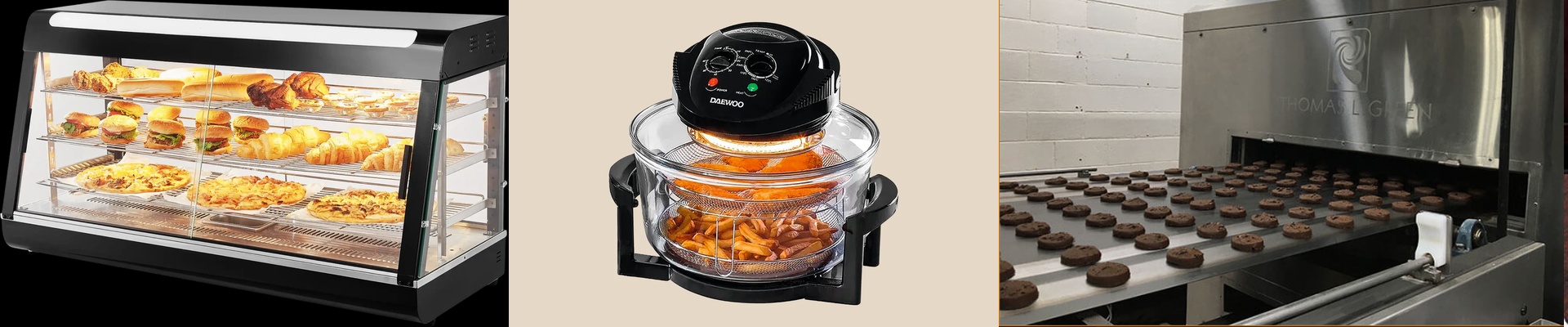
We’ve all been there. You’re dealing with a thick cut of meat or a heavy loaf of bread in an industrial oven, and it’s a nightmare. The outside is charred black, but when you poke the center? It’s practically raw. Standard convection just doesn’t cut it for the heavy stuff. Hot air is slow. It hits the surface and stops. That’s why we use infrared (IR) heating. Instead of just blowing hot air around, IR radiation actually sinks into the food. It goes straight for the moisture and fats inside, heating the core and the crust at the same time.
Getting the Balance Right
It isn’t as simple as just cranking up the heat. If you use the wrong wavelength, you’re back to square one. We use a mix. Short-wave energy handles that perfect surface sear, while medium-wave energy does the heavy lifting inside the food. But here’s the real secret: the controllers. We use high-frequency PID controllers because cheap heating arrays tend to just burn out. These controllers tweak the power in real-time. It keeps everything in a tight window so your proteins don’t seize up and your crust doesn’t turn into carbon while you’re waiting for the middle to cook.
A Few Things to Watch Out For
Before you go throwing high-wattage IR elements into an old oven, check your power. These tubes pull a lot of current. If your wiring or breakers aren’t up to the task, you’re going to be tripping the power every time you pre-heat. Not a great way to start a shift. Then there’s the placement. Too close? You get scorched hot spots. Too far? You lose that deep penetration. We usually set them up in a staggered array. It creates overlapping zones of heat, which basically kills off those annoying cold spots in the oven. You get a consistent cook across the entire tray, every single time.