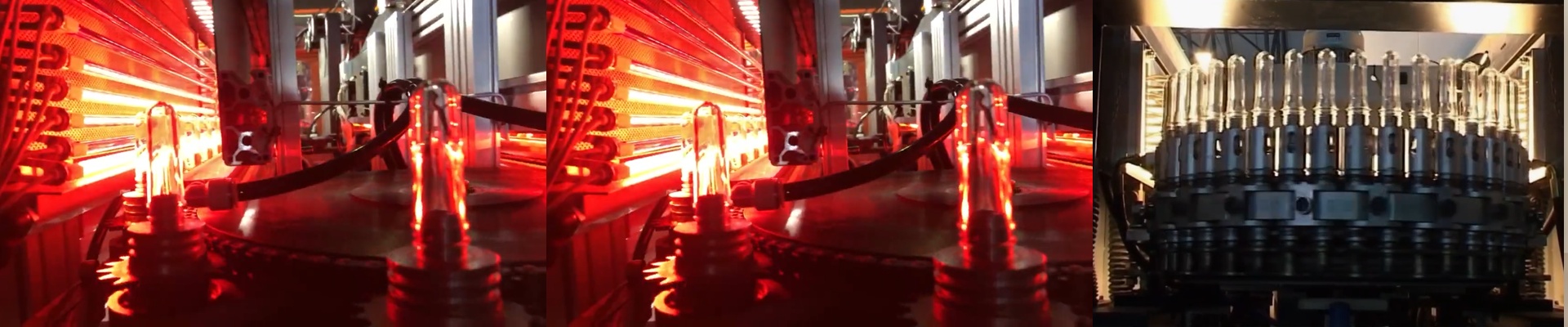
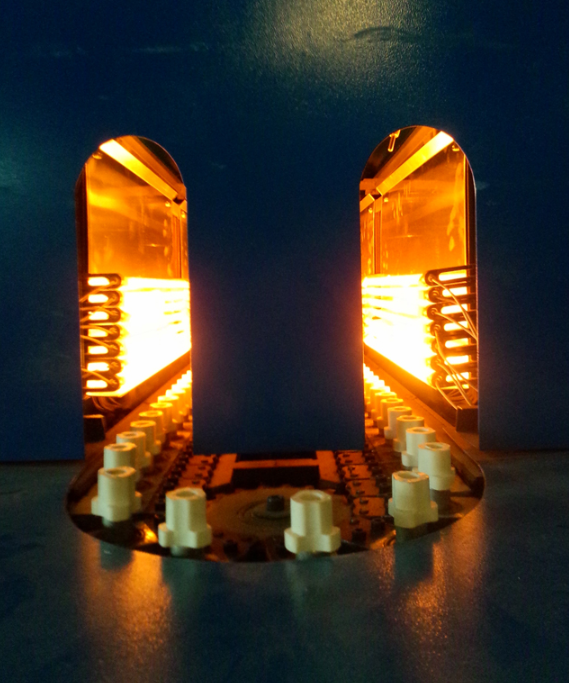
Stop Fighting Your SIPA Rotary Blow Molder
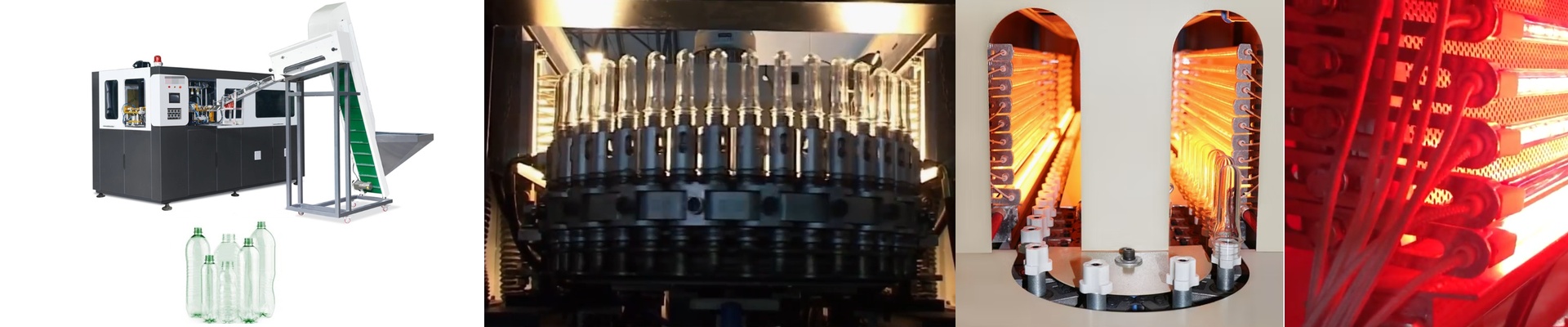
If you’re running a SIPA rotary machine, you know the drill. One minute everything is perfect, and the next, you’re staring at a batch of rejected bottles because of “cold spots” or walls that are way too thin in some places. It’s frustrating. Most of the time, the culprit is something surprisingly simple: the lamps. A lot of operators just grab any generic replacement that fits the slot. But here’s the thing—fitting into the socket is only half the battle.
It’s all about the power match
Think of it this way: your machine is tuned to a very specific rhythm. When you drop in a lamp that has a slight difference in ohms or a weird wattage-to-voltage ratio, you throw that rhythm off. Your heat density shifts. Suddenly, the infrared wave isn’t hitting the PET at the right frequency, and the plastic doesn’t soften the way it should. That’s why we obsess over matching the original Sidel/SIPA specs exactly. We want that heat to hit the preform exactly how the engineers intended, so you aren’t spending your whole shift tweaking settings just to get a stable bottle.
The gear inside the glass
We use high-purity quartz and a halogen cycle. In plain English? It stops the filament from evaporating too fast. This means your light output stays steady for thousands of hours instead of dipping off after a few weeks. Some of our tubes even have special coatings. Instead of letting heat bleed out into the machine frame, these coatings bounce the energy back inward, right where it belongs—on the preform. **One quick tip:**Check your connectors. If that R7s fit is loose, you’re going to get resistance. That leads to overheating at the contact point, and your lamps will burn out way sooner than they should.
Keeping it cool
These lamps are built for speed. Higher power density means you can shorten your oven lengths and crank up your cycle times. It’s great for production, but there is a catch. More wattage in a small space means your cooling blowers have to work harder. If your cooling system is clogged with dust or just can’t keep up, the ambient heat will start to creep up. Once that happens, your process window starts to drift, and it doesn’t matter how precise your lamps are—you’ll be fighting the heat all day.