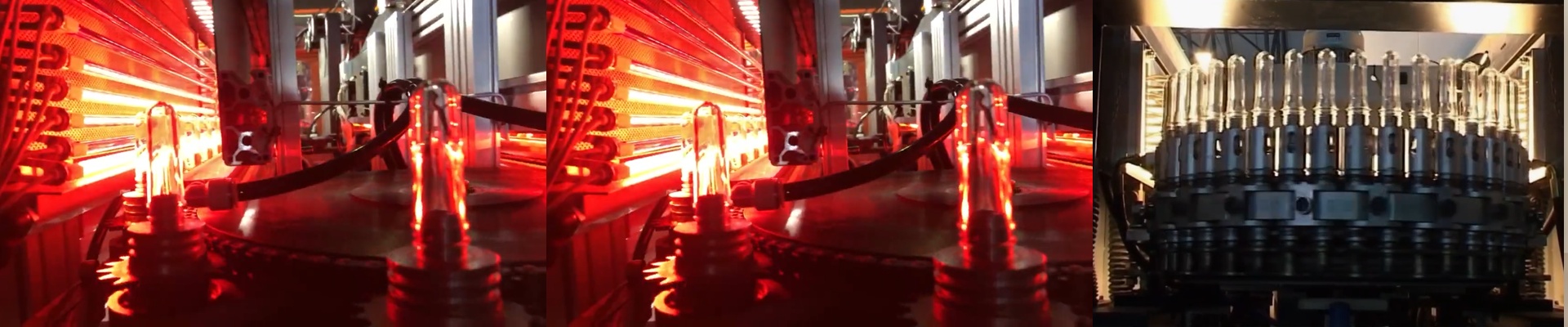
Getting Your Sidel Matrix Heating Just Right
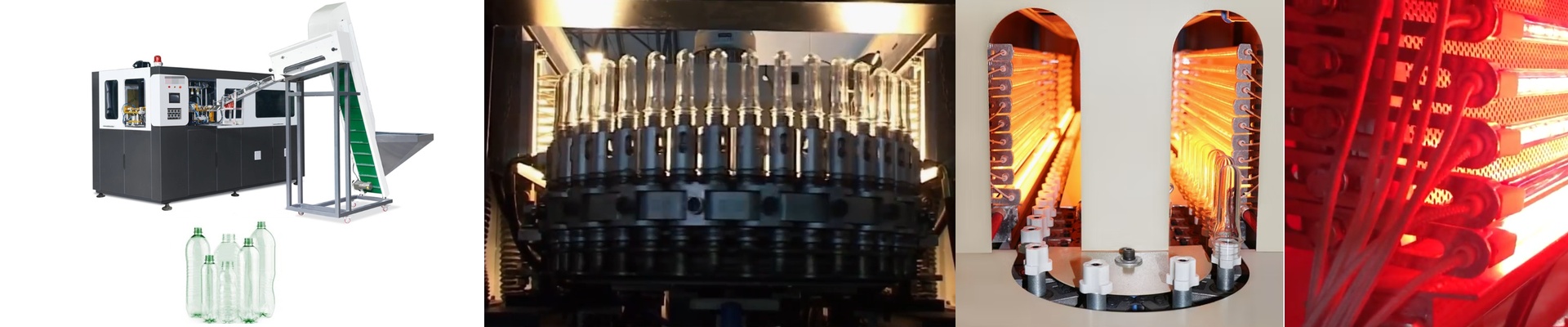
Here is the problem with replacing OEM heating lamps in a Sidel Matrix system: the temperature curve almost always shifts. If the wattage is off or the spectral output isn’t a perfect match, you’re in for a headache. You’ll start seeing uneven heating, which leads to those annoying wall thickness variations or that cloudy, pearlescent look in your bottles. Nobody wants that.
It’s All About the Match
We don’t just look at voltage and wattage when we build our infrared modules. That’s the basic stuff. We obsess over heat density—basically, how much energy is actually hitting every millimeter of that quartz tube. To make sure your heating profiles don’t go out the window, we align the filament diameter and the internal gas pressure. Why? Because if the emission spectrum shifts, the PET material doesn’t absorb the heat the way it should. It’s a subtle difference, but it’s the difference between a perfect bottle and a scrap pile.
No Fiddling Required
We use high-purity quartz glass because we want these things to last. Depending on your module, they come with R7s or Sk15 connectors. The best part? They just fit. You won’t be spending your afternoon modifying wiring or messing with reflectors. You just drop them in and get back to work. We also add a specific coating to the quartz to push more short-wave infrared energy into the preform and keep it away from your machine frame.
A Quick Word of Advice
High-wattage tubes are great for the fast ramp-up times you need for high-speed blowing. But there’s a catch. All that heat puts a real strain on your oven’s ventilation. If your cooling blowers are clogged or starting to give out, these lamps will run way hotter than they should. That’s a fast track to burning out your filaments. Keep your airflow clean, and these tubes will treat you well for a long time.