Getting the Heat Right in Your Husky HyPET System
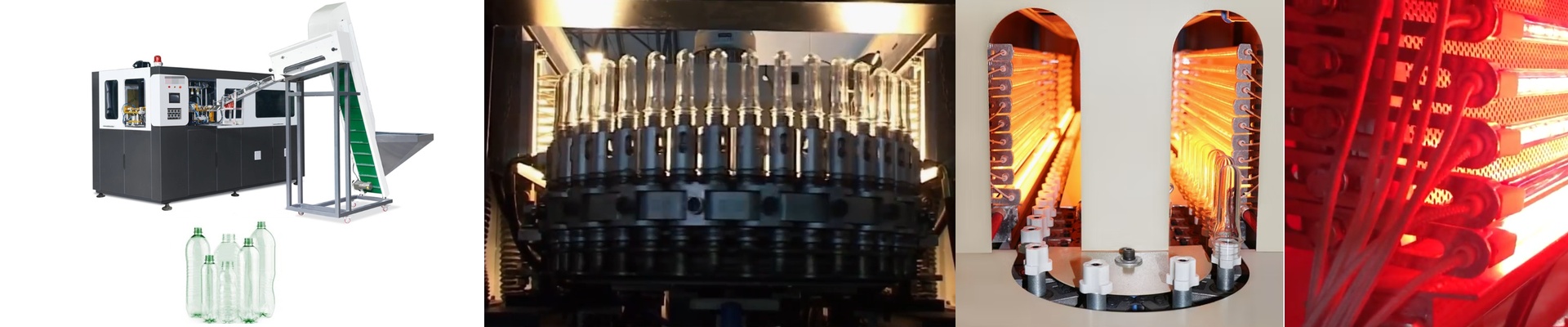
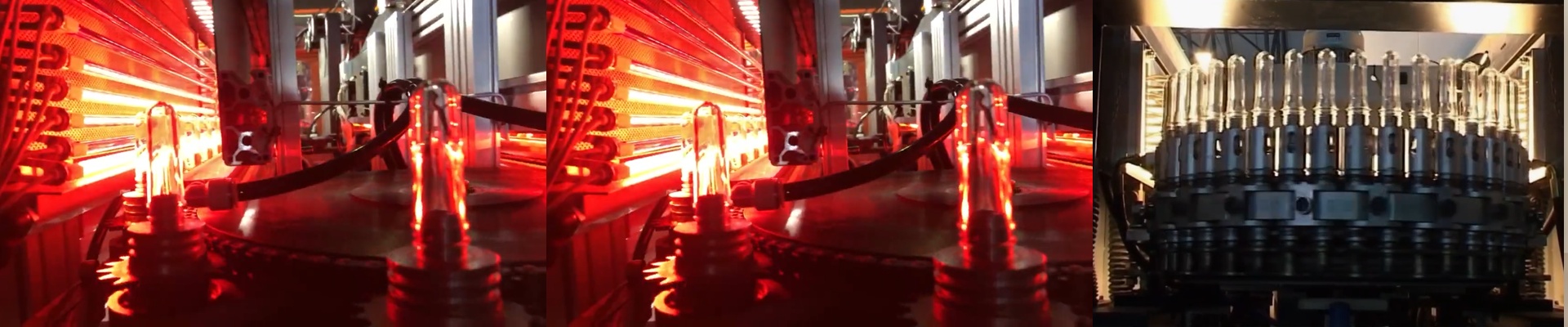
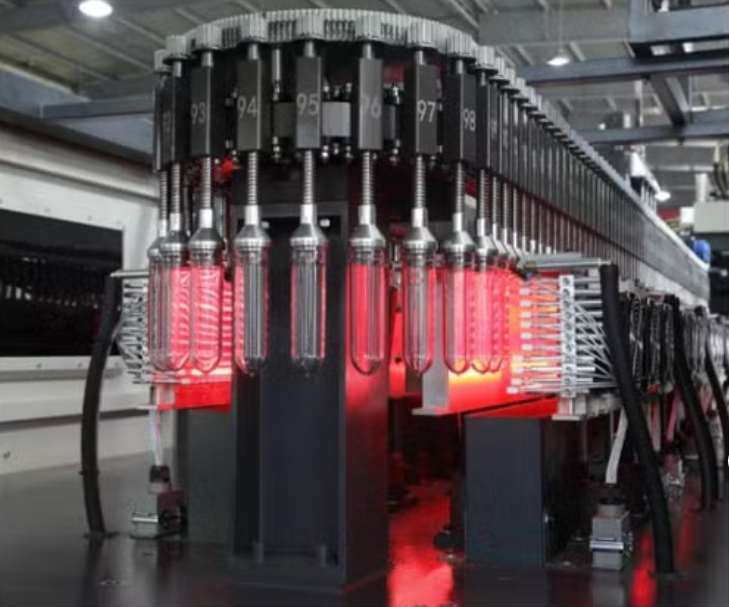
When you’re blowing PET at high speeds, you run into a frustrating problem. It’s not about how much heat you can throw at the preform—it’s about where that heat actually goes. Too often, you end up scorching the outside of the plastic while the thickest part of the wall stays stubbornly cold. We built our infrared lamps specifically for the Husky HyPET footprint to fix exactly that. We focus on short-wave radiation. Instead of just bouncing off the surface, it actually sinks into the plastic. The trick to deep heating To get a consistent heat profile without slowing down your cycle, we rely on high-wattage halogen tech. Because short-wave IR has a higher frequency, it punches deeper into the material. We push these tubes for high power density. Why? Because in a high-speed setup, you only have milliseconds to get that preform to the right temperature. It’s a delicate balance. If the wattage is too low, you’ll find those annoying “cold spots” in the center of your bottles. But if you crank it up without the right tuning, you’ll burn the surface. We spend our time calibrating the filaments so the heat stays steady across the entire length of the tube. Fitting them in We use a specific coating on our quartz glass to shift the emission spectrum. This stops the “skin effect”—that nightmare scenario where the outside melts but the inside is still frozen. And we kept the installation simple. We use standard R7s or Sk15 connectors. They’re drop-in replacements. You just pop them in; no need to mess around with rewiring. These things live in a brutal 24/7 environment. To stop them from burning out early, we reinforced the seal between the quartz and the electrodes to keep gas from leaking in. One thing to watch out for Here’s the catch: more penetration power means more heat dumping into your oven. You’ve got to make sure your cooling blowers can handle it. If your airflow is weak, the ambient temperature inside the oven will spike. If that happens, your preforms might start deforming before they even hit the mold.