
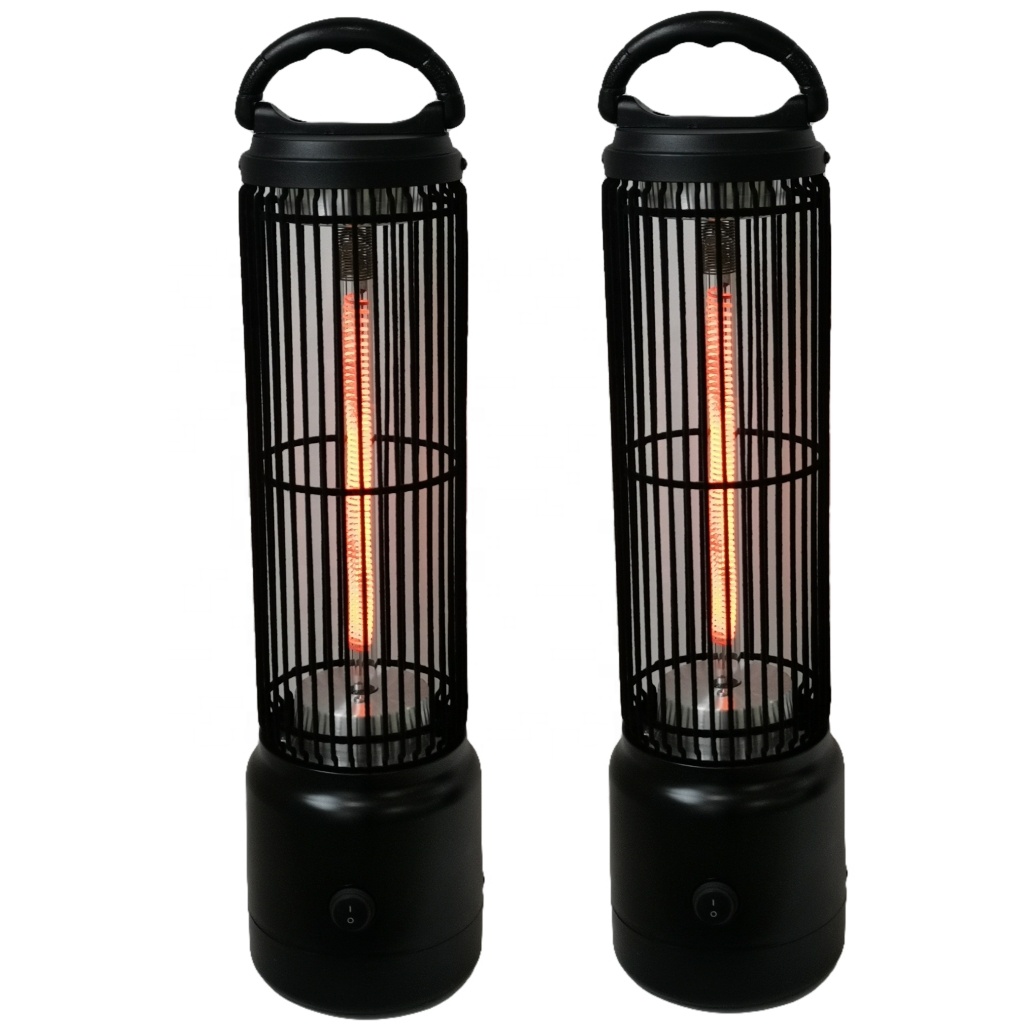
Why We Built Our Gazebo Heaters to be Modular
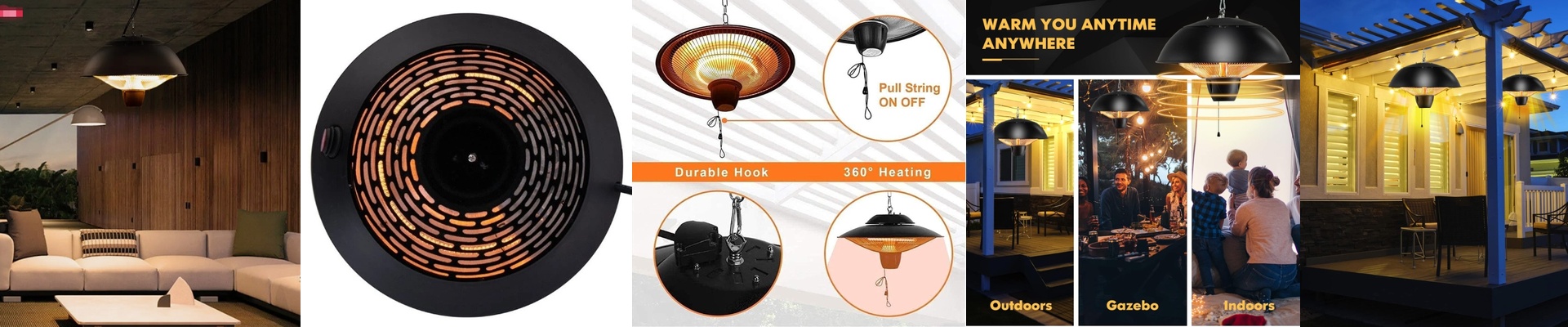
Let’s be honest: most gazebo heaters are great until they aren’t. You spend a few years enjoying your outdoor space, and then one day, a heating tube burns out. With most brands, that’s it. The whole unit is basically a giant paperweight, and you’re stuck buying a brand new fixture just because one part quit on you. We thought that was ridiculous. So, we changed how these things are built. The 1500W Sweet Spot We stuck with 1500W because it’s the gold standard for home circuits. It’s plenty of power to fight off those chilly drafts that sneak into an open-air gazebo. But the real secret is the shortwave infrared. Instead of trying to heat the air—which is impossible when the wind is blowing—it beams heat directly onto you and your guests. It feels like standing in a patch of sunlight on a cold day. Immediate. Warm. Comfortable. The “Quick Swap” Fix Here is where it gets interesting. Instead of sealing everything in a permanent box, we went with a modular setup. If a tube goes out in year five, you don’t need to call an electrician or rewire your entire ceiling. You just pull the old module out, slide a new one in, and lock it down. It takes minutes. No stress, no downtime, and no need to throw the whole heater in the trash. A Couple of Things to Keep in Mind Now, there’s a trade-off. Because the parts aren’t permanently soldered together, there are more connection points. Because of that, I recommend double-checking that your terminals are tight during the first 100 hours of use. At 1500W, a loose wire can get hot enough to melt the plastic housing, and nobody wants that. But once those are snug, you’re golden. We made sure everything is easy to reach. If you can get a ladder up to the fixture, you can fix it. No fancy tools, no PhD in engineering—just a quick swap and you’re back to enjoying your patio.