Buffet Lamp IR Heater: The Core Idea
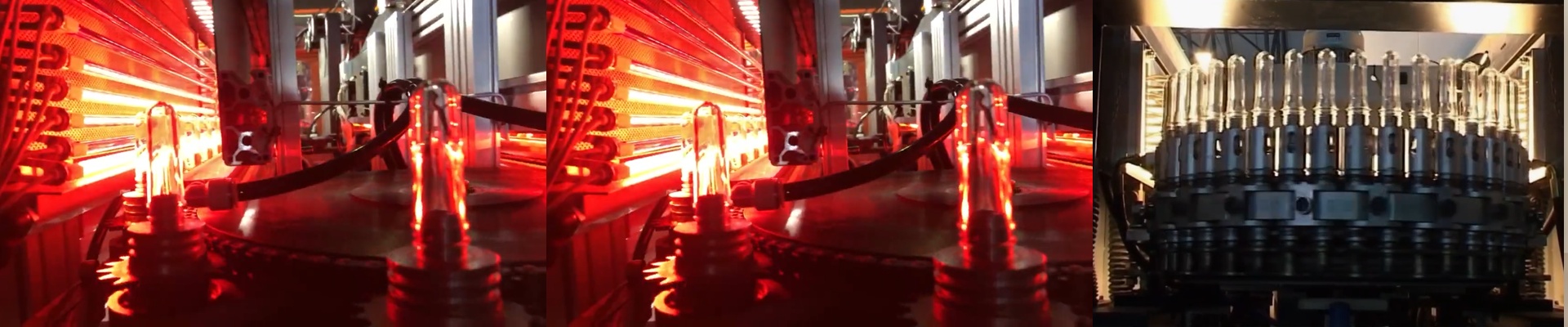
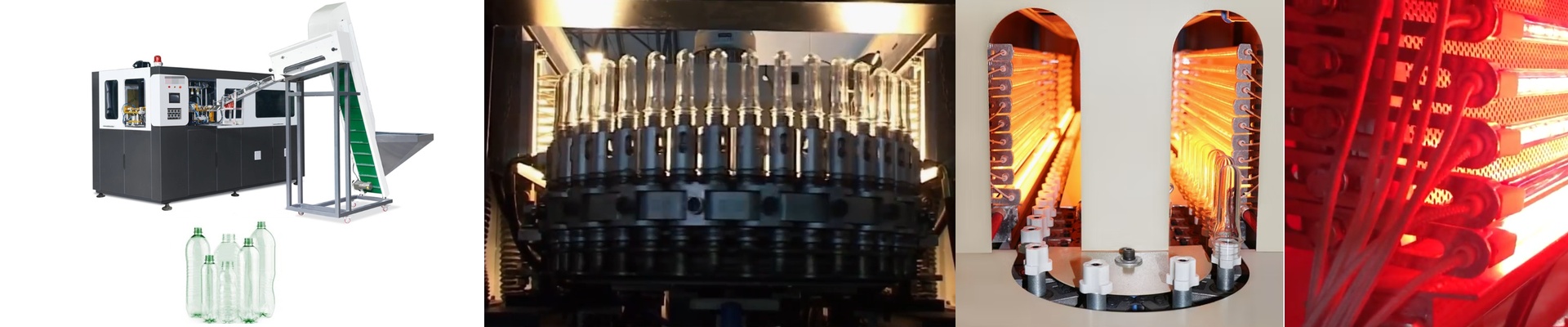
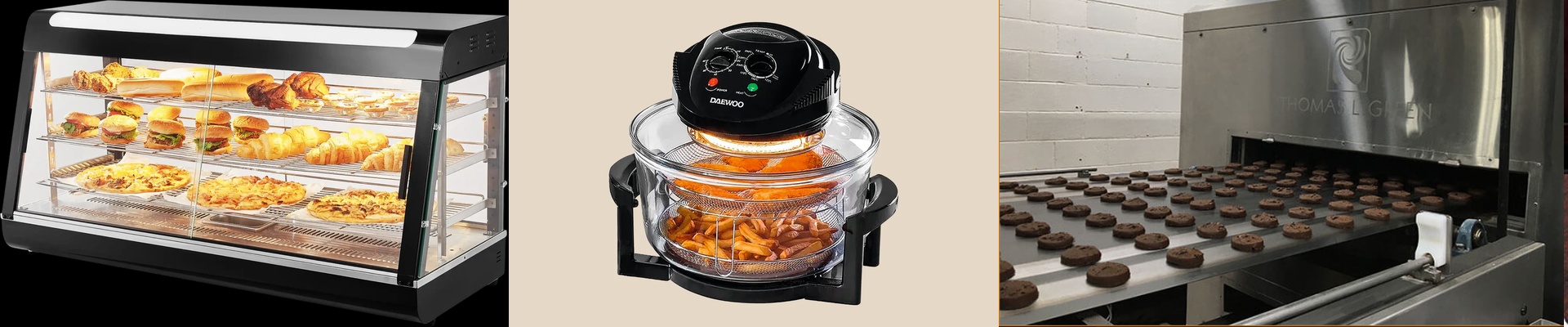
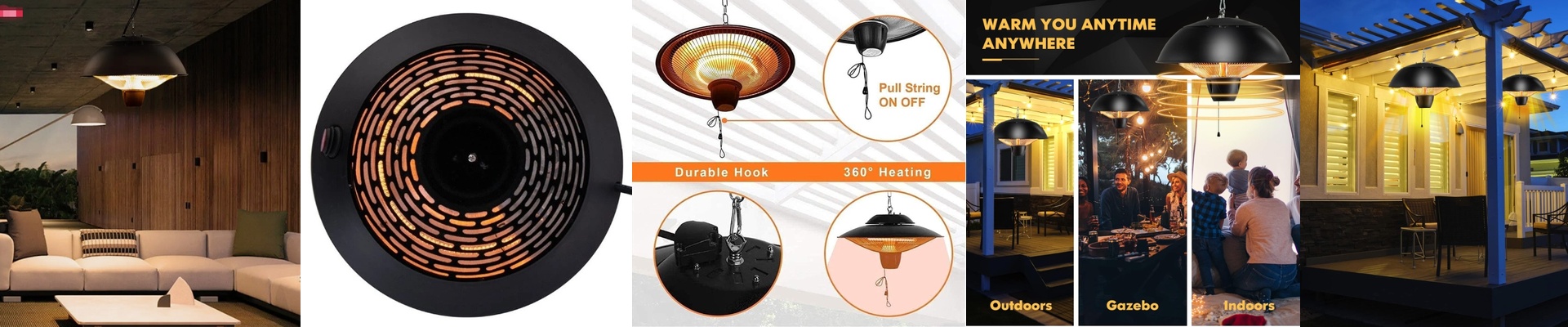
Here’s the reason we built this buffet lamp IR heater: when the room temperature keeps jumping around, your process shouldn’t have to pay the price. We made it to deliver fast, focused heat and then hold steady—no matter what the surrounding environment is doing. It’s about getting the heat where you need it, when you need it, and then staying locked on.
Power, Voltage, and Size—Why It Matters
We designed this heater to run on a 400V supply and pull 2500W, all packed into a 300mm length. That wasn’t by accident. Running at higher voltage means the current stays lower, so you can run longer wires with thinner gauge and still avoid voltage drop. And that 2500W in such a compact footprint? That gives you serious heat density, so the lamp hits operating temperature fast—perfect when you need rapid heating cycles. But there’s a trade-off: packing this much power into a small space creates a lot of local heat. So make sure your machine’s cooling and airflow are up to the task, or nearby parts will start running hotter than you’d expect.
The Materials and Design Choices
Inside, we went with a halogen-based shortwave infrared setup, housed in a quartz envelope. The halogen gas helps keep the filament stable, so output stays consistent over time. The quartz tube is coated to focus the energy into the right band—so more of the heat gets absorbed by the workpiece, and less is wasted. For installation, we chose an R7s connector. It’s a proven industrial interface that locks in quickly, can handle high temperatures, and gives you a solid mechanical and electrical connection. Wire it once, and it stays put—no wiggle, no loose contacts to worry about.
Real-World Performance: Control When It Counts
The real headache is ambient temperature swinging all over the place. Our infrared temperature control system compensates on the fly, adjusting output in real time to keep the temperature stable despite environmental changes. On the line, that means you get repeatable heating without constantly chasing setpoints. For engineers, the payoff is practical: faster heat-up, tighter control, and a rugged lamp that can handle the heat. If you’re doing a drop-in replacement or a fresh design, plan around the 400V/2500W/300mm footprint—and give your cooling the attention it deserves.