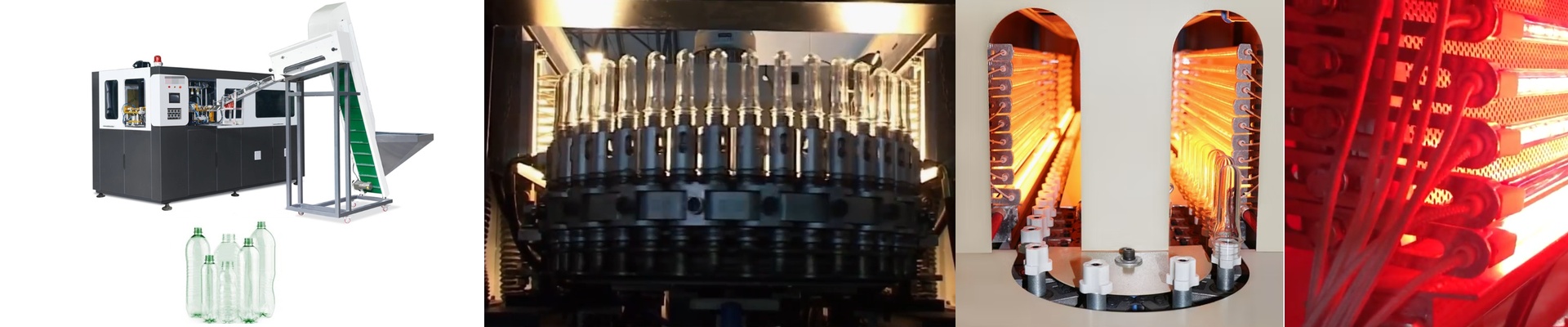
Fixing the Heat Issues in Your SIPA Rotary Blow Molding
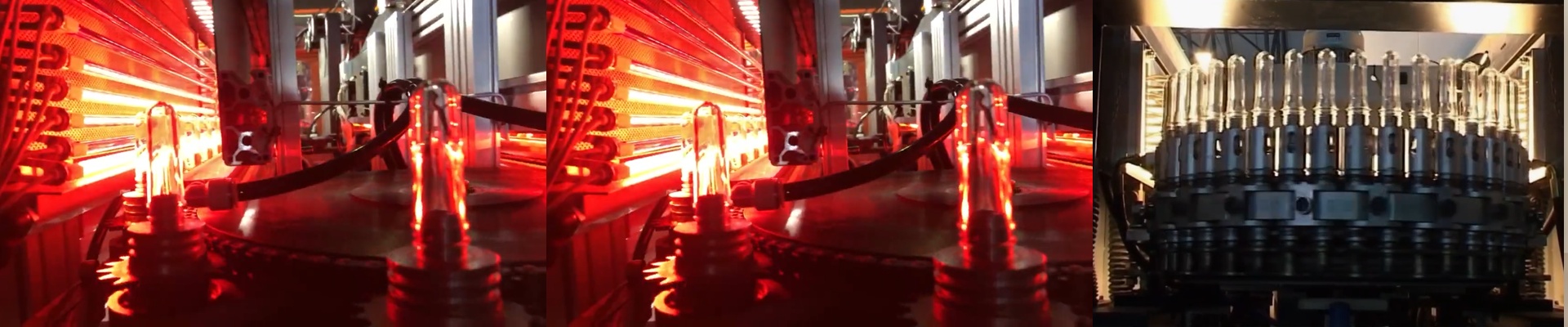
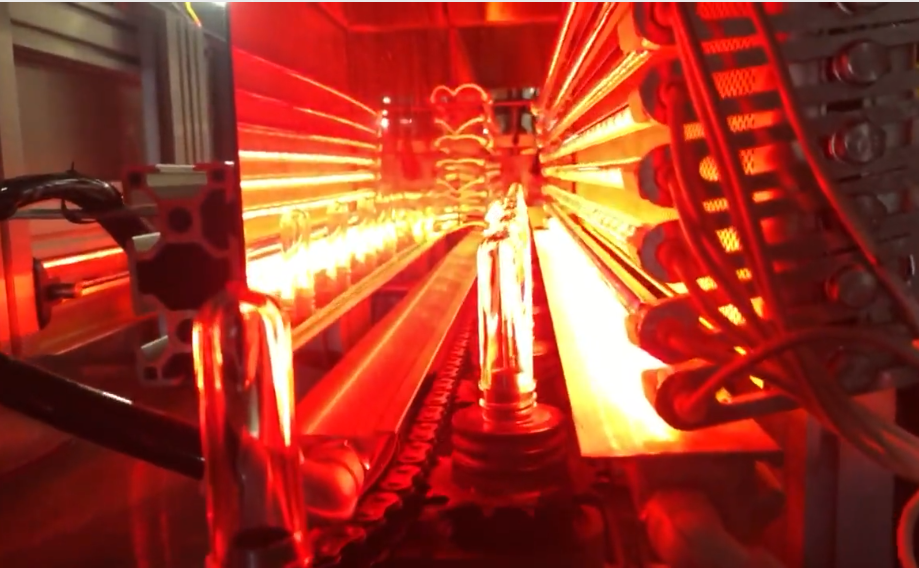
Ever notice your SIPA machines acting up because the heat just isn’t consistent? Usually, it comes down to a power mismatch. Here’s the thing: if you’re mixing lamps with different wattages or voltage tolerances, your preforms aren’t heating evenly. You end up with bottles that have weird wall thickness or, worse, structural failures that send your product straight to the scrap bin. The only way to stop that headache is to make sure every single lamp in that oven is perfectly matched. Why power matching actually matters We build these lamps to hit the exact OEM wattage and voltage your SIPA setup expects. It sounds like a small detail, but if a lamp is off by even 5%, you get a cold spot. We calibrate the filament density so the heat flux is the same from the first lamp to the last. Once that’s dialed in, you can stop messing with the oven temperature every ten minutes. It just works. The gear under the hood We use high-purity quartz glass because it can take the hit of rapid heating and cooling without cracking. We also use a halogen gas fill. This stops the filament from evaporating too fast, which is why these last way longer than your average IR tubes. And don’t worry about the install. We use standard R7s or Sk15 connectors. They’re drop-in replacements, so you won’t be spending your afternoon rewiring sockets or modifying the footprint. Real talk: The shop floor High-wattage IR lamps put out a ton of heat. That’s great for keeping your cycle times fast, but it puts a lot of pressure on your cooling blowers. If your ventilation is clogged or just too small, the ambient heat builds up. That kills your lamps. Plus, keep those reflectors clean. A dirty reflector blocks the IR radiation, which forces the lamp to run hotter just to get the preform to the right temperature. That’s a quick way to burn out a filament. Swap in these lamps to steady your heating profile. Your scrap rates will thank you.