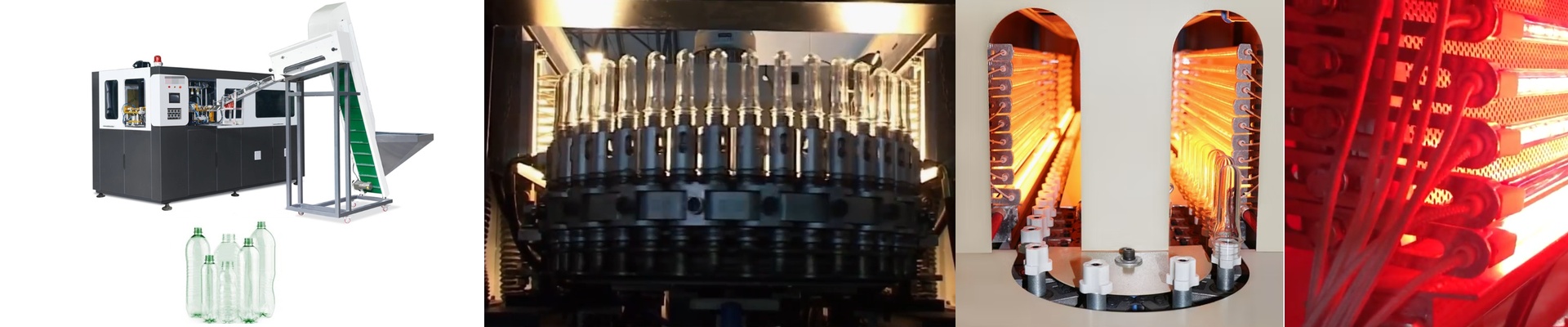
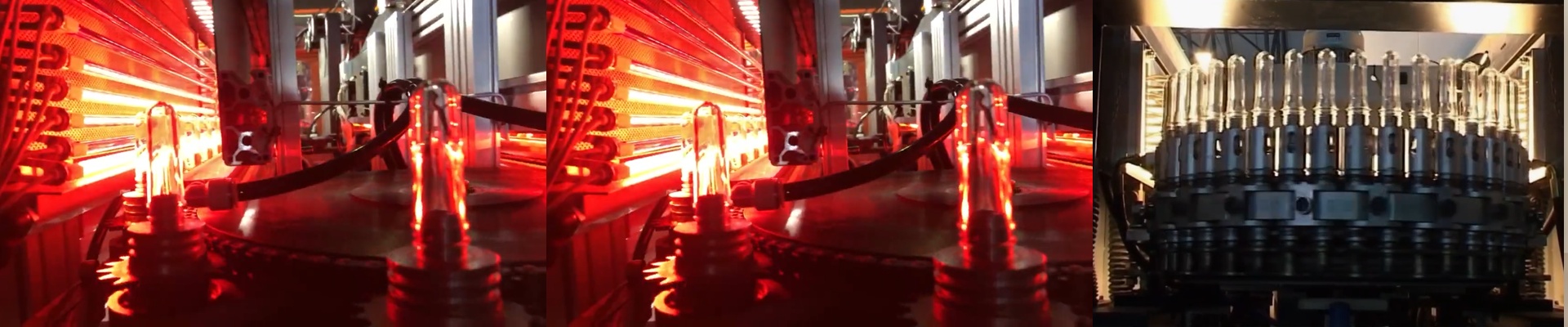
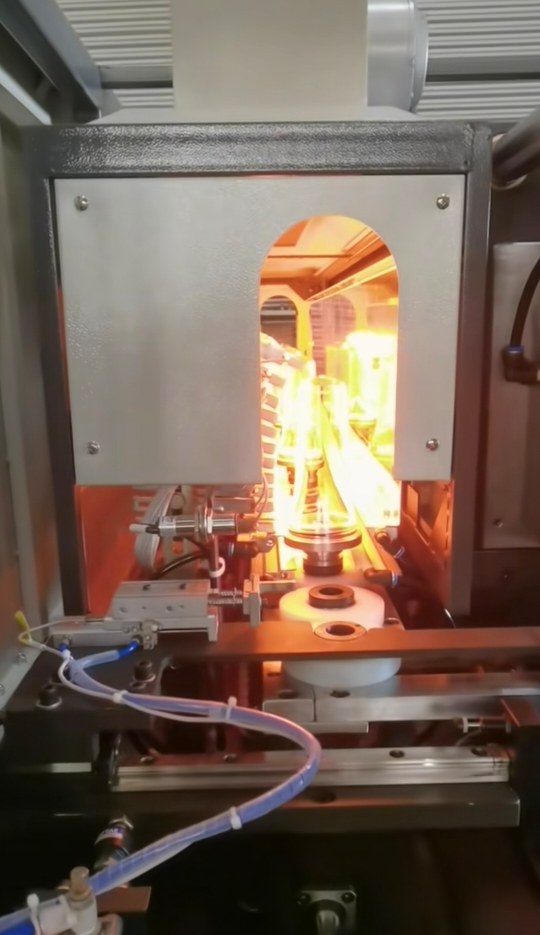
On the blow molding floor, a preform that doesn’t heat evenly is a direct hit to yield. Uneven heating means weak biaxial orientation, thin walls, and a heap of scrap. When the heating tunnel underperforms, you don’t need promises—you need repeatable heat that matches your machine’s geometry and cycle. What matters, technically We build PETC preform softening infrared oven lamps around short-wave infrared emitters, paired with quartz tubes for fast response and tight thermal control. The emitters are sized to OEM-standard voltages and watt densities, so the energy lands where the preform needs it. Standard R7s connectors and exact-length envelopes drop right into Sidel, Krones, SIPA, Husky, SACMI, and Nissei ASB heating modules. You get consistent spectral output, stable temperature in the heating tunnel, and predictable softening across the preform wall. Timing is everything in stretch blow molding. Short-wave infrared heats fast and cools fast, so you can run quicker cycles without overcooking the preform neck or base. The payoff is tighter control over material distribution, fewer pinholes, and stronger bottles. Energy use drops because the energy goes straight into the PET, not into heating the air around it. We’ve seen plants cut heating-related scrap by double digits while holding the same throughput. Installation is straightforward, but alignment is critical. Even a few millimeters off-axis shifts the heat profile and can drive uneven stretch. Before you swap, confirm reflector geometry and emitter positioning. And keep an eye on the environment. Ambient dust and cooling airflow impact lamp life—keep the tunnel clean and the airflow steady. We provide dimensional drawings and power specs matched to your blow molder, but you still need to validate fit on the machine during maintenance.