Getting Your SACMI Rotary Blow Molders to Hit the Mark
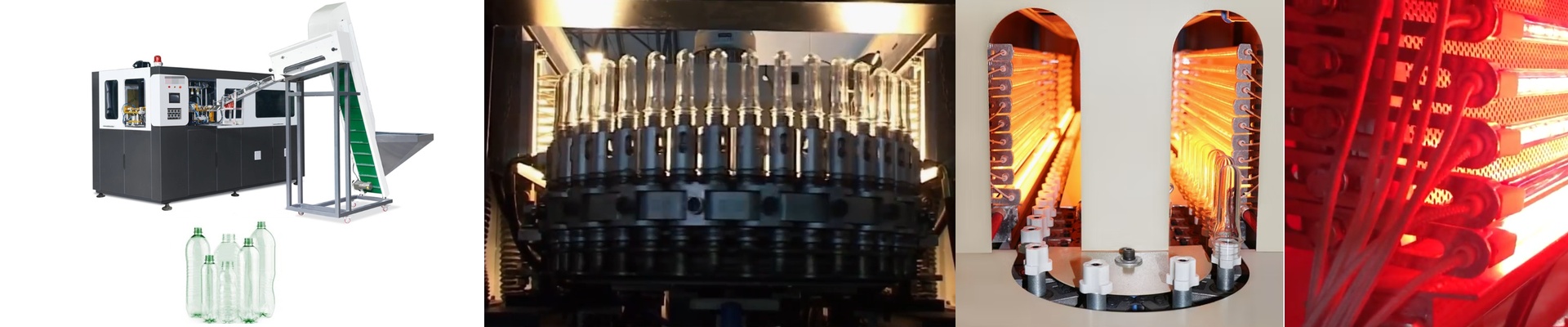
If you’re running SACMI rotary machines, you know the pace is relentless. Everything happens in a blink. You’ve only got a tiny window to get those PET preforms heated just right. When your lamps are sluggish or the temperature starts jumping around, you see it immediately in the bottles. You get those annoying thin spots in the walls or that cloudy, pearlescent look that makes a batch look cheap. It’s frustrating.
The Secret to a Fast Start
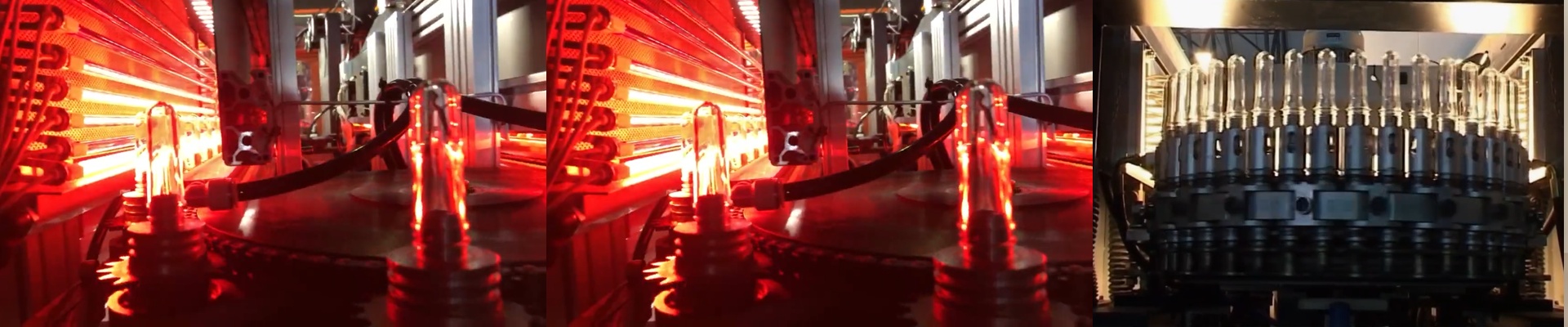
We focused on one thing with our quartz lamps: killing the lag. Nobody wants to wait for a lamp to “warm up” when the machine is already screaming. By using high-purity fused quartz and tweaking the way the tungsten filament is shaped, we’ve cut down the thermal inertia. The goal is basically instant heat. We’ve dialed in the voltage and wattage so that the second the power kicks in, the infrared energy is right there. No hesitation.
Keeping Things Clear
Here is the thing about tungsten: it likes to flake off and coat the inside of the tube. Once that glass gets cloudy, your heat transfer tanks. You’ll find yourself cranking the power just to hit the same temperature you had yesterday, which is a one-way ticket to burning out your filament. To stop this, we use a halogen cycle. It keeps the glass crystal clear so the heat actually gets to the plastic. And since we use standard industrial connectors, you can just swap them in. You won’t have to spend your shift rewiring the oven.
The Real-World Stuff
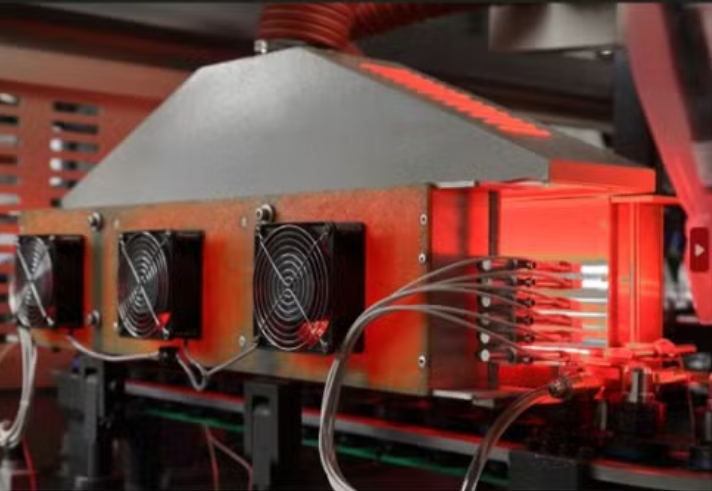
Fast start-ups are great, but they’re hard on your gear. All that heat density is a lot for a machine to handle. If your forced-air cooling is acting up or your fans are lagging, the heat just sits in the housing. It doesn’t matter how high-end the quartz is—if it’s baking in its own heat, it’s going to die early. Plus, keep an eye on your reflectors. If they’re dusty or dull, the IR energy just soaks into the machine frame instead of hitting the PET. Keep them polished. It’s a simple step, but it makes a massive difference in how long your lamps actually last.