



Making Your Bathroom Actually Warm (Without the Wait)
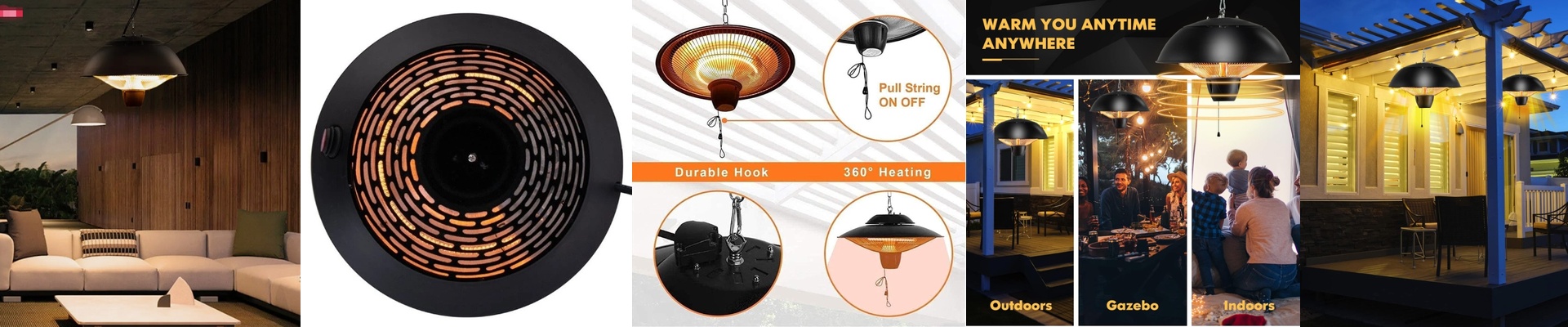
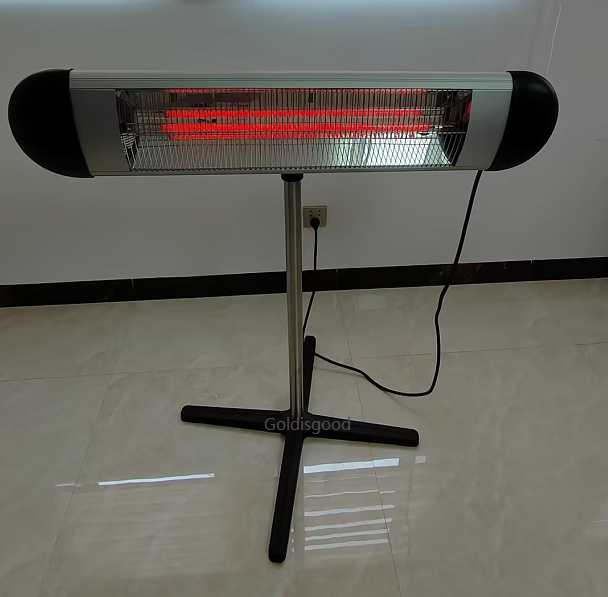
Ever stepped into a bathroom in the middle of January and felt that immediate, bone-chilling shock? It’s the worst. Most heaters try to warm up the air, but that takes forever. Infrared (IR) heaters work differently. Instead of fighting with the air, they send out waves that heat you and the walls directly. It’s like stepping into a patch of sunlight. We use short-wave elements because they’re nearly instant. When you hook these up to a smart home setup, that “warm-up period” basically vanishes.
Why “Instant” Matters
Standard heaters are slow. They circulate air, which is fine if you have an hour to kill, but not when you’re trying to wake up. IR elements—usually quartz or halogen—hit their peak temperature in seconds. If you pair these with a Zigbee or Matter controller, you can trigger the heat from your phone or a sensor before you even leave the bedroom. By the time you walk in, the room feels like spring, even if there’s a blizzard outside.
The Nerdy Stuff (And Why It Matters)
Getting this to work with an app is the easy part. The tricky bit is the electricity. High-wattage IR lamps can cause a massive power spike the millisecond they turn on. If you use a cheap relay, the contacts can actually weld themselves shut. It’s a mess. To avoid that, I always suggest heavy-duty solid-state relays (SSRs). They can handle the punch. Plus, you can get creative with the triggers. Imagine your bathroom floor and walls hitting a cozy 25°C exactly five minutes before your alarm goes off. That’s a much better way to start the day.
A Quick Heads-Up on Power
There is a catch: these things pull a lot of juice. If you’re putting this into an old house, your current wiring might not be up for the task. You don’t want to hit a “one-click” command to warm up three different zones and have your main circuit breaker trip immediately. Check your capacity first. It’s a boring step, but it beats sitting in the dark.