Introduction
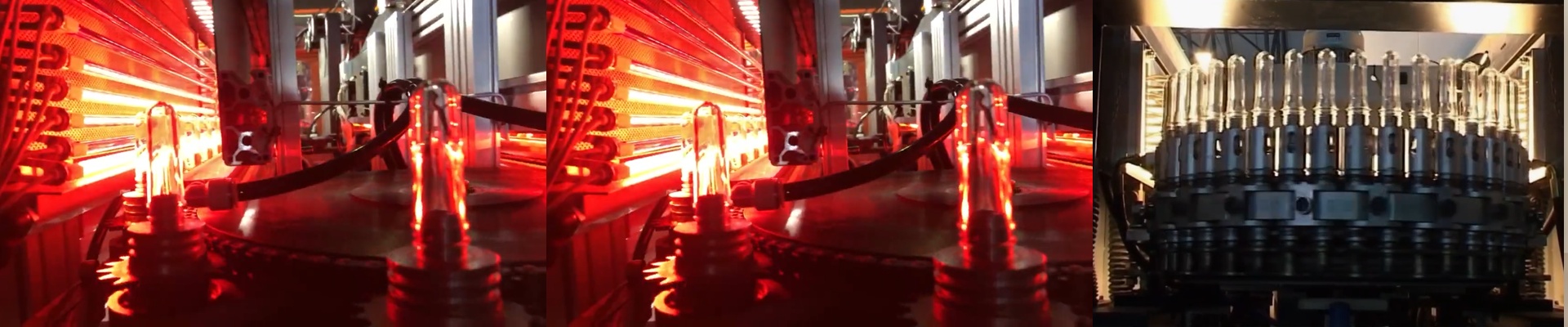
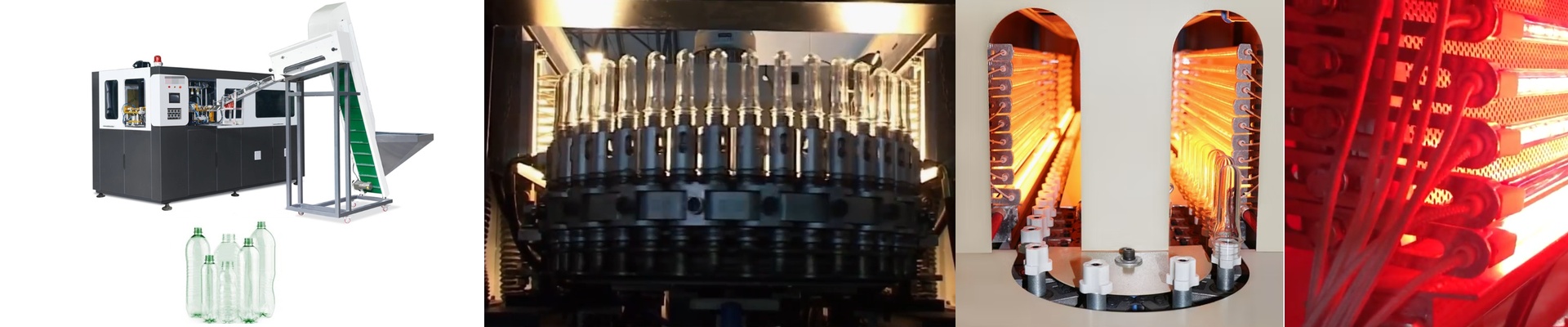
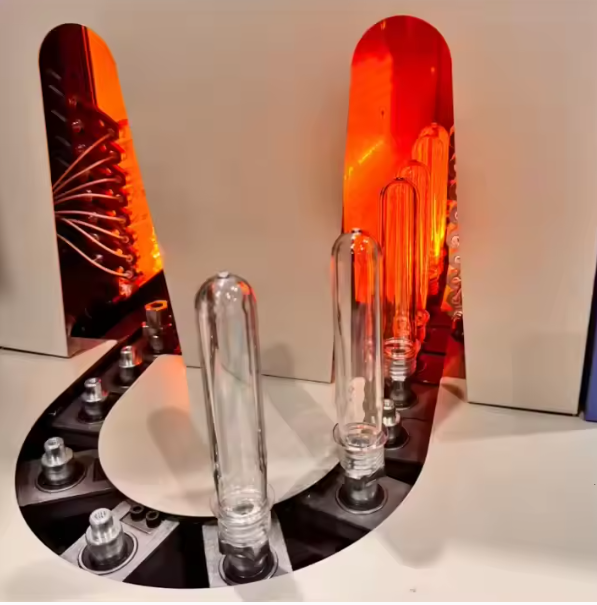
We built this replacement lamp with one machine in mind: the Nissei ASB 70DP, right there in your SIPA rotary setup. It drops in clean, matches the power perfectly, and is designed to kill heating drift for good—so your blow molding line finally feels steady again.
The power behind it (without the overthink)
At the heart of it is a 2500W lamp running on 400V. That pairing isn’t random. It gives you the exact heat density you need, in a compact size. And the dimensions—300mm long, 10mm across—were chosen to match the ASB 70DP heater block like a glove. The payoff? No hot spots. No uneven heating across the preform neck or parison. Just consistent, repeatable warmth.
What it’s made of—and why it matters
Inside, you’ve got a shortwave infrared halogen element, sealed in a high-purity quartz tube. Halogen means fast response and stable output, even when the lamp cycles on and off a lot. The quartz handles thermal shock without flinching, and stays optically clear so the heat transfer stays consistent. We also added a coating to manage reflection and spread the heat more evenly. Then there’s the connector: an R7s two-pin ceramic design. It’s built for high current and high temperature, so it won’t soften or arc. Wiring it up is straightforward—clean connection, right to the original machine terminals—so you can get back to work without a long changeover.
What it does on your SIPA rotary machine
On SIPA rotary machines, heating ups and downs tend to show up as inconsistent bottle weight, uneven wall thickness, and rejects. This lamp is spec’d to hold power steady through the whole cycle, so you get stable heating even when the machine is indexing at high speed. That 400V, 2500W output delivers the heat density you need. But here’s the honest part: that kind of power also means your cooling system needs to be up to the job. The machine’s cooling has to keep ambient temperature in range.
The kind of replacement you actually want
This is a true drop-in. No rewiring. No retuning. You wire it in, set the parameters, and run. For SIPA rotary users, that translates to fewer heating swings, fewer unplanned line stops, and output you can count on shift after shift. **One quick reality check:**higher power density gives you faster, more stable heating, but it needs adequate cooling. Before you run at full duty cycle, take a moment to confirm your airflow and heat exchange capacity are where they need to be.