
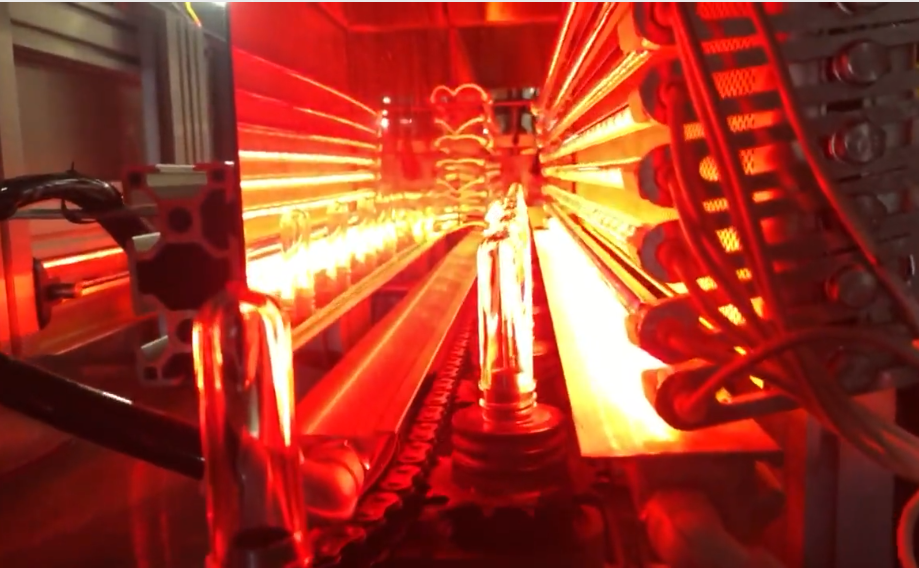
Making Your PET Blowing Machine Actually Work With Any Heater
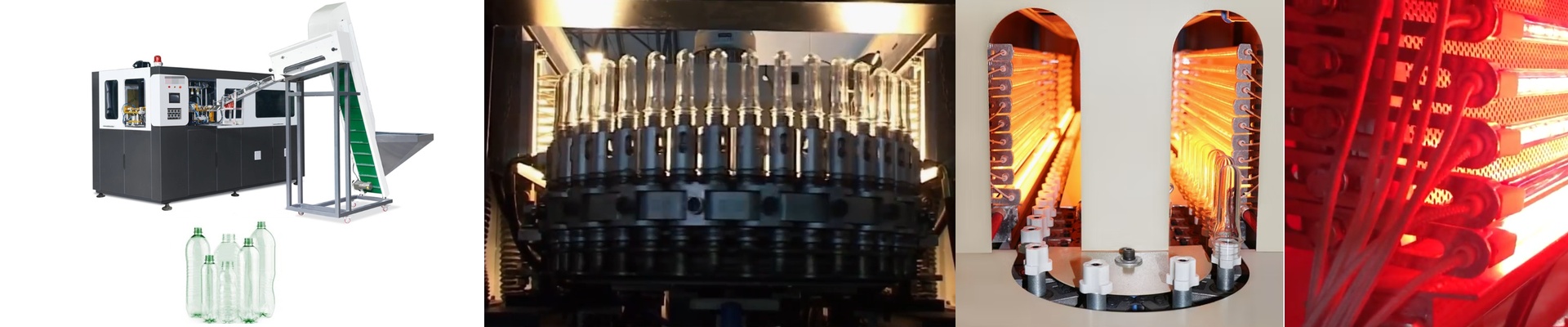
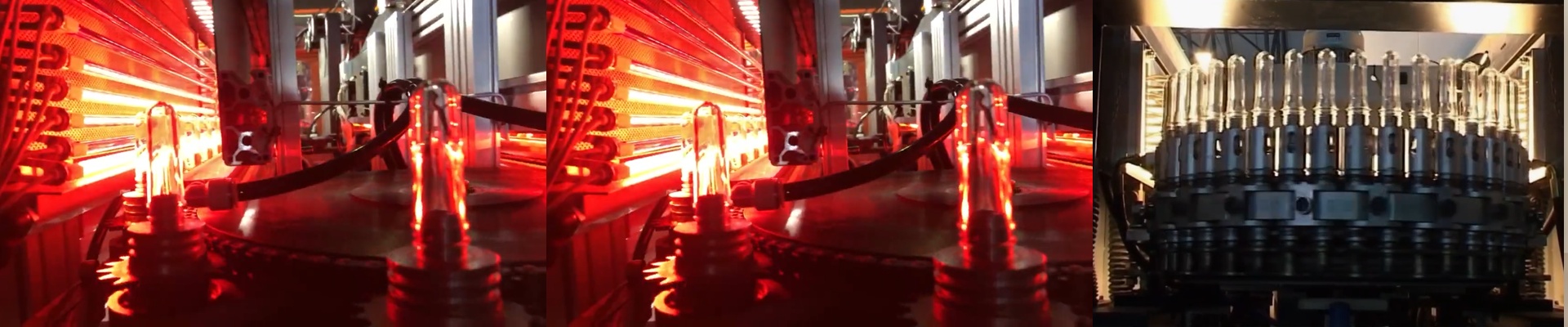
If you’ve spent any time around PET blowing machines, you know the headache. Every OEM seems to have their own idea of how a shortwave infrared lamp should look, how long it should be, or what voltage it needs. It’s a mess. We got tired of the guesswork. So, we built our lamps to be “drop-in” replacements. We focused on the technical bits that actually matter, meaning our gear works with about 95% of the machines out there. No hacking, no praying it fits. Just plug and play. Let’s talk power. We make tubes for everything from the standard 220V up to high-voltage 400V setups. Now, a 400V 2500W tube is a beast. It puts out massive heat, which is great if you want to speed up your cycle times and push more product out the door. But a word of advice: if you go that route, double-check your cooling system. If your housing can’t handle that extra ambient heat, you’re just going to burn through your lamps faster. It’s a simple fix, but one people often forget. The stuff inside the glass. We use high-purity quartz and halogen gas. Why? Because it lets the filament get scorching hot without ruining the tube itself. Some of our lamps even have special coatings. These don’t just heat the air; they push the heat deep into the PET wall so you don’t end up with a scorched surface and a cold center. Then there’s the wiring. This is usually where things go sideways. We stick to R7s and Sk15 connectors because they’re the industry standard. You can swap a dead lamp out in minutes without having to tear apart your wiring harness or hunt for new sockets. Keeping things running. These lamps are built for the grind. High-volume production is brutal, and we know you can’t afford to wait weeks for some “official” OEM part to ship from halfway across the world. We keep them in stock so you can get back to work. One last tip from the field: when you’re installing these,check your contact tension. I can’t tell you how many times we’ve seen a “failed” lamp that was actually just sitting in a loose socket. Loose connections create hotspots, and those hotspots melt your connectors. It has nothing to do with the quality of the lamp and everything to do with a loose fit. Keep it tight, and your gear will last.