
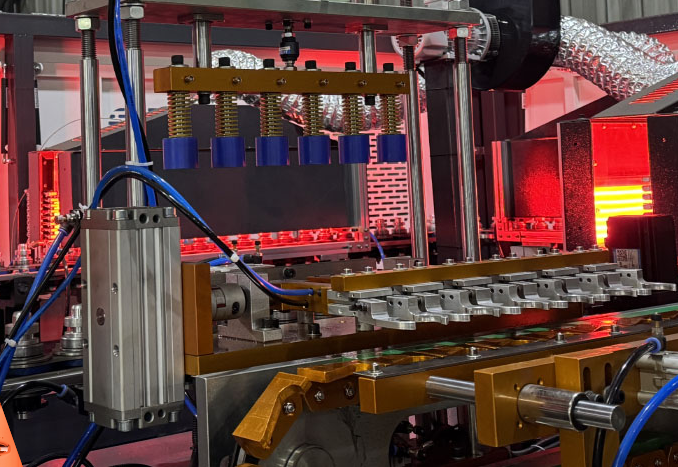
Getting Your Sidel Matrix Heating Back on Track
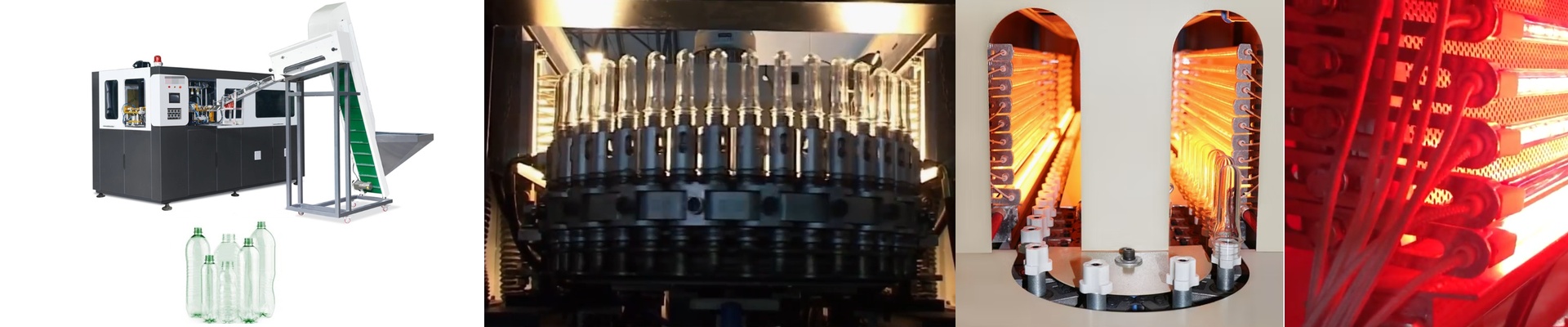
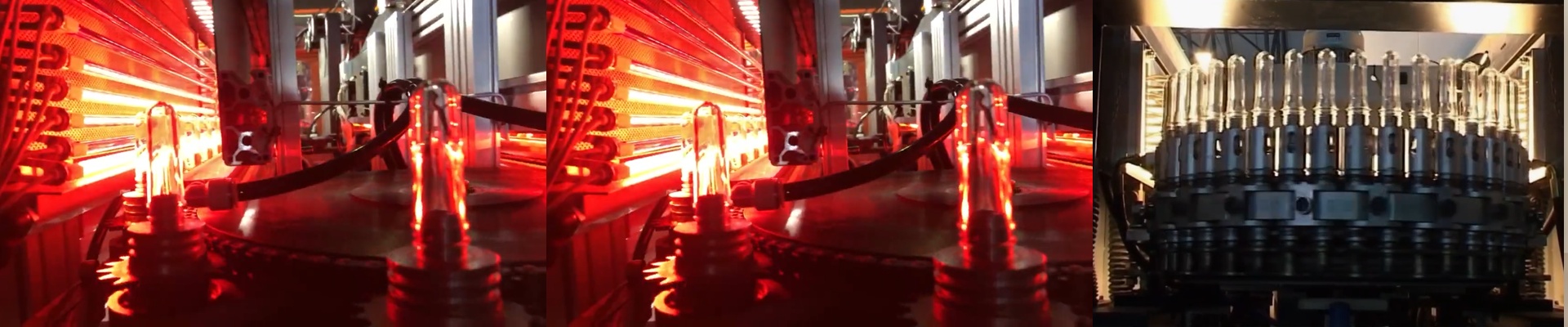
When you’re looking for a replacement lamp, “close enough” usually isn’t good enough. If the spectral output or the wattage density is off, you’re going to feel it in your production numbers. We built our infrared lamps for the Sidel Matrix to be true drop-in replacements. The goal is simple: make them act exactly like the original heating curve. Why the math actually matters Here is the thing about temperature rise—it has to be consistent. We mirror the original voltage and wattage specs because even a tiny slip in wattage per centimeter can mess things up. You end up with thin walls or that annoying pearlescence in the PET preform. To stop that from happening, we obsess over the filament geometry and the gas fill. It ensures the shortwave radiation hits the plastic with the same punch as the original part. No fighting with the hardware Nobody wants to spend their shift wrestling with wiring. We use high-purity quartz glass to handle the thermal shock, and the connectors fit the Sidel Matrix sockets perfectly. You just pop them in. We also pay a lot of attention to the contact resistance at the terminals. If that connection is loose or poor, heat builds up right at the socket. That’s a fast track to burning out a brand-new lamp way before its time. Real talk: The shop floor These lamps are designed to pump out high heat density to keep your cycle times fast. But a quick heads-up: if you’re pushing higher wattages, your oven’s ventilation has to keep up. If your cooling fans are clogged with dust or just dying, the ambient heat will kill any lamp you put in there, no matter who made it. We build these to take a beating in 24/7 production. You swap them out, wire them up, and your thermal profile stays flat. No messing around with recalibrating the oven zones. Just get back to work.