A Better Way to Handle Your Sidel SBO Series 2 Lamps
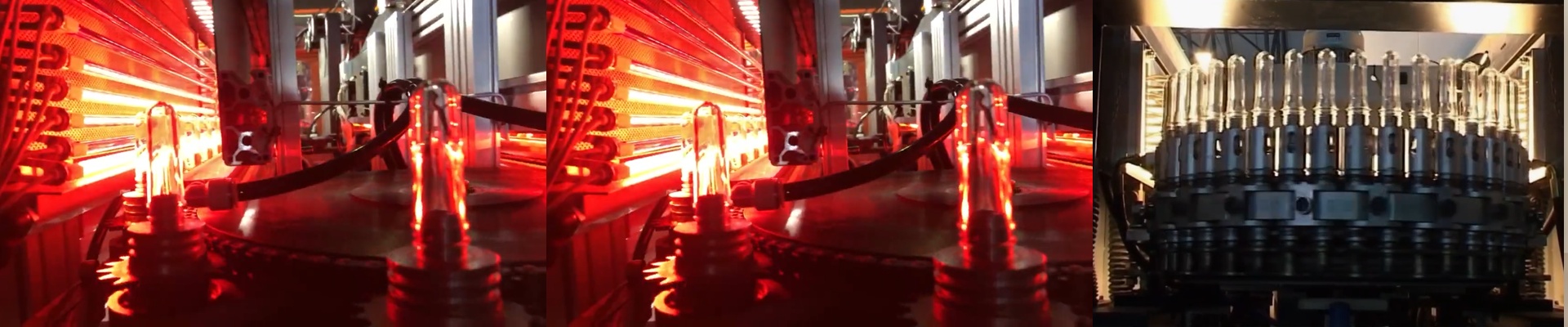
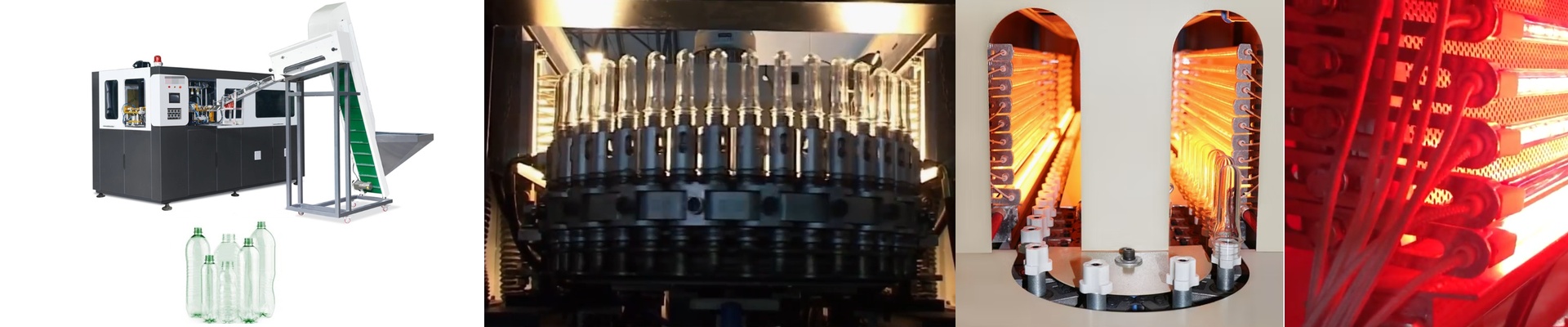
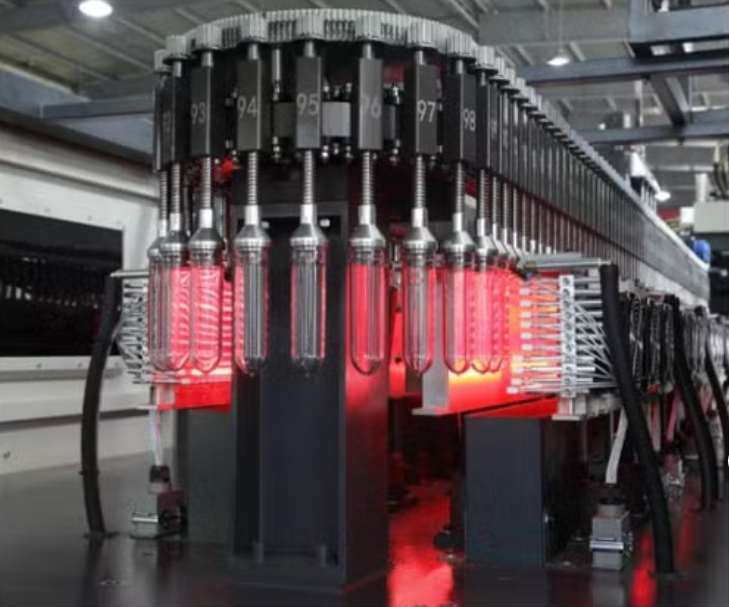
Let’s be honest: being locked into OEM parts is a headache. Most engineers I talk to are tired of paying a premium just because a brand puts their logo on a spec sheet. We figured there was a better way. So, we built an infrared lamp that actually fits. Not “almost” fits, but a true drop-in replacement for the Sidel SBO Series 2 and most other PET blowing lines out there. We matched the electrical and physical footprint to about 95% of the equipment on the market. It just works. Getting the heat right If you’re working with PET preforms, you know the struggle. Too little heat and you’re stuck; too much and you get crystallization. It’s a fine line. We use high-wattage short-wave halogen tech to hit that sweet spot. We balanced the voltage and wattage so the lamp reaches the right temperature in a few seconds. You get the exact IR wavelength the PET needs to absorb. One quick tip: if you’re running these at max power, double-check your cooling fans. If they’re clogged with dust, the housing overheats and your filaments will burn out way faster than they should. Built to last (and fit) Heat is brutal on materials. To stop the tubes from bowing when things get hot, we use heavy-wall quartz glass. On the connection side, we stick with standard R7s or SK15 connectors. We made sure the fit is tight. Why? Because a loose connection leads to arcing, and arcing is the fastest way to fry a socket. We also added a coating to the quartz. It pushes the heat forward into the preform instead of letting it bleed backward into the machine frame. It’s a simple change, but it stops you from wasting energy heating up your own equipment. No more waiting weeks for shipping The best part? You don’t have to rewire your controllers or mess around with the brackets. These lamps slide right into the existing SBO Series 2 rails. We keep these in stock because we know the pain of waiting weeks for an OEM shipment while a machine sits idle. You can just swap out a burnt-out tube during your next scheduled stop and get back to work. Once you’ve got them in, just do a quick check of your current draw to make sure the power match is spot on. Easy as that.