



Why we’re ditching old bathroom lamps for high-IP infrared heaters
Ever notice how those old halogen bathroom heaters always seem to burn out right when you need them most? It’s not a coincidence. Those things just aren’t built for steam. Water vapor sneaks into the housing, messes with the wiring, and—pop—your filament is gone. That’s why we’ve been moving toward high-standard waterproof infrared heaters. They actually survive the environment they’re meant for.
Why infrared just feels better
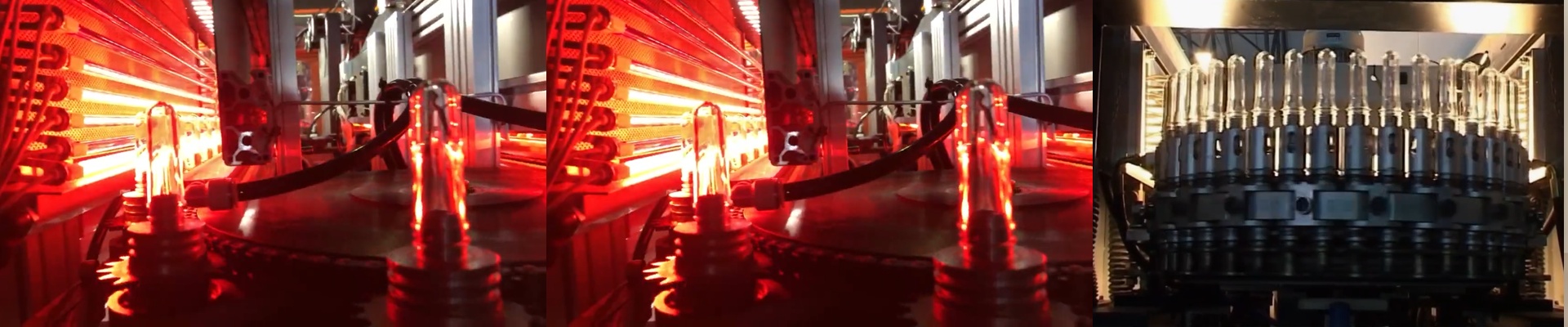
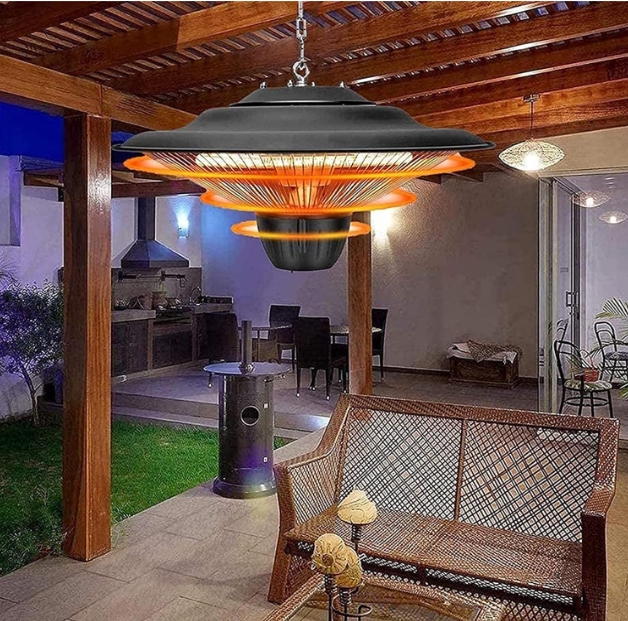
Here is the thing about traditional heaters: they try to warm up the air. But in a damp bathroom, that takes forever. You’re standing there shivering while the air slowly warms up. Infrared is different. It doesn’t bother with the air; it sends heat directly to your skin and the walls. You feel it the second you flip the switch. It’s instant. No waiting around, just immediate warmth.
The “Waterproof” part (and why it matters)
You’ll hear people talk about “IP ratings,” which is basically just a fancy way of saying “how much water can this thing take before it dies?” Most cheap heaters leak at the gaskets. We use silicone seals and tempered glass to keep the steam and splashes far away from the electrical bits. We even put special coatings on the heating elements so the humidity doesn’t eat away at the metal. But the real secret is in the wiring. If the seal where the cable enters the unit is sloppy, the whole thing will be dead in six months. We make sure that housing is airtight. If the inside stays dry, the heater stays alive.
A few things to watch out for
If you’re thinking about swapping your old setup for one of these, don’t just plug it in and pray. Infrared arrays pull a lot of power. If you’re working with an old house and outdated wiring, you might trip your breakers the moment you turn it on. It’s worth double-checking your circuit load first to make sure your electrical panel can handle the spike. The upside? They take up way less space than those clunky old radiators and they heat up in a heartbeat. As long as the voltage matches your home, they’re a pretty simple swap.