
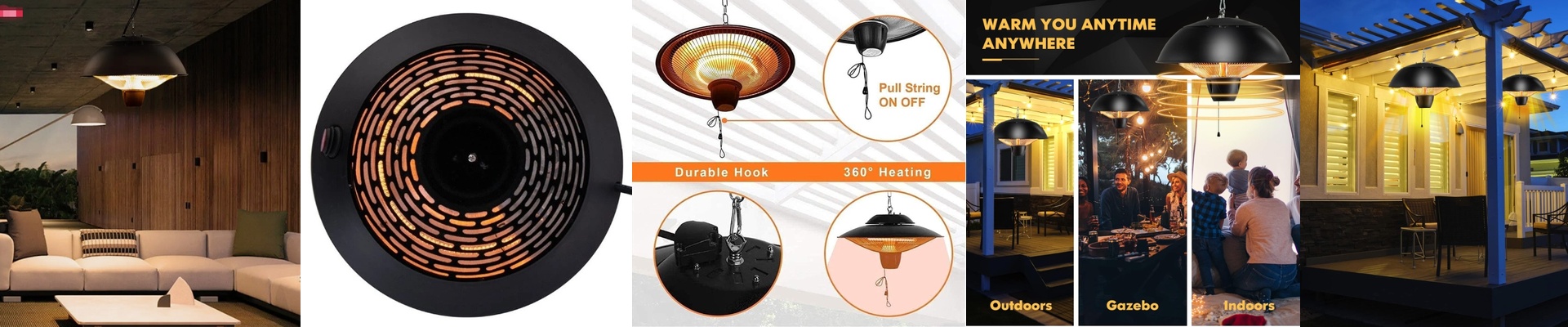
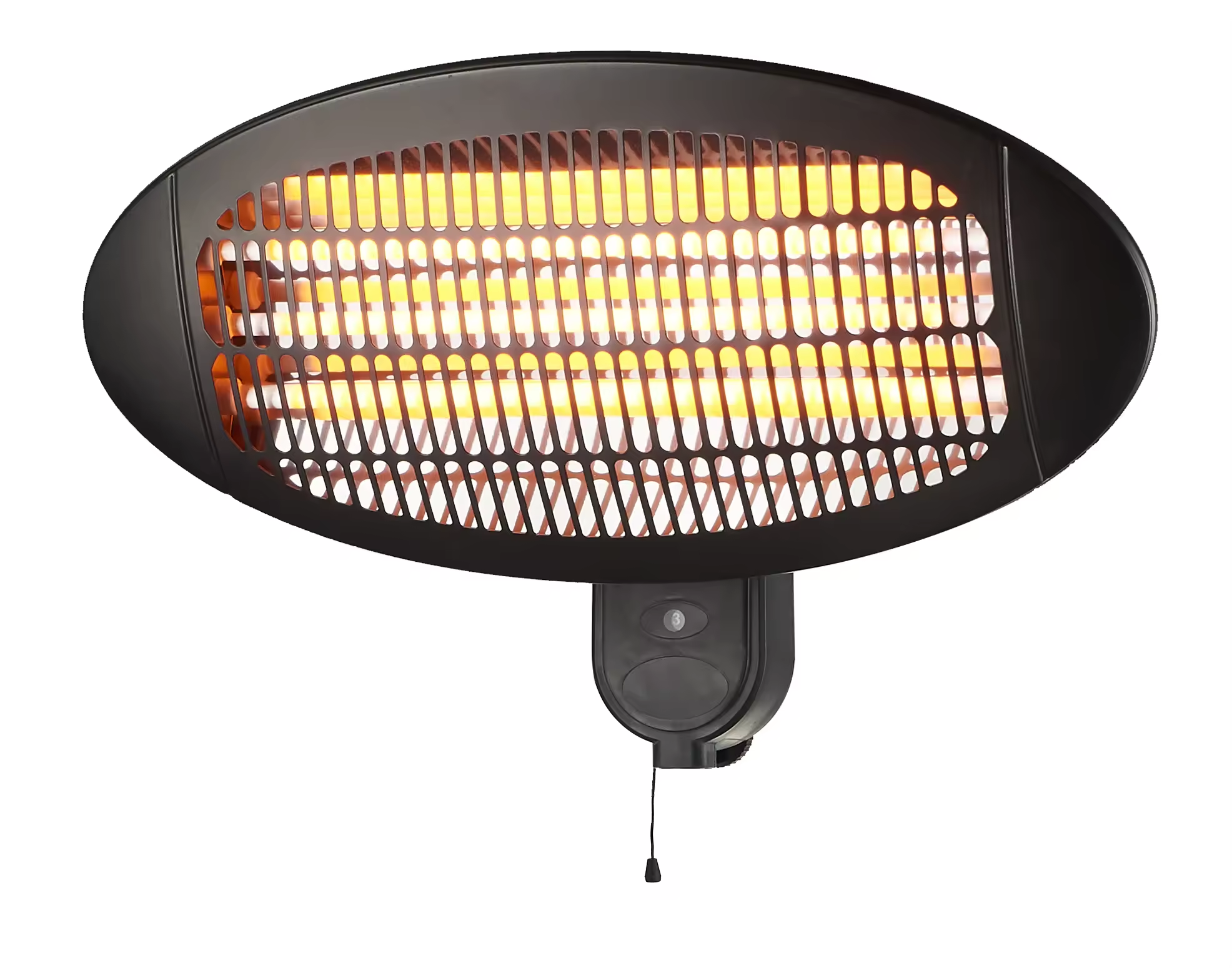
Smart home control is only as good as the heater it’s paired with. If the heater lags, overshoots, or fights the setpoint, you end up wasting energy and chasing comfort. Here’s the piece that fixes the mismatch: a low-heat-inertia infrared electric heater.
What actually matters under the hood
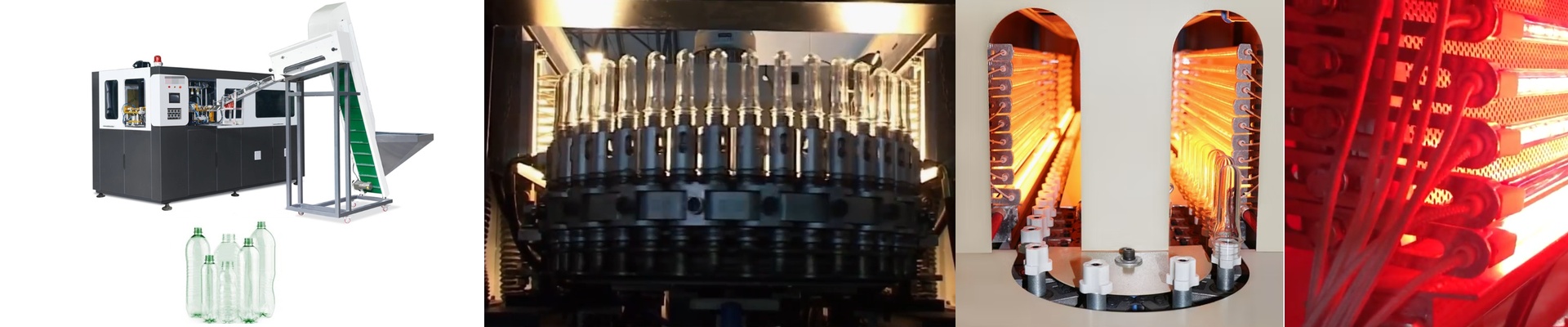
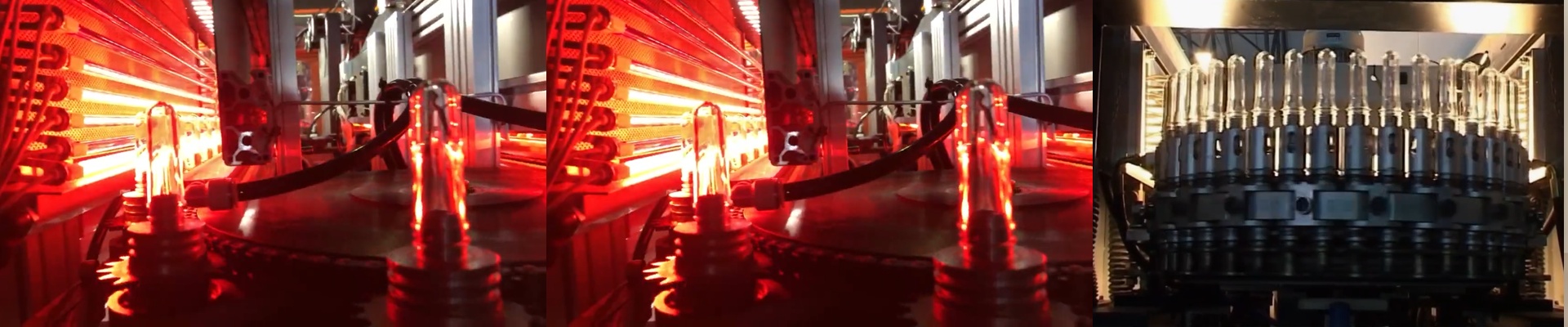
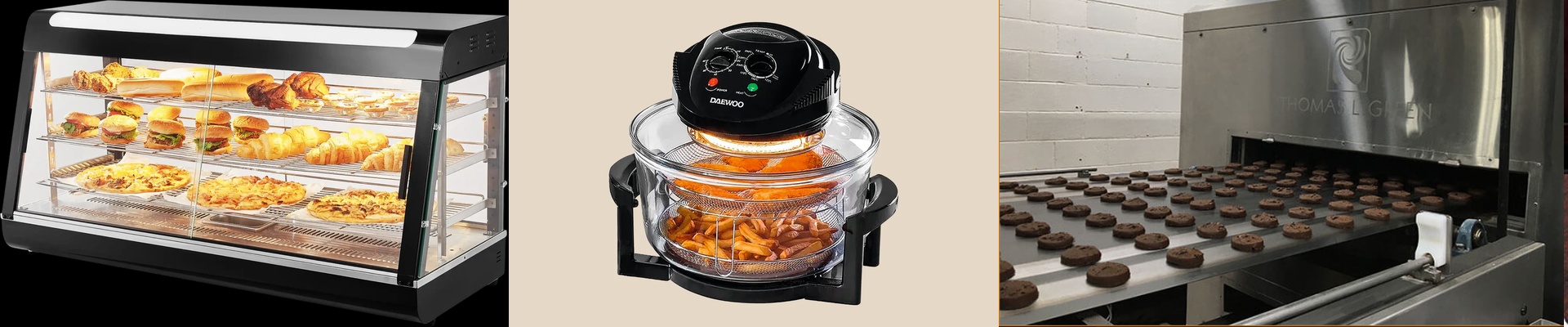
Infrared electric heaters turn most of their input into radiant warmth, hitting people and surfaces directly instead of pushing around air. The element makes the difference. A carbon fiber or quartz tube element has low heat inertia, so it comes up to temperature in seconds. That means fast, directional heat with minimal standby loss. Add a thermostat, and an outdoor-rated enclosure with the right IP rating where needed, and you get controllable comfort without the lag.
Why this pairs so well with smart systems
Smart setups live on quick, precise response. Low-heat-inertia elements deliver exactly that—instant on when the space needs heat, and a clean shutoff when the setpoint is hit. In practice, you spend less time at full power and less energy holding temperature between cycles. For a household, that’s lower bills, steadier comfort, and fewer drafts. For outdoor living, it’s patio heater performance that tracks the weather and your routine, not the other way around.
What to watch for on the install and in the field
Match heater capacity to the space, and mount it so the infrared warmth covers the seating area without glare. Most electric heaters need a dedicated circuit and should be plugged into a grounded outlet or wired per local code—check voltage and connector compatibility before you start. In damp outdoor spots, verify the IP rating and keep the heater protected from direct water spray. One trade-off to keep in mind: radiant heat feels immediate, but air temperature can climb more slowly in very large or drafty areas, so plan placement and ventilation accordingly.