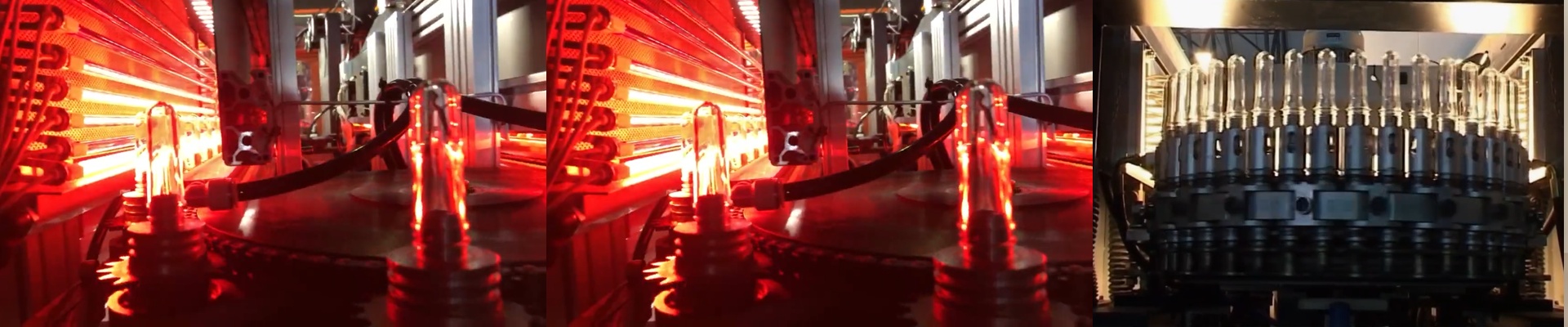

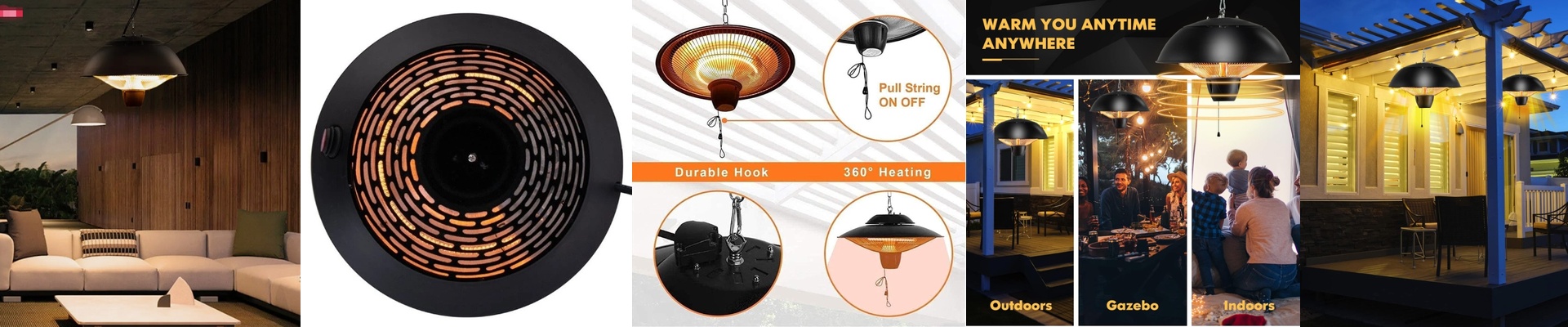

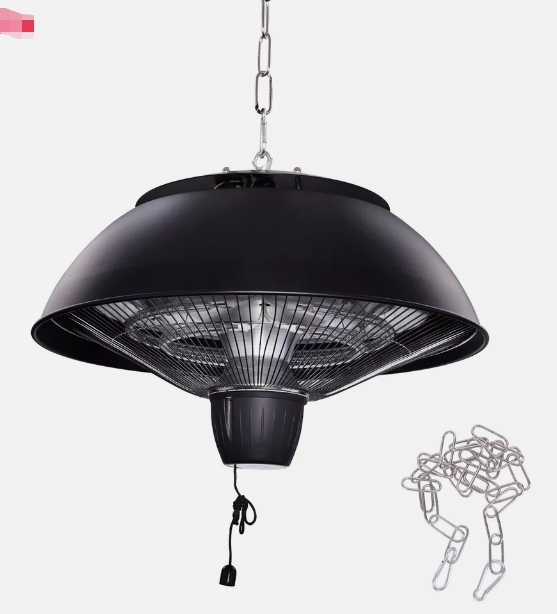
Out in a remote cabin or an off-grid shop, that familiar cough of a kerosene stove isn’t just background noise. It’s soot, it’s that heavy fuel smell, and it’s a constant drag on indoor air. You end up trading off: warmth or comfort. We built an electric infrared heater to stop making that a choice—radiant warmth that doesn’t burn fuel inside.
What matters, under the hood
Infrared warmth hits people and objects directly, instead of heating the air. This unit runs a carbon-fiber element inside a quartz envelope, so you get gentle, draft-free radiant heat. You feel it right away, and the temperature stays steady—no forced-air blasts followed by the room going cold. It runs on 120V and pulls 1500W, enough to cover about 150 square feet depending on insulation. A built-in thermostat keeps output consistent, and tip-over protection shuts the heater off if it gets knocked over. The motor and housing are built to stay quiet, so you can work, read, or sleep without it nagging at you.
Why this swap makes sense
Swap a kerosene stove for an electric infrared heater and the indoor air improves immediately. No combustion means you’re not dealing with particulate, carbon monoxide concerns, or that kerosene stink. Heat arrives fast, and because it warms surfaces, the air stays still—no fans kicking up dust. In remote spots, that translates to fewer ventilation headaches, less fuel storage hassle, and fewer cold-morning false starts. It also simplifies the routine: no wicks to trim, no fuel to haul, and no soot to scrub off.
The practical details
This is an electric heater, so it needs a dedicated 120V outlet on a properly rated circuit. For the best feel, place it so the infrared beam hits your main seating or work area, and keep it at least three feet from combustibles. It’s designed for indoor use. It’s quiet, but the emitter still gets hot—treat it like any heater and keep kids and pets at a safe distance.