
A decade in the making, just for them.
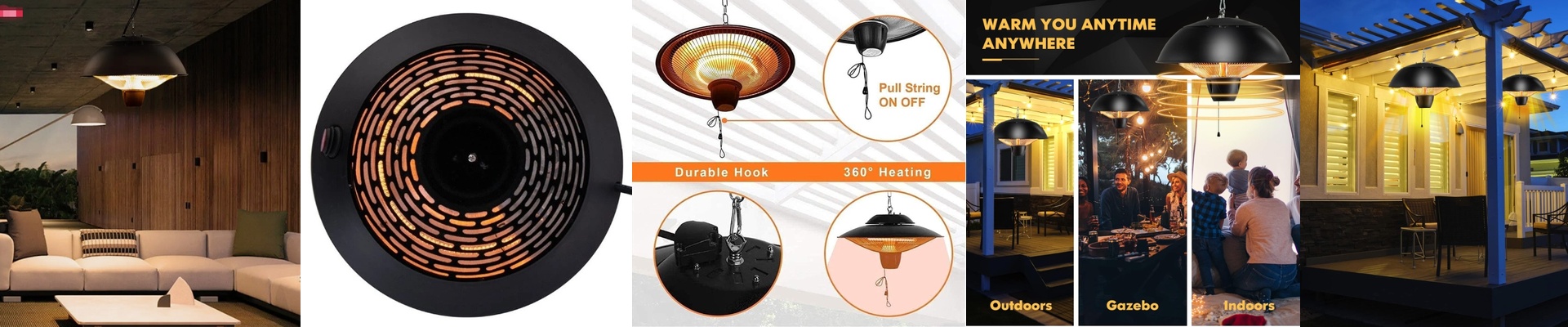
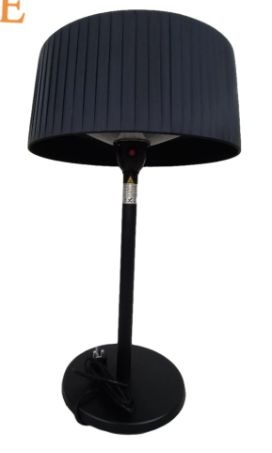
We spent ten years moving from behind-the-scenes manufacturing to building something ourselves. And the whole point? A simple, stubborn promise: create an infrared heater that keeps pets warm, safely, and consistently. This isn’t just another heat source. It’s designed to live in a pet’s space—mounted and steady—using infrared to warm animals and their bedding directly, instead of fighting with the air around them.
The nuts and bolts, without the fuss.
Here’s the thing about power: it needs to play nice with real-world setups. So we built this heater to run on 220V–240V. That keeps the current sensible for standard circuits, while still delivering the warmth a pet enclosure actually needs. We kept the body compact, too. It slips into tight housing without feeling crowded. The quartz tube is sized for balance—broad enough to spread warmth, solid enough to hold its own. But that length comes with a practical note: you’ve got to plan mounting and clearance so nothing bumps or touches the tube while it’s on.
What it’s made of—and why it matters.
Inside, you’ll find a halogen-filled quartz tube. It handles high heat without blinking, and responds quickly when the temperature changes. The halogen cycle helps keep output steady over time, so the filament doesn’t wear out too soon. And because pets don’t read warning labels, the tube has a protective coating that lowers surface temperature. Less risk of accidental burns. More peace of mind. The connector is an R7s base—an industrial choice for a very human reason. It carries high current safely, locks in place, and makes replacement simple when it’s time for maintenance. In a pet-safe design, a rock-solid electrical connection isn’t optional. Loose contacts create heat and raise the chance of failure. We didn’t cut corners there.
Where it shines—and what to keep in mind.
This heater was born for long stretches of duty: pet housing, kennels, veterinary spaces. Infrared warms pets and bedding directly, so the air doesn’t get uncomfortably dry, and the temperature stays more even than with convection heating. For engineers, it’s a straightforward drop-in solution—predictable heat, wiring that makes sense. But there’s a trade-off you should know up front: it produces concentrated heat. That means the enclosure needs proper ventilation, exactly as specified. Without it, heat builds up, and the components won’t last as long. We built this to meet quality standards across the board because, honestly, reliability is the only thing that matters when an animal’s comfort is on the line.