On a cold workshop floor, the chill doesn’t just slow you down—it tightens hands, stiffens joints, and makes every measurement less sure. When the heater cycles off, the temperature drops fast, and you’re either waiting it out or reaching for extra layers. We built this infrared fan heater to break that cycle. It heats quickly, yes, but more importantly, it leaves warmth behind after it stops.
What matters under the hood
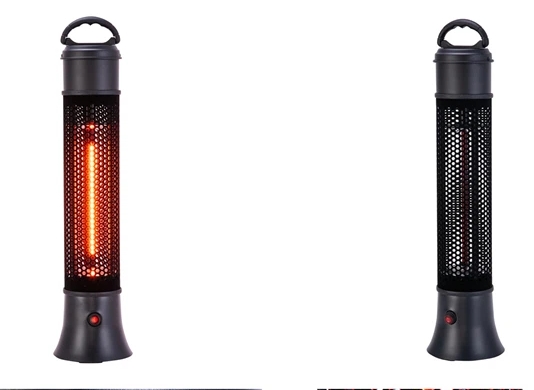
The unit delivers infrared warmth through a high-output element that throws heat straight onto people, tools, and work surfaces. You feel it almost immediately—no waiting around for the air to warm up. The built-in fan helps spread the warmth more evenly, while the radiant portion keeps objects warm longer. When you power down, those heated surfaces keep giving off heat, so the area holds comfort longer than forced-air alone. The specs are chosen for real workshop use: enough power for a fast response, housing built to handle dust, and controls that keep operation straightforward.
Why it fits the workshop
In a shop, comfort is productivity. With infrared warmth, the heat lands where you need it—at the bench, near the machine, right by the workpiece—so you can keep working without shivering breaks. And because those surfaces hold heat, you don’t feel the sudden plunge when the heater cycles off. That steady feel can sharpen focus, cut down on mistakes, and make the workday feel less draining. Plus, because the heat is directed, you don’t have to overheat the whole space just to stay comfortable.
Practical setup and placement
For the best results, aim the heater so it hits the work area, and keep the airflow path clear. Infrared heating works best when it has a direct line of sight to the people and objects you want to warm. The retention benefit depends on how much mass is in the beam. Plan for a dedicated outlet and a stable mount—this isn’t a plug-and-go space heater for every setting.Position it deliberately, and it will perform like it’s supposed to.