Stop the Cracking: Getting Brake Pad Curing Right
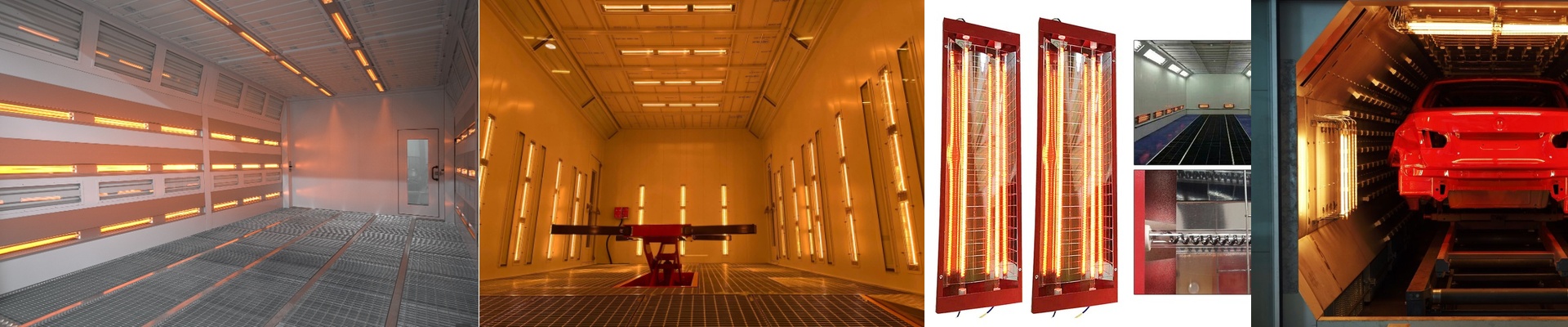
Curing brake pads is a bit of a balancing act. You need a precise heat ramp, but it’s easier said than done. Here’s the problem: if the surface of the pad cures too fast while the core is still cold, you’re asking for trouble. You get internal stress, which leads to those nasty thermal cracks and tiny pores. Once that happens, the structural integrity of your friction material is basically gone. We handle this by using shortwave infrared (IR) emitters. It gives us much tighter control over the temperature zones.
Why IR Beats the Old Way
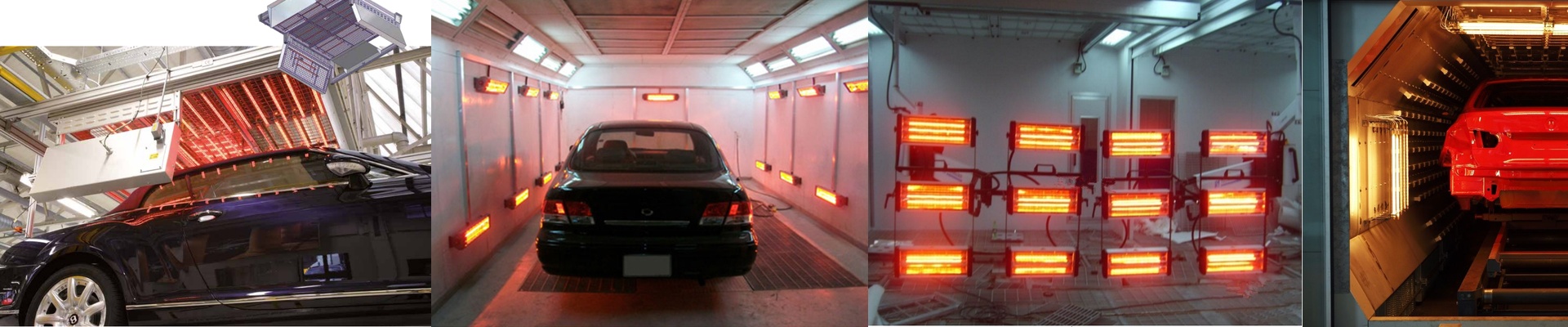
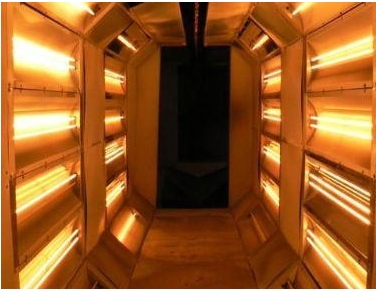
Standard convection ovens just heat the air. It’s slow. It’s clunky. Shortwave IR is different because it hits the material directly. By tweaking the wattage and how we space the IR tubes, we can control the heat flux exactly how we want it. You need a high-density heat source to get those resins bonding chemically, but you can’t overshoot it. If your lamps are too powerful for your conveyor speed, you’ll scorch the surface. That traps gases inside and creates those pores we’re trying to avoid.
The Gear and the Give-and-Take
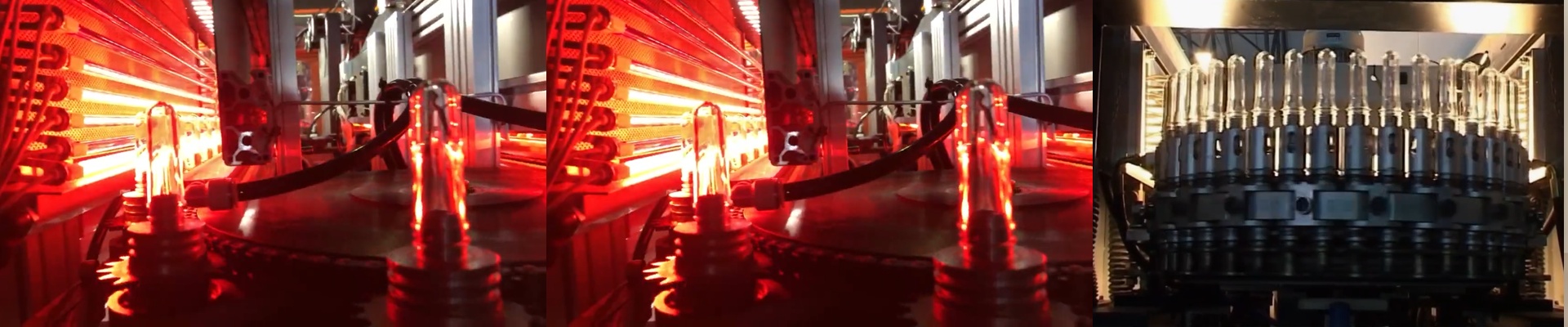
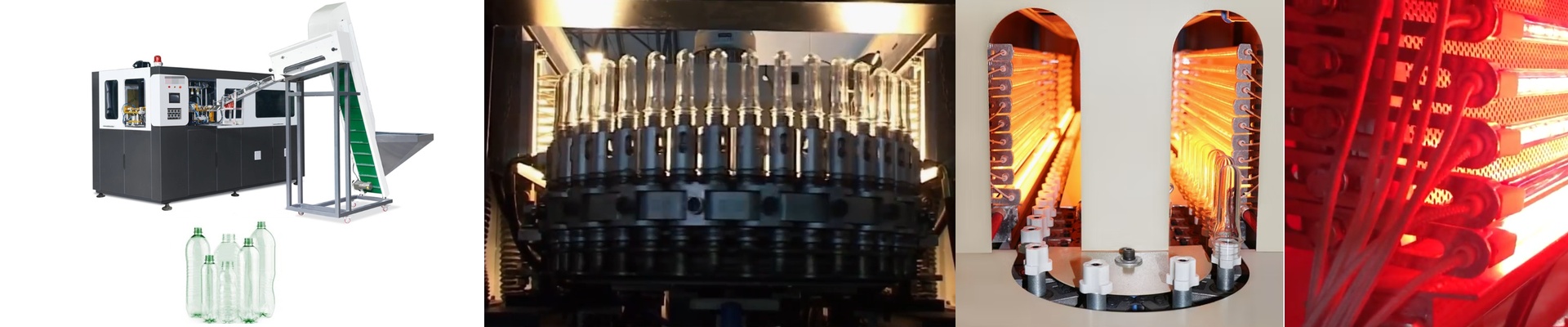
We usually go with quartz halogen tubes. Quartz is great because it doesn’t warp under extreme heat, and the halogen cycle keeps the lamps from burning out too quickly. Just make sure your voltage matches your plant’s grid—usually 230V or 400V. Now, high-wattage tubes are great for fast cycle times. They’ve got the punch. But there’s a catch. That kind of heat density puts a lot of stress on your reflectors. If they get pitted or dirty, you lose efficiency and start seeing “hot spots” on your pads.**Keep those reflectors polished.**It’s the only way to make sure the heat spreads evenly across the whole surface.
Keeping it Running
To get this working with your control loop, you’ll need thermocouples that respond fast. IR reacts almost instantly, so your PID controllers need to be tuned for a very short lag time. Maintenance is pretty straightforward. When a tube finally gives out, it’s a simple drop-in replacement. Just double-check that the connectors are seated tight—nobody wants arcing at the terminals. When your IR zones are dialed in, the cracking stops. The strength stays exactly where it needs to be.