
Keeping Your Brake Pad Curing Steady
When your production line is humming along 24/7, the last thing you need is a surprise. If your infrared output dips even a little, you end up with uneven curing. That means scrap piles, failed quality checks, and a lot of wasted time. We built our infrared modules to stop those power swings cold.
The Headache of “Power Drift”
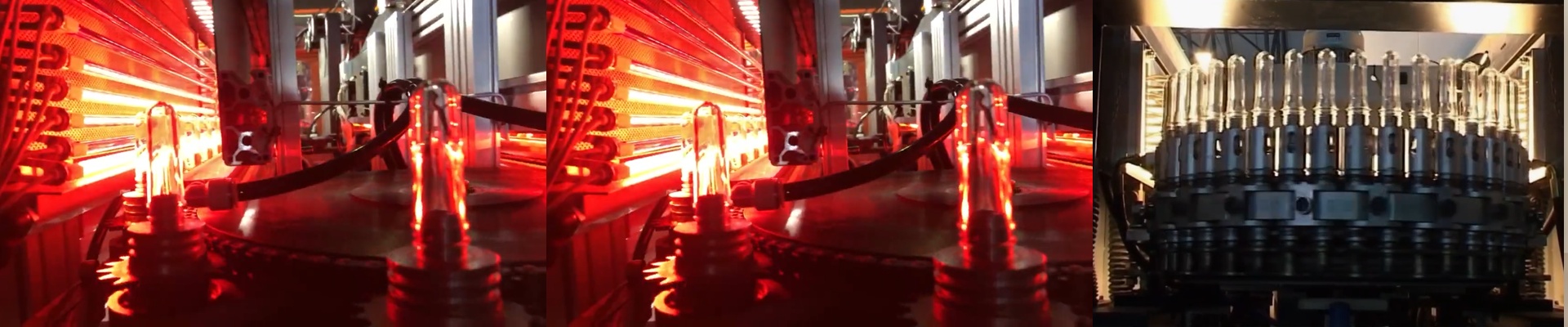
Here’s the thing: most standard lamps start to drift as they get old or run too hot. It’s a pain. To get that steady, zero-fluctuation performance, we obsess over the thermal equilibrium of the quartz envelope. We match the wattage to the tube length perfectly. Why? Because hotspots kill filaments. By avoiding them, and using high-purity quartz that doesn’t warp under pressure, we make sure the energy hitting your conveyor is the same from one end to the other.
The Nitty-Gritty on Design
We stick with shortwave infrared. It’s just better for this job. Instead of just scorching the surface of the brake pad, shortwave radiation actually sinks deep into the material. It cures from the inside out. But the magic isn’t just in the lamp. We use industrial-grade connectors because oxidation is a silent killer. When your terminals oxidize, you get voltage drops. Most people call this “power fluctuation,” but it’s really just a bad connection. One heads-up: if you’re running a high-wattage setup, make sure your control cabinet has a heavy-duty heat sink. If your airflow isn’t right, that heat density will bake your relays alive.
Getting it onto the Floor
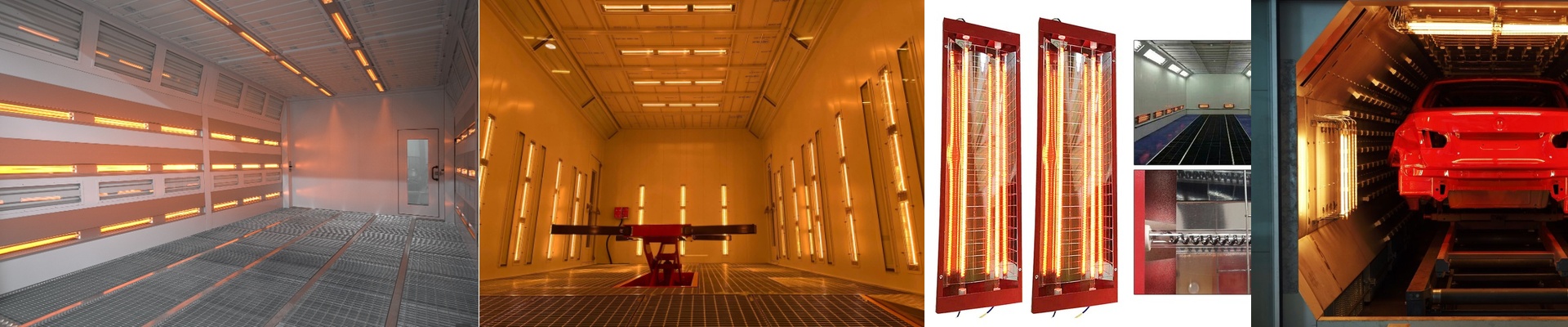
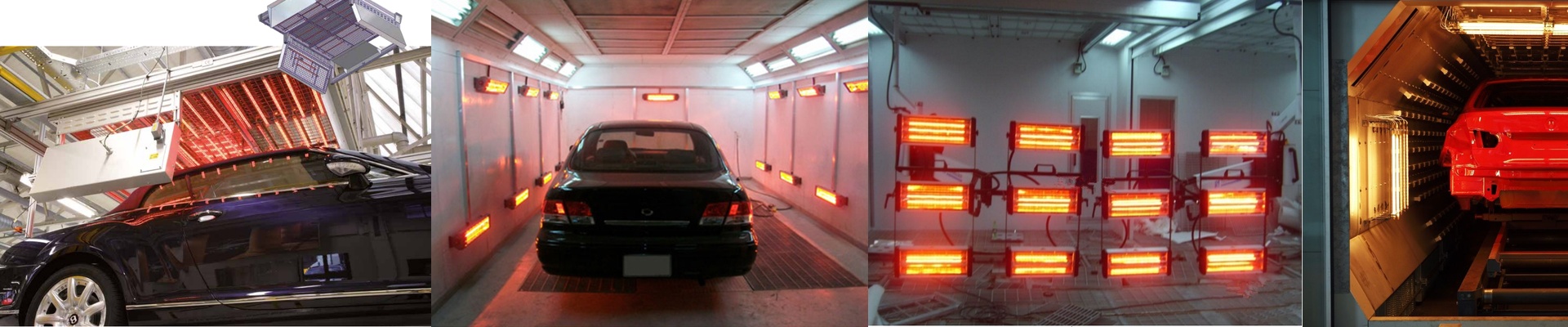
You don’t need to tear down your frame or rebuild your tunnel to make this work. These modules are basically drop-in replacements. We spent a lot of time on the reflector geometry. We want the heat hitting the material, not floating around the room. This keeps your shop floor cooler and your cure cycle consistent. It’s a relief, honestly. You can trust that the parts coming off the line at hour 24 look and feel exactly like the ones from hour one.