Stop the Warp: Dealing with Spring-back in Auto Interiors
Ever pull a part out of the mold and watch it practically jump back into its old shape? It’s frustrating. You’ve done the work, but because those internal stresses didn’t get sorted out during heating, the part warps. We’ve found a way to kill that problem using zoned infrared (IR) heating lamps. Instead of just blasting the whole thing with heat, you target specific spots. It basically locks the dimensions in place so the part stays put once it leaves the mold.
Why “One Size Fits All” Heating Fails
Most people use standard heating blankets. They put out heat evenly, which sounds like a good idea until you’re dealing with a complex interior piece. Here’s the thing: a thick rib or a heavy boss needs way more energy than a thin wall. If you treat them the same, you’re asking for trouble. By splitting the IR lamps into different zones, you can pump heat exactly where it’s needed. This lets the polymer chains relax properly. When the part finally cools down, there’s no leftover stress fighting to pull the plastic apart. You just get a part that actually fits the spec.
The Gear (and the Gotchas)
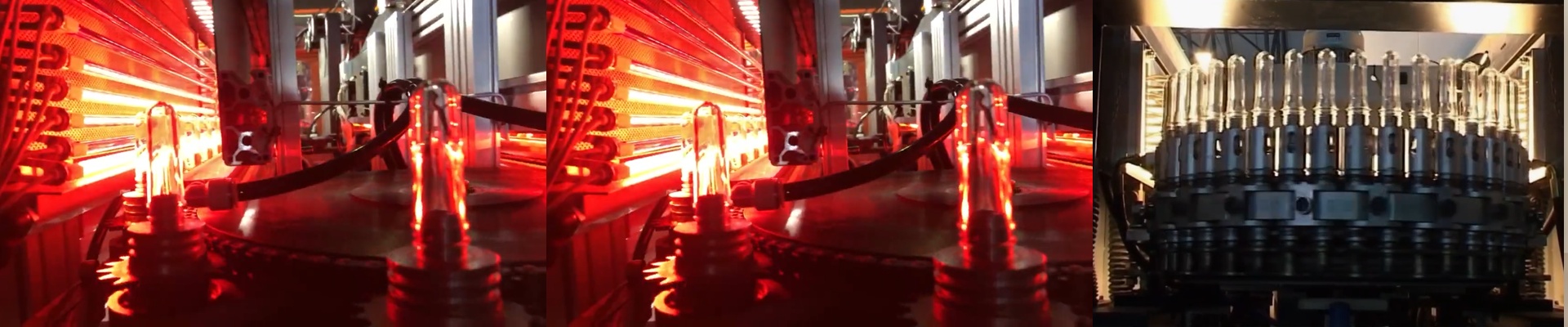
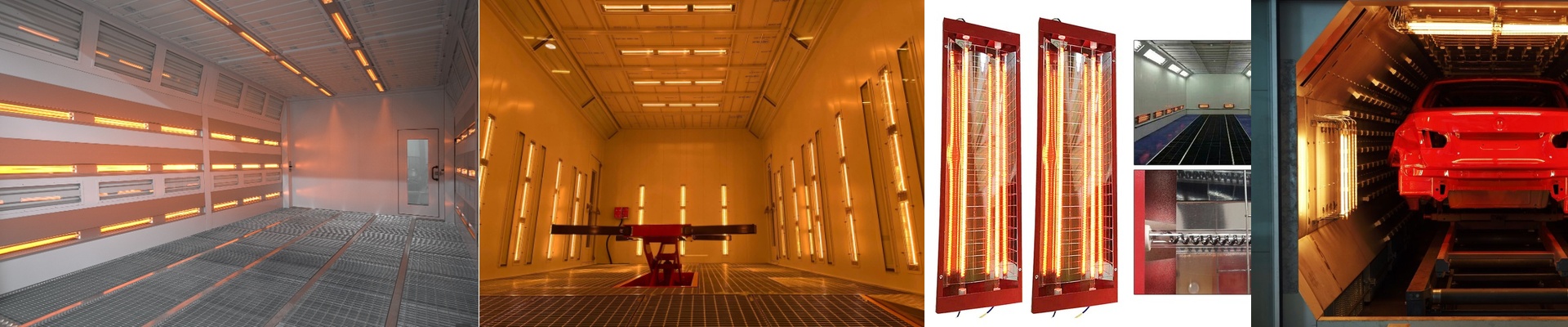
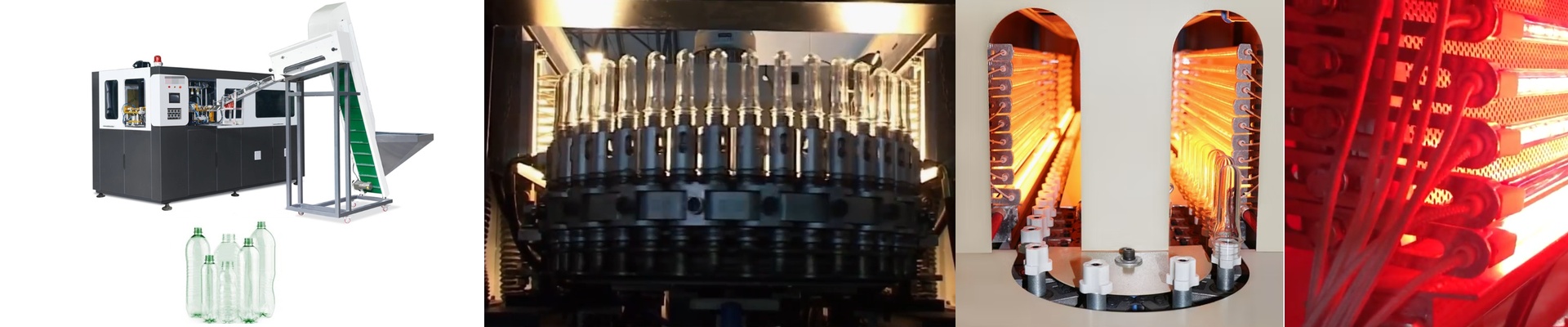
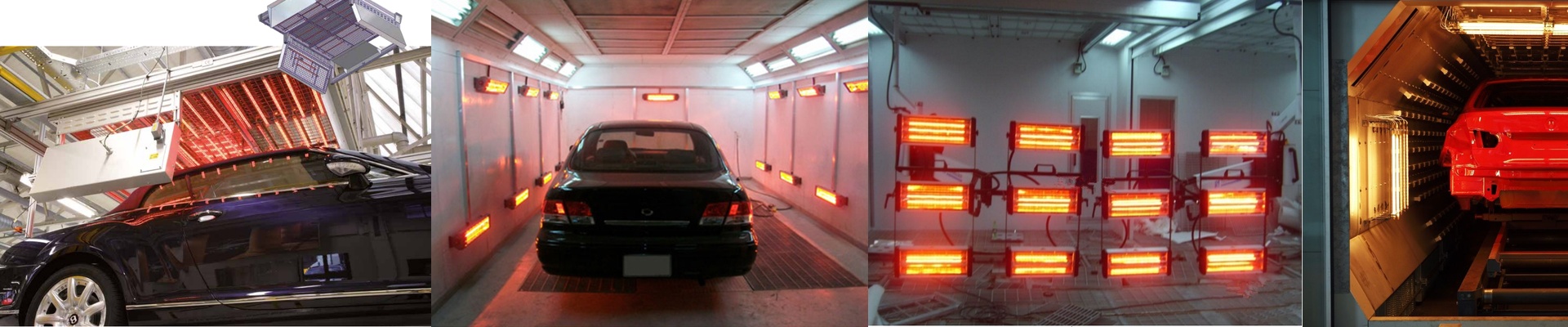
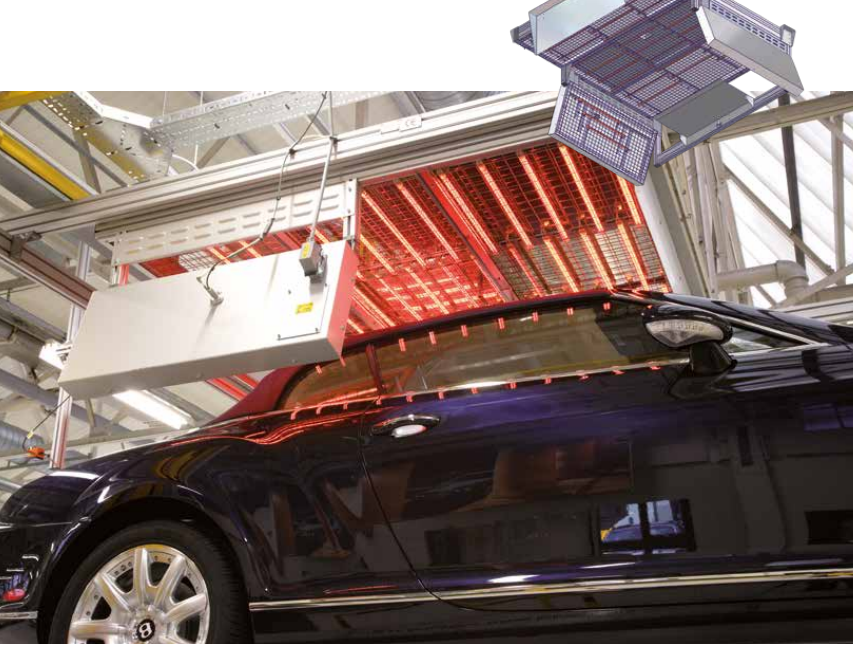
We go with short-wave quartz lamps. They’re great because they punch through the plastic deeper and faster than long-wave options. Plus, they ramp up quickly, so you aren’t standing around waiting for the machine to warm up. But a word of caution on the wiring. You need independent PID loops for these. If you get lazy and group too many lamps on one circuit, you lose that “surgical” control over your heat map. And keep an eye on your frame. These IR arrays gethot. Like, really hot. If you don’t put a solid cooling system on those lamp housings, your machine frame is going to take a beating.
The Payoff
When you get this right, the “memory effect” of the plastic just disappears. The material stops fighting you and just accepts its new shape. It makes life on the shop floor a whole lot easier. You aren’t spending half your day on secondary trimming or trying to manually coax a part back into alignment. Less scrap, tighter tolerances, and a lot less stress for everyone involved.