
Introduction
We built this clothes dryer heater around a heavy-hitting infrared tube. Its whole job? To blast concentrated heat right onto the load, instead of just warming the air around it. That’s how you cut drying time and keep energy use in check. If you’re an engineer putting together export-ready equipment, you’re looking at a proven, compact heating method that gets the job done.
The Tech, Straight Up
Let’s talk specs—these are what make the whole thing work and fit. We match the voltage to what your plant runs on, with common choices like 230V and 400V. Wattage is tied to drying capacity, usually sitting between 2000W and 2500W. The tube length is cut to match the dryer chamber, often around 300mm, so you get serious heat density right where you need it. Go with a 400V, 2500W setup, and you get a lot of punch per inch. That means you can build a smaller dryer without sacrificing throughput. But here’s the catch: more heat density means the parts nearby need to be ready for the heat. Make sure your machine’s cooling and airflow are up to the task.
What It’s Made Of
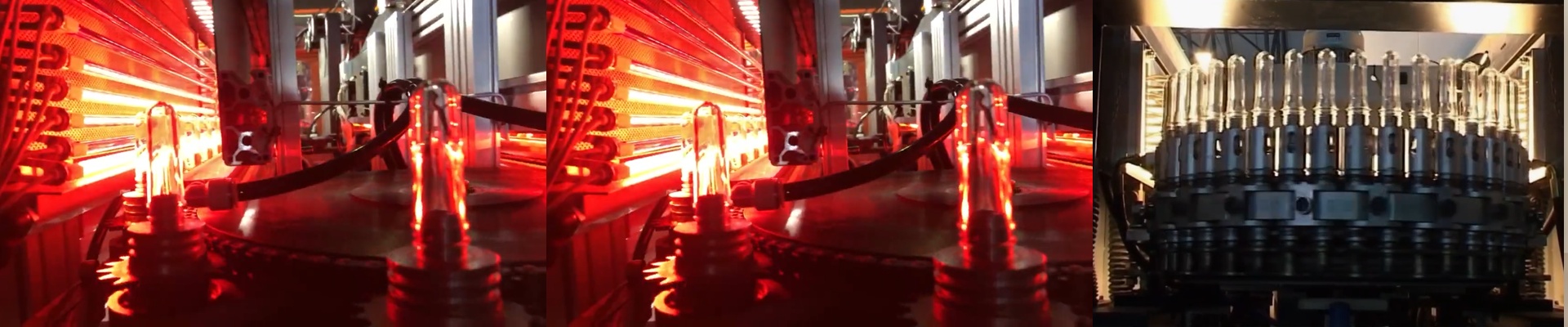
The tube itself is quartz, and there’s a good reason. It handles sudden temperature swings without cracking, and it lets infrared energy pass through cleanly. Inside, a halogen fill keeps the heat output steady and consistent over the life of the lamp. And the filament? It’s designed to heat up fast, so the dryer hits its setpoint almost instantly. We use an R7s connector because it’s simple, secure, and handles the current without extra brackets. That makes the tube a drop-in replacement in standard fixtures. The quartz envelope also has a coating that focuses the infrared energy and shields the element. It’s tough enough to take the bumps of a busy shop floor.
How It Feels in Real Life
Inside a clothes dryer, this infrared heater shines because it heats the fabric directly. It drives heat deep into the fibers, not just into the air. The payoff? Shorter cycles and lower energy use per load. And because the tube is compact, you get more freedom in how you lay out the drum and plan for service access. Installation is straightforward. Wire it through the R7s base, line up the tube, and you’re good to go. Maintenance is just as easy—swap the tube without tearing apart the whole heating assembly. For export models, that reliability means fewer field failures and lower service costs. If you’re building or upgrading dryers, this tube gives you predictable output, a clean fit, and a long service life. Just keep this in mind: more wattage packed into a shorter length means you need solid thermal management in the machine.