




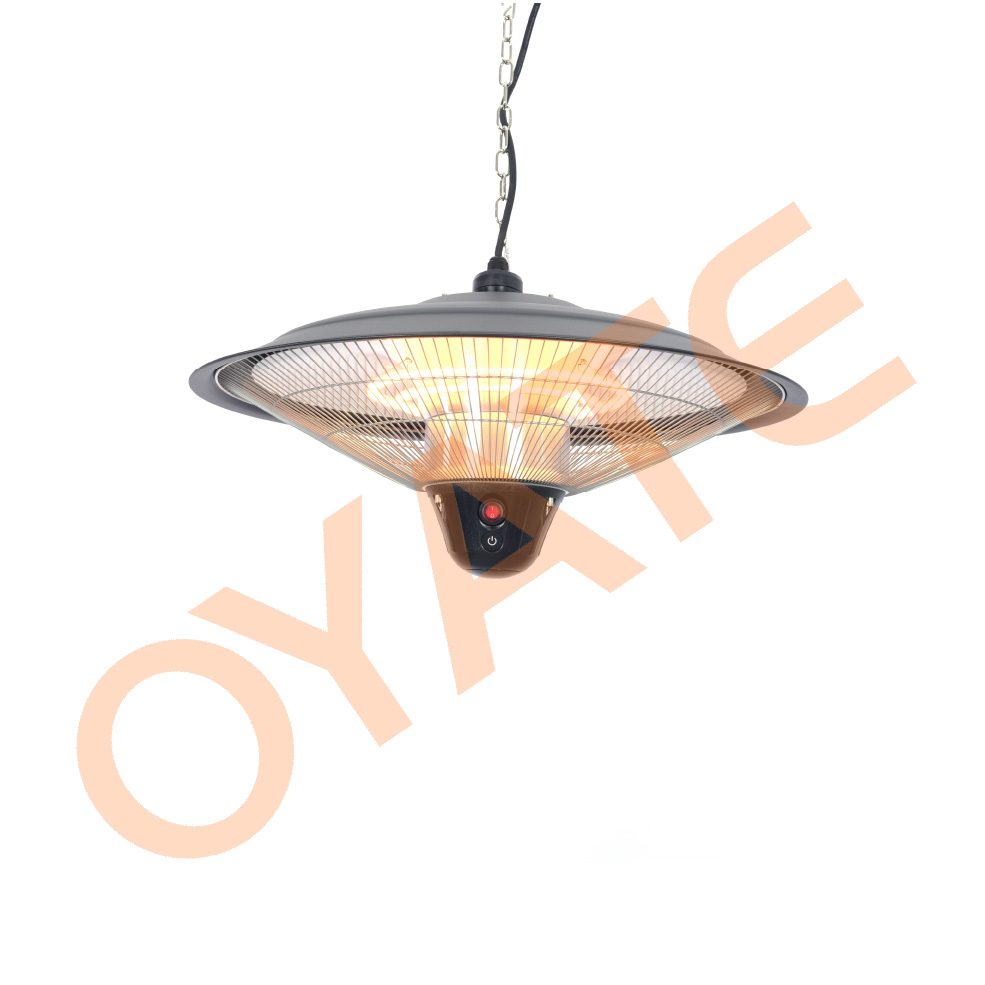
That afternoon chill under your desk isn’t just uncomfortable—it kills focus and tightens up your shoulders. When your knees and wrists start to stiffen, the workday drags. An infrared under-desk heater changes that. It delivers the kind of warmth that feels like standing in a patch of sun, even while the room air stays cool.
What’s actually happening under the hood
These heaters run on radiant heat, the same way the sun warms your skin. Inside, you’ll usually find a quartz tube or a carbon fiber element. It throws off short- and medium-wave infrared that travels straight to people and objects, not the air. You feel the heat almost immediately—no waiting around for a fan or blower to get moving. Most models plug into a standard 120V outlet, pull 300–1500W, and sit low enough to fit under a desk without crowding your feet. Many come with a built-in thermostat, two heat settings, and the basics: tip-over protection and a cool-touch housing.
Why this approach works at a desk
Because it’s radiant, the warmth hits you first—not the ceiling or the draft rolling across your ankles. That direct delivery helps loosen tight joints and ease muscle stiffness, which makes long stretches at the desk feel a lot less draining. The sun-like feel supports circulation and takes the edge off the fatigue that settles in after hours of sitting. And since the heat is localized, you can keep the room thermostat lower and still feel cozy. In practice, that often means more consistent energy use during the day.
What you need to get right
Infrared is directional, so aim the unit at your torso and legs, not the whole room. It works best within about 3 feet. If your workspace is large, a second unit is a smart move. If quiet is the priority, skip fan-forced heaters unless you actually want air movement—infrared runs silent. And always plug into a grounded outlet. Avoid extension cords; they’re a common way to invite overheating.