



Walk into a hotel room after a long day, and all you want is heat—quick, clean, and quiet. Forced-air systems kick up drafts, hum, and energy costs, while fan-driven space heaters stir dust and dry the air. Radiant warmth is the smarter way, and when you build it with the full lifecycle in mind, it changes how a room actually feels.
What matters under the hood
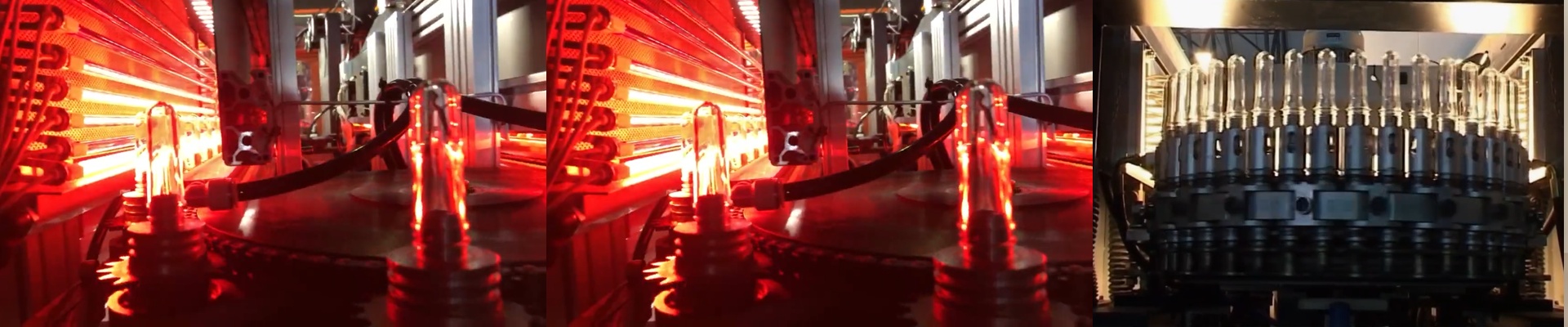
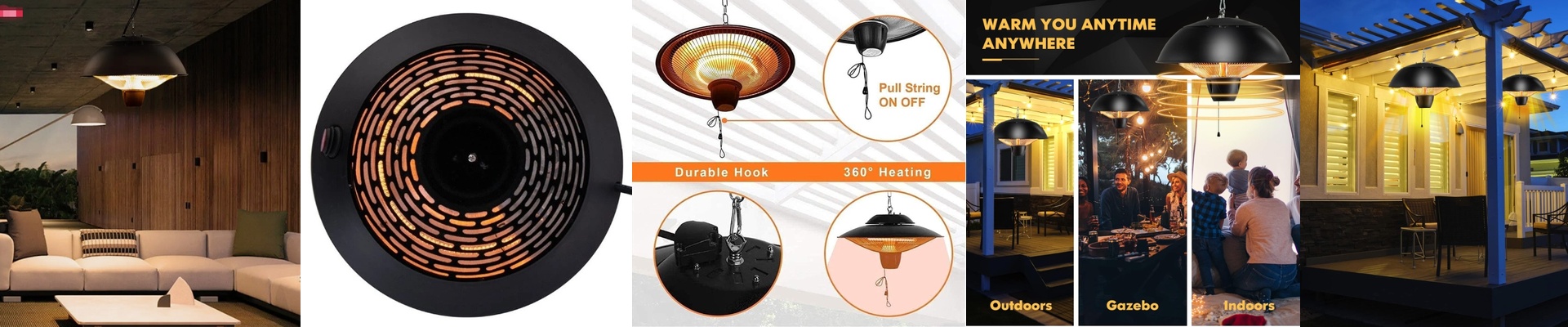
We build our hotel room infrared heaters around a high-efficiency carbon fiber element, paired with a quartz tube that delivers immediate radiant heat—no fan required. The payoff is near-instant comfort, zero noise, and hardly any air movement. Units typically run on 120V or 220V, depending on the property, draw 800W to 1500W, and are cut to fit tight spots—often under 12 inches long. A built-in adjustable thermostat keeps the room steady, and you get tip-over protection plus overheat protection for peace of mind. For rooms with access to fresh air, some models carry an IP rating suitable for protected outdoor or balcony use, and a standard plug keeps installation straightforward.
Why this fits hotel work
In hotels, comfort has to be reliable, repeatable, and responsible. Radiant infrared heat warms people and objects directly, so guests feel cozy faster, and the ambient temperature holds more steadily. That means fewer temperature swings, fewer draft complaints, and less strain on the room’s electrical load during peak hours. We design the manufacturing to cut waste and emissions—starting with responsible material sourcing, moving through efficient assembly, and finishing with recyclable packaging. For guests, the result is warmth that feels natural, with a smaller footprint happening quietly behind the scenes.
The practical details
Infrared heat delivers comfort quickly, but it warms surfaces and people first, so the air may not feel as warm as with a fan-forced heater. Position the unit so the radiant beam reaches the main seating area, and dial in the thermostat to match the preference. In rooms with limited wall space, keep the heater clear of bedding and curtains, and verify the local electrical code for the correct circuit. On balconies, confirm the specific IP rating matches the exposure to wind and moisture.